African policymakers have warned that a sharp rise in oil prices linked to the conflict in Iran could complicate monetary policy and threaten the continent’s fragile economic recovery…reports Asian Lite news
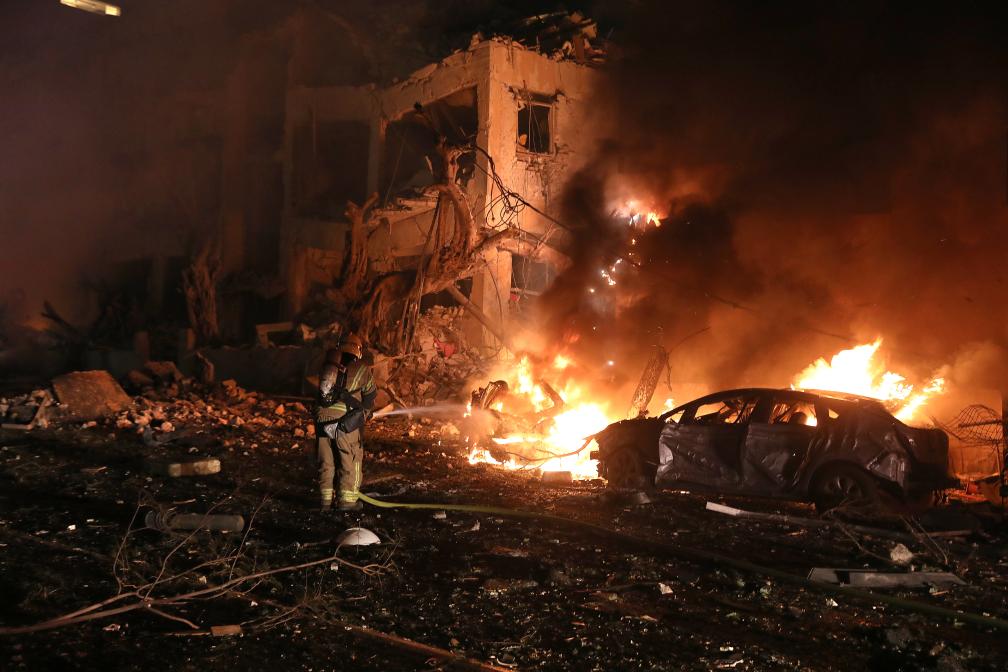
African policymakers have warned that surging oil prices linked to the conflict in Iran could complicate monetary policy decisions across the continent and threaten a fragile economic recovery, with key sectors such as mining potentially facing productivity pressures.
Central banks from Accra to Luanda had been easing lending rates in recent months as inflation eased and foreign exchange markets stabilised, part of broader efforts to support economic growth. However, the renewed volatility in global energy markets has introduced new uncertainty into the outlook.
“Periods of heightened uncertainty have become a defining feature of the global economic landscape, challenging central banks worldwide in unprecedented ways,” Uganda’s central bank said.
The bank, which had already taken a cautious approach to monetary policy before the conflict escalated, said it would reassess its tools and processes to ensure they remain effective in the current environment.
In Angola, the central bank opted to hold interest rates steady on Thursday following three consecutive cuts, with Governor Manuel Tiago Dias pointing to rising risks. “These risks stem mainly from a possible prolongation of the war currently being waged in the Middle East, which could affect distribution chains, particularly agricultural inputs and fertiliser,” he said.
Analysts say other major African central banks may also need to reconsider their policy stance. Countries including Ghana, Nigeria, Zambia, and Kenya were expected to continue easing monetary policy, but the oil price shock could force a pause.
“Central bankers are going to have to look at potential pass-through,” said Razia Khan, chief economist for the Middle East and Africa at Standard Chartered, referring to the second-round effects of higher oil prices on inflation and other economic indicators. JPMorgan also revised its outlook, scaling back expectations for rate cuts in Nigeria, Kenya, Ghana and Zambia due to the crisis.
“With the exception of Angola, we have reduced the quantum of rate cuts initially pencilled,” the bank said in a research note. Oil markets have been volatile since the conflict escalated. Brent crude futures traded just under $100 a barrel on Friday, after peaking near $120 earlier in the week.
Charlie Robertson, head of macro strategy at FIM Partners, warned that sustained high oil prices could put pressure on African currencies and reserves. “If oil averages $100 for a year, we will see foreign exchange reserves decline across most of the continent, and many currencies weaken by 5%,” he said.
Central banks in Kenya, Nigeria, Ghana and Zambia did not respond to requests for comment. The economic impact could extend across the region, affecting both oil importers and exporters. Marie Diron, managing director of global sovereign risk at Moody’s, said higher energy prices would not necessarily translate into a net benefit for oil-producing countries.
“Some African oil exporters may see higher revenues from elevated energy prices, but we do not see this as a net benefit. Global spillovers are likely to slow growth, affecting all countries,” she said.
Nigeria, a major oil exporter, has historically struggled to benefit from higher crude prices due to limited domestic refining capacity. However, the government says the country now has greater buffers. Petroleum subsidies were removed in 2023, around the same time the Dangote refinery began operations.
“Volatility in global energy markets is already driving increases in domestic prices, including fuel, diesel, cooking gas, and fertiliser,” the finance ministry said. In Kenya, a net oil importer, government bonds have fallen since the crisis began, though officials say fuel supplies remain stable.
“There’s really no cause for alarm in the short to medium term. We have got security of supply, and we continue to monitor the situation very, very closely,” said Energy Minister Opiyo Wandayi. Neighbouring Ethiopia has increased fuel subsidies to shield consumers from rising prices, while Zambia has warned fuel retailers against hoarding petroleum products, saying supplies are adequate.
Officials say the broader concern is the potential impact on economic activity. Mining, a key source of export revenue for several African economies, could face higher operating costs. “Fuel prices here may go up and if they go up, they will affect productivity in the mining sector,” Zambia’s minister for mines Paul Kabuswe said. “Our prayer is that the war should end.”