Pontiff questions whether Christian leaders responsible for armed conflicts examine their conscience and seek forgiveness. Remarks come as calls grow within the Church for restraint and moral accountability during ongoing global conflicts…reports London Daily News Desk.
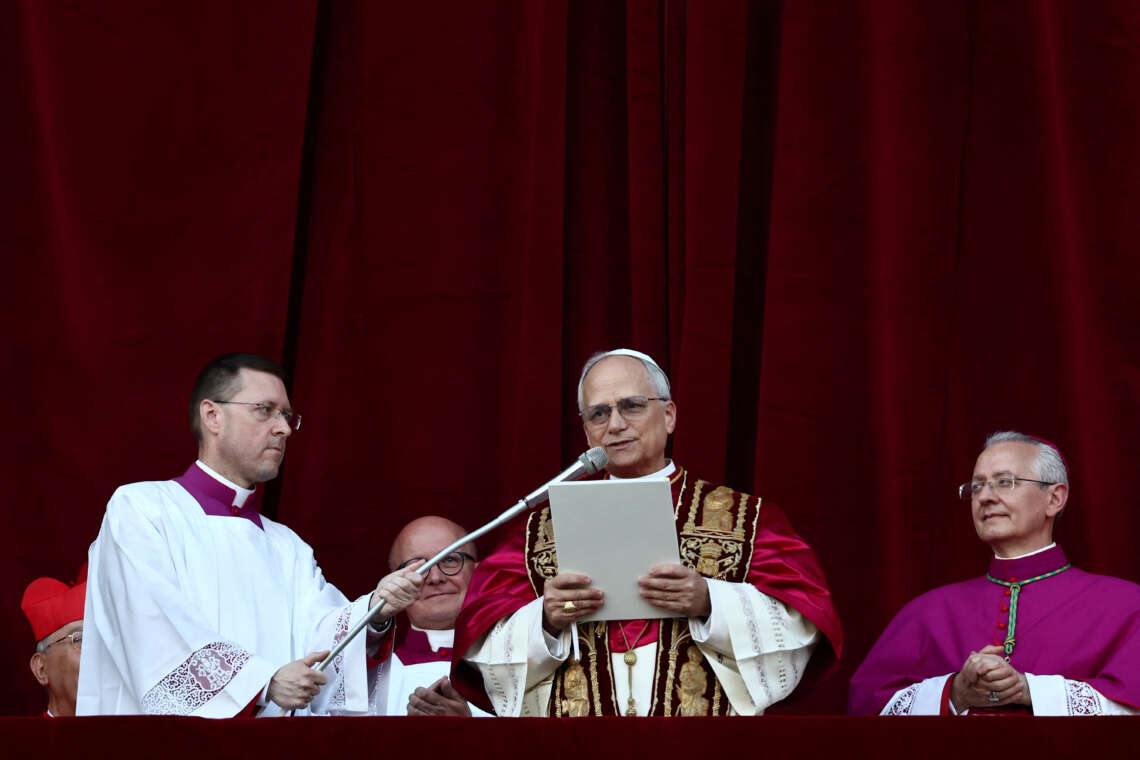
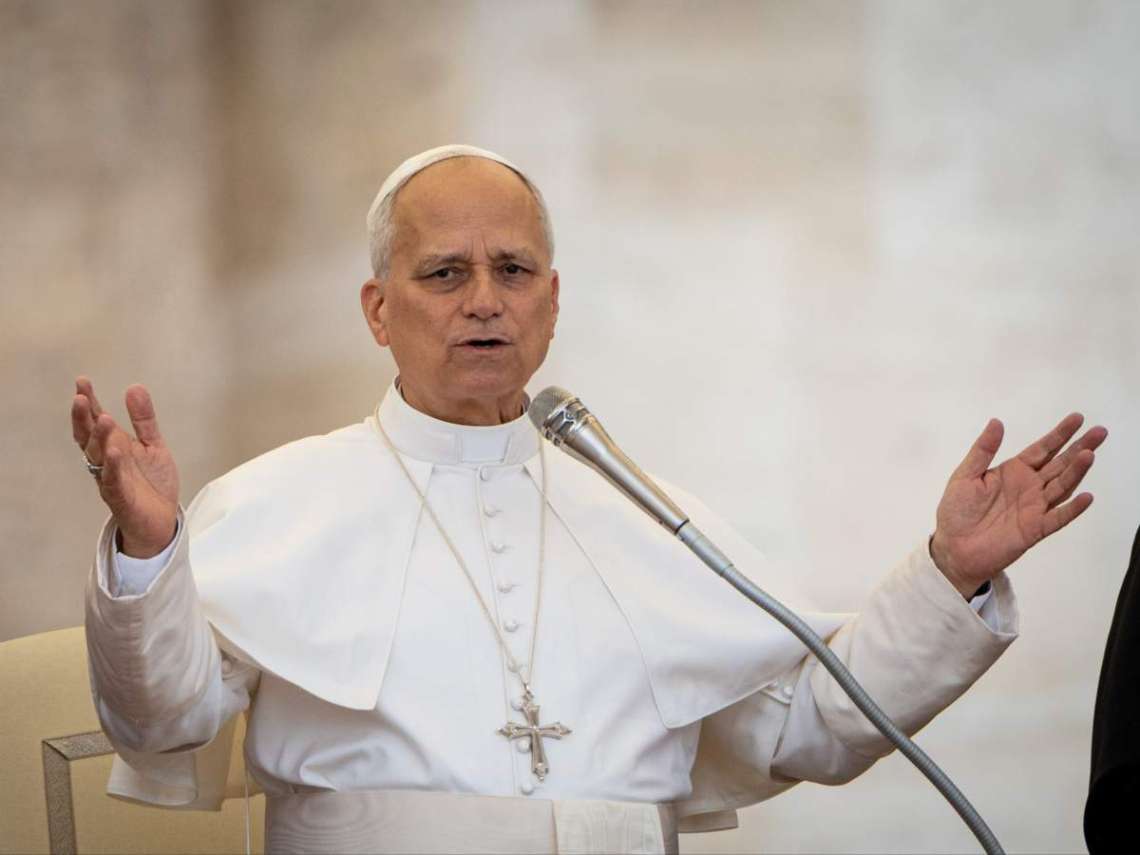
Pope Leo has suggested that Christian political leaders who initiate or support wars should reflect deeply on their actions and consider whether they are living according to the teachings of Jesus.
Speaking at a Vatican conference on the practice of confession, the pope urged those who bear responsibility for armed conflicts to examine their conscience and seek spiritual accountability.
“Do those Christians who bear grave responsibility in armed conflicts have the humility and courage to make a serious examination of conscience and to go to confession?” the pope asked during his address to priests in Vatican City.
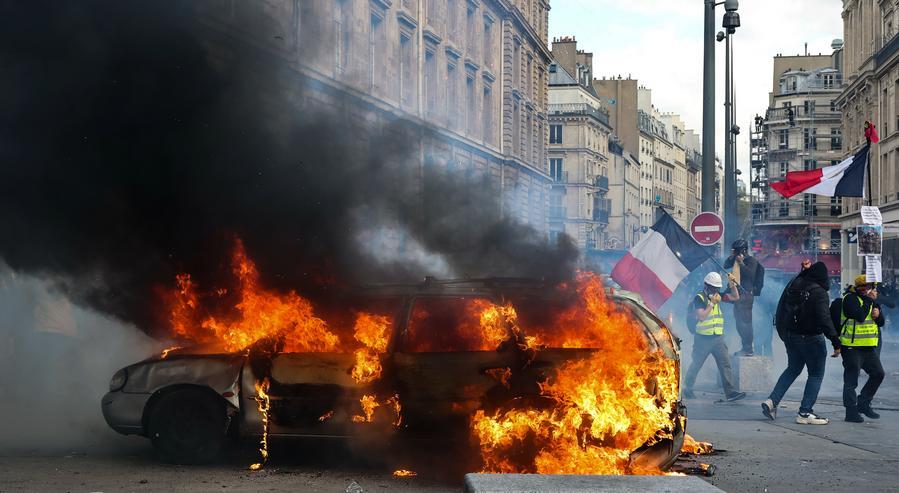
While the pontiff did not name any specific political leaders or conflicts in his remarks on Friday, his comments come amid rising tensions and ongoing warfare in several regions around the world.
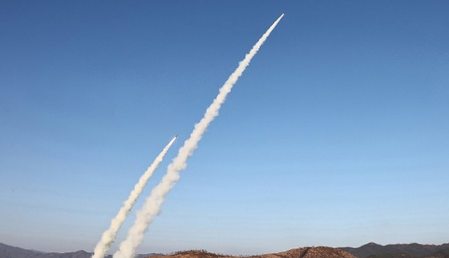
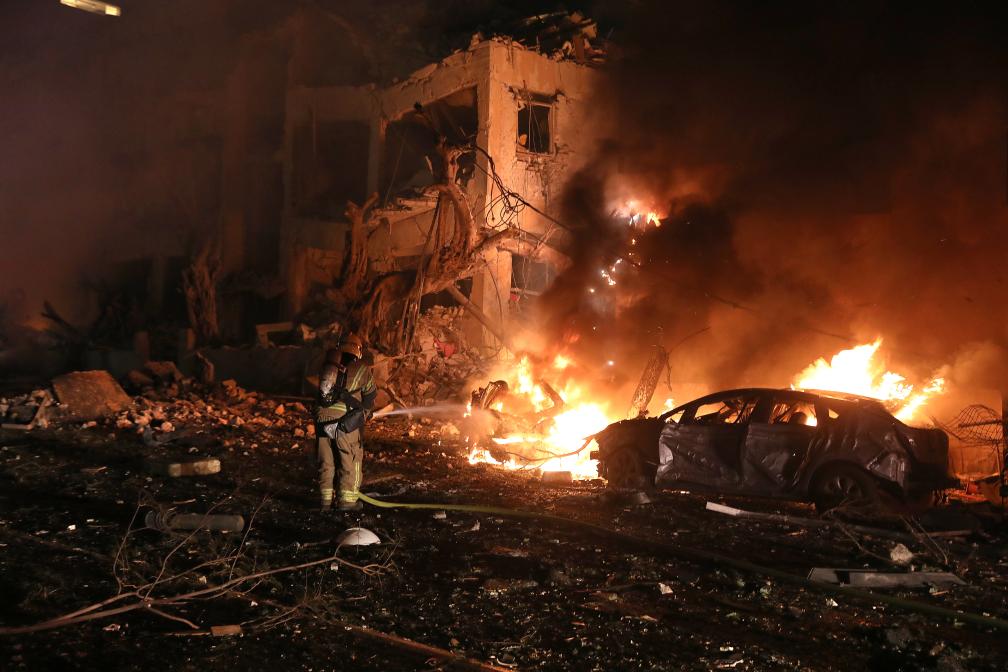
In recent days, the pope has intensified calls for an end to the ongoing conflict involving Iran, which began with joint air strikes by the United States and Israel on February 28.
Observers note that the pope’s remarks appeared to underline the moral responsibility of leaders who identify as Christians while making decisions about military action.
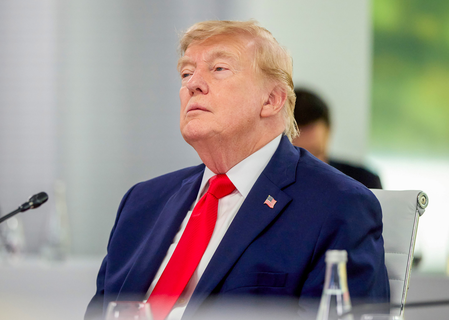
Donald Trump, who was raised in the Presbyterian Christian faith, currently leads the United States. Several senior members of his administration, including JD Vance and Marco Rubio, are practising Catholics.
The pope’s comments echoed long-standing teachings within Christianity about peace, humility and moral responsibility. According to the New Testament, Jesus encouraged his followers to pursue non-violence and reconciliation rather than conflict.
Historically, the Catholic Church has generally opposed war and has urged political leaders to pursue peaceful solutions to disputes whenever possible.
However, the Church has also developed a framework known as the “just war” tradition to assess whether military conflict can ever be morally justified. The tradition sets out a series of strict conditions that must be met for a war to be considered legitimate.
These criteria include the requirement that force must be used only as a last resort, that it must be proportional, and that it must serve to repel an unjust aggression or defend innocent lives.
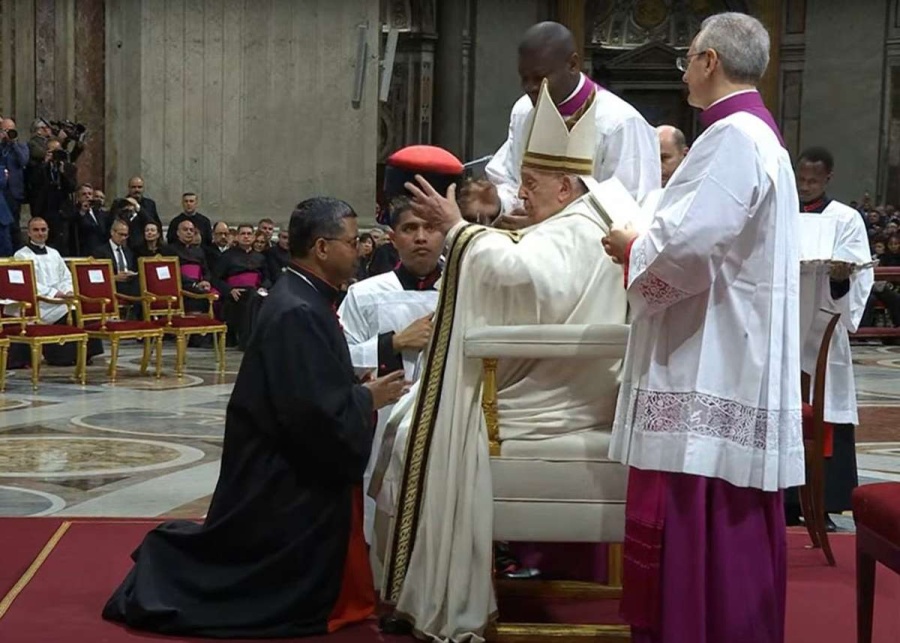
Earlier this week, Robert McElroy criticised the recent US–Israeli air strikes on Iran, stating that they were “not morally legitimate” under the Church’s just war principles.
McElroy argued that the attacks did not meet the moral criteria that the Church applies when evaluating whether armed force can be justified.
During his address, Pope Leo focused on the importance of confession within the Catholic faith. Confession, also known as the sacrament of reconciliation, allows believers to acknowledge their sins before a priest and seek forgiveness from God.
The pope said the practice plays an important role not only in personal spiritual life but also in fostering greater harmony in society.
By encouraging self-examination and humility, he suggested, the ritual of confession can help believers recognise their moral responsibilities and repair damaged relationships.
Pope Leo concluded that when individuals, particularly those with power and influence, honestly examine their conscience, it can contribute to peace within communities and across nations.
His remarks reflect the Vatican’s broader emphasis on ethical leadership and the moral consequences of decisions that affect millions of lives during times of war.