The ANC remains South Africa’s largest party with just 30.76% of the vote, as the DA makes gains and Jacob Zuma’s MK Party strengthens its position, leaving dozens of municipalities facing coalition negotiations…reports Asian Lite News Desk
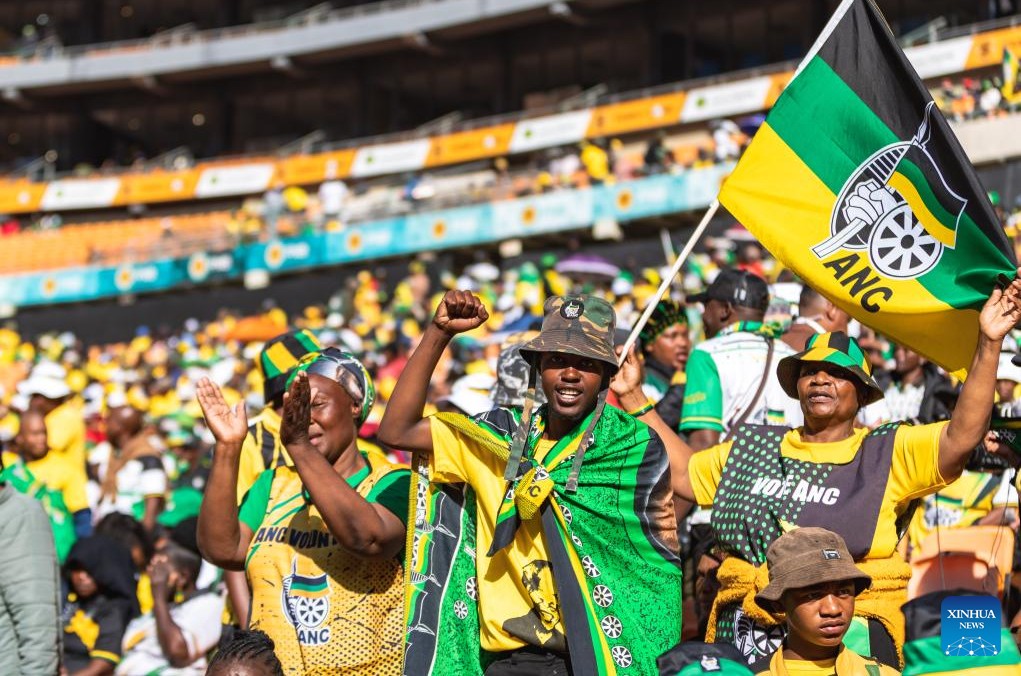
The African National Congress (ANC), once the dominant political force in South Africa, has suffered a major setback in the 2026 local government elections, securing just 30.76% of the national vote and signalling a further erosion of its support three decades after the end of apartheid.
The final results, announced by the Electoral Commission of South Africa (IEC) on November 8, confirm that the ANC remains the country’s largest political party but has lost considerable ground to its rivals. Its performance represents a sharp decline from the 45.6% it secured in the 2021 local elections, underlining growing voter dissatisfaction with its record in government.
The centre-right Democratic Alliance (DA) finished second with 24.64%, while the uMkhonto weSizwe Party (MK), led by former president Jacob Zuma, secured 9.76%. The Economic Freedom Fighters (EFF) received 6.22%, followed by ActionSA with 5.67%.
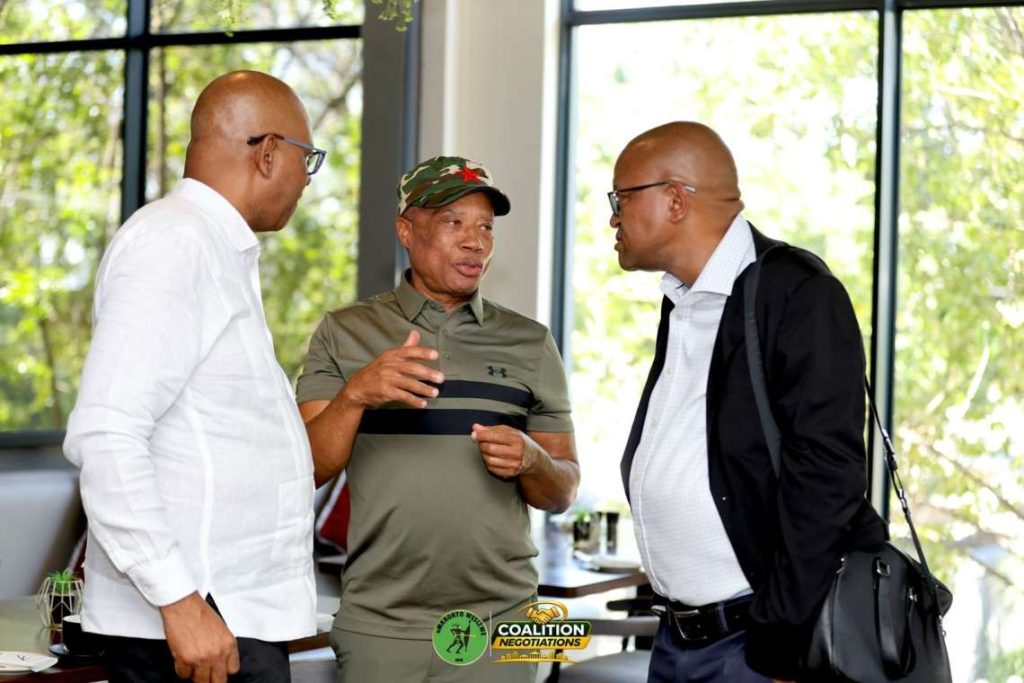
Johannesburg, the country’s largest city and commercial centre, remains a major battleground. The DA secured 34.8% of the vote, ahead of the ANC at 20.25% and ActionSA at 16.27%. None secured an outright majority, making coalition negotiations essential.
The results reflect mounting public frustration over unemployment, crime, corruption, unreliable electricity and water supplies, deteriorating infrastructure and poor municipal services. The ANC which has governed South Africa nationally since 1994, has increasingly struggled to convince voters that it can address these longstanding problems.The ANC’s losses are particularly significant in Gauteng and KwaZulu-Natal, two politically and economically important provinces. The party has struggled to retain its traditional support base amid growing competition from opposition groups and divisions within its own ranks.
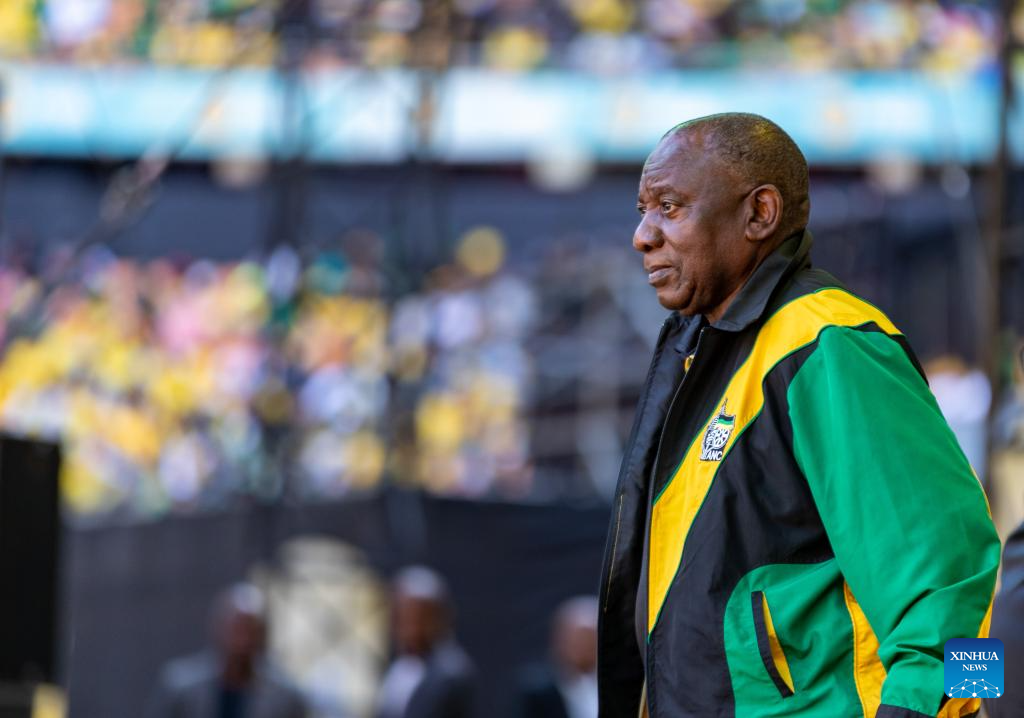
In the eThekwini municipality, which includes Durban, the MK Party emerged as the largest political force, securing 38.3% of the vote. The DA followed with 25.45%, while the ANC received 16.43%. However, the MK Party will need support from other parties to secure control of the council. The DA recorded particularly strong performances in the country’s major urban centres. It emerged as the largest party in Johannesburg, Tshwane, Ekurhuleni, Cape Town and Nelson Mandela Bay. In Cape Town, it secured an outright majority with 56.4% of the vote, strengthening its hold over the Western Cape’s economic hub.
According to the IEC, voter participation reached 52%, an improvement on the 45.9% recorded in the 2021 local elections. Approximately 14.9 million people cast their ballots from 29.2 million registered voters. The elections were contested by 521 political parties and 636 independent candidates.
More than three decades after Nelson Mandela led the ANC to power following the end of apartheid, the party is facing an increasingly fragmented political landscape. Although it remains South Africa’s largest political party, its declining electoral support suggests that its historical liberation credentials are no longer sufficient to guarantee voter loyalty.
The Electoral Commission of South Africa (IEC), which announced the final results on November 8, said the ANC secured 30.76% of the national vote, compared with 24.64% for the Democratic Alliance (DA). Former president Jacob Zuma’s uMkhonto weSizwe (MK) Party received 9.76%, while the Economic Freedom Fighters (EFF) secured 6.22% and ActionSA 5.67%. The DA emerged as the leading party in five of South Africa’s eight metropolitan municipalities, including Johannesburg, Tshwane, Ekurhuleni, Cape Town and Nelson Mandela Bay.
In Cape Town, the party secured 56.42%, retaining its outright majority. It also led in Johannesburg with 34.79% and Tshwane with 34.37%, although neither result gave it enough seats to govern alone. Zuma’s MK Party emerged as the leading political force in eThekwini, which includes Durban, securing 38.29% of the vote. The ANC remained the largest party in Buffalo City and Mangaung.
Johannesburg, Tshwane and Durban are among the major cities where negotiations will determine which parties form municipal administrations. Under South Africa’s electoral system, voters elect councillors, who subsequently choose mayors and establish municipal governments.
South Africa’s political system is moving away from the dominance of a single party towards a multiparty environment in which coalition agreements are increasingly necessary.