China’s tariff-free access opens a vast market for Africa, but governments face pressure to move beyond raw commodities and build higher-value industries, reports Africa Daily News Desk
China’s decision to remove tariffs on imports from 53 African countries is opening a major new market for the continent, but African governments face a bigger challenge in turning increased access into industrial growth and higher-value exports.
The zero-tariff policy, which took effect on May 1, covers 100 per cent of tariff lines for African countries that maintain diplomatic relations with Beijing. The measure has been presented as an opportunity to expand African exports, attract investment and encourage manufacturing, but officials and business leaders say lower tariffs alone will not solve the continent’s longstanding trade imbalance with China.
The issue was a central theme at an international seminar in Abuja on August 14, attended by nearly 500 government officials, diplomats, academics, business leaders and representatives of regional organisations.
The discussions highlighted a fundamental question for African economies: whether they can use easier access to the Chinese market to export more finished and processed products rather than continuing to rely heavily on raw materials.
Nigeria’s Minister of State for Agriculture and Food Security, Aliyu Sabi Abdullahi, warned against treating tariff relief as a solution by itself. Nigerian officials said the priority should be to increase local processing and move agricultural products, minerals and other commodities further up the value chain before they are exported.
Nigeria’s Foreign Ministry also said Africa needed to focus on what it produces, how products are manufactured and how much economic value remains within African countries.
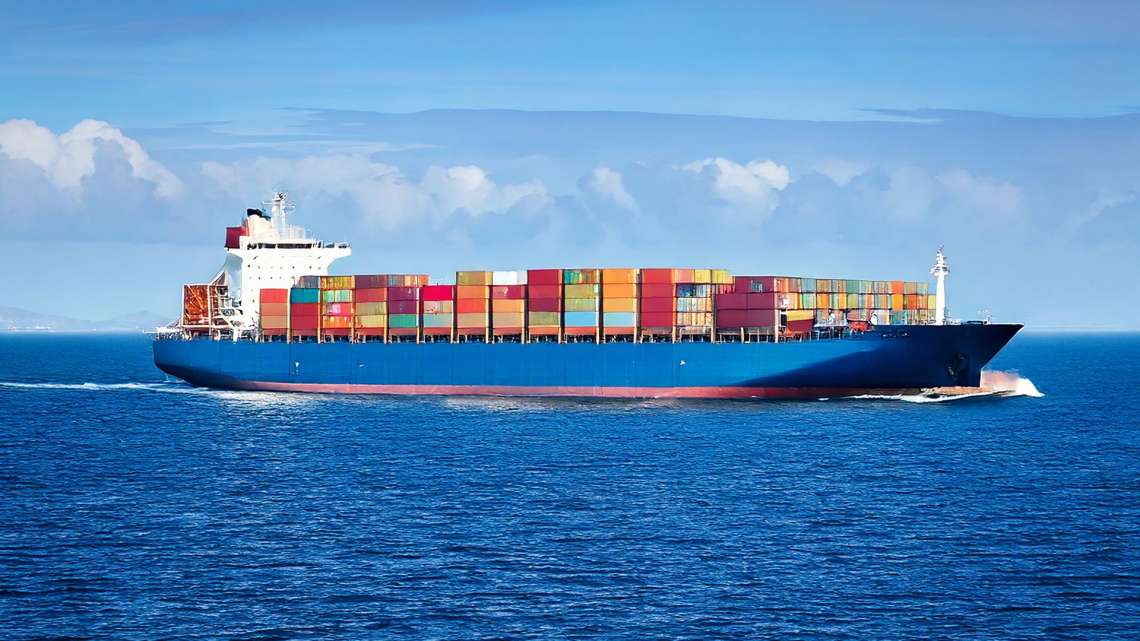
That concern is reflected in the structure of China-Africa trade. Trade between China and Africa reached a record $348 billion in 2025, according to Chinese customs data. But Chinese exports to Africa were worth about $225 billion, compared with $123 billion of African exports to China, leaving Africa with a deficit of roughly $102 billion.
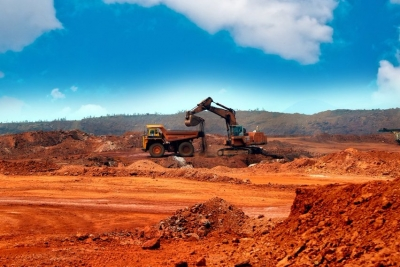
The composition of that trade is as significant as its size. African exports to China remain heavily concentrated in commodities, including crude oil, copper, cobalt and iron ore, while Chinese exports to African markets are dominated by manufactured and higher-value goods such as machinery, electronics and green technologies.
The result is a trading relationship in which African countries have gained access to a huge consumer market but have struggled to capture a larger share of the value generated from their natural resources.
The new tariff regime could begin to change that if African countries expand processing capacity, improve product quality and build reliable supply chains.
There are already signs of stronger trade flows since the policy came into effect. Chinese officials said imports from Africa rose sharply after May 1, while Nigerian reports have pointed to a significant increase in Nigerian exports to China. At the Abuja seminar, Chinese Ambassador to Nigeria Yu Dunhai said China-Africa trade had reached $207 billion in the first half of 2026, while Nigerian exports to China had also recorded strong growth.
The early gains include agricultural products and other goods that can enter China without tariffs. South African apples, Kenyan avocados and products from countries including Benin, Rwanda, Madagascar, Ghana, Tunisia and Nigeria have been among the African goods entering the Chinese market under the expanded arrangements.
However, economists and policymakers face the question of whether such exports can develop into sustained industrial value chains.
Nigeria has identified local processing, stronger manufacturing capacity, improved product standards and more reliable supply chains as priorities. Its government has also linked the opportunity to the African Continental Free Trade Area, arguing that stronger regional value chains could help African producers reach the scale required to compete internationally.
For China, the policy is also intended to encourage greater investment and cooperation. Beijing says tariff-free access can encourage Chinese companies to establish processing and manufacturing operations in Africa, allowing producers to integrate more closely with global supply and value chains.
The challenge for African economies is therefore broader than simply increasing shipments to China. Without investment in electricity, transport, finance, skills, technology, manufacturing and agricultural processing, the continent risks exporting larger volumes of commodities while continuing to import finished products.
The zero-tariff policy removes one barrier to African exports. Whether it produces a lasting shift in the continent’s economic structure will depend on what African countries do with that access.