US visa restrictions on South African officials deepen tensions over race, land reform and Afrikaner rights, as Pretoria rejects Washington’s allegations and defends sovereignty, reports Africa Daily News Desk
The United States has imposed visa restrictions on South African officials accused of supporting race-based discrimination, escalating tensions between Washington and Pretoria over land reform, racial policy and the treatment of the country’s white minority.
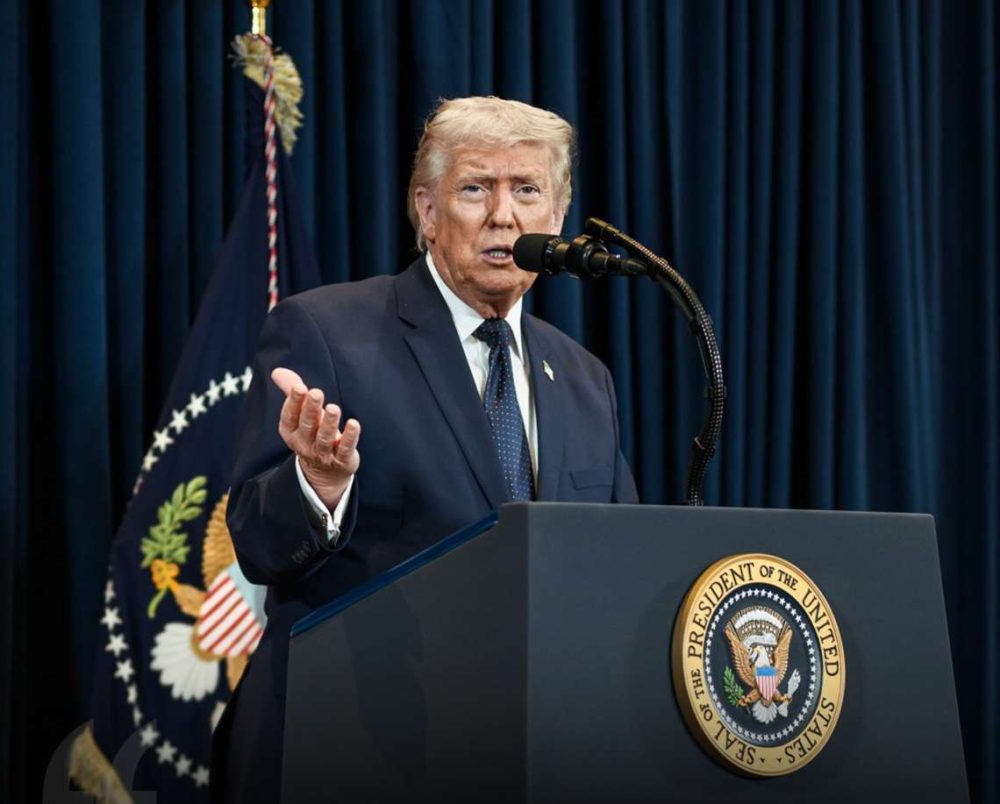
US Secretary of State Marco Rubio announced the restrictions on Tuesday, saying Washington would target people it believes are responsible for, or complicit in, policies involving racial discrimination, incitement of violence and land expropriation without compensation.
Rubio did not identify the officials affected by the measures. The policy is aimed at individuals whom the US administration says have promoted or enabled what it describes as discriminatory practices against Afrikaners and other minority groups.
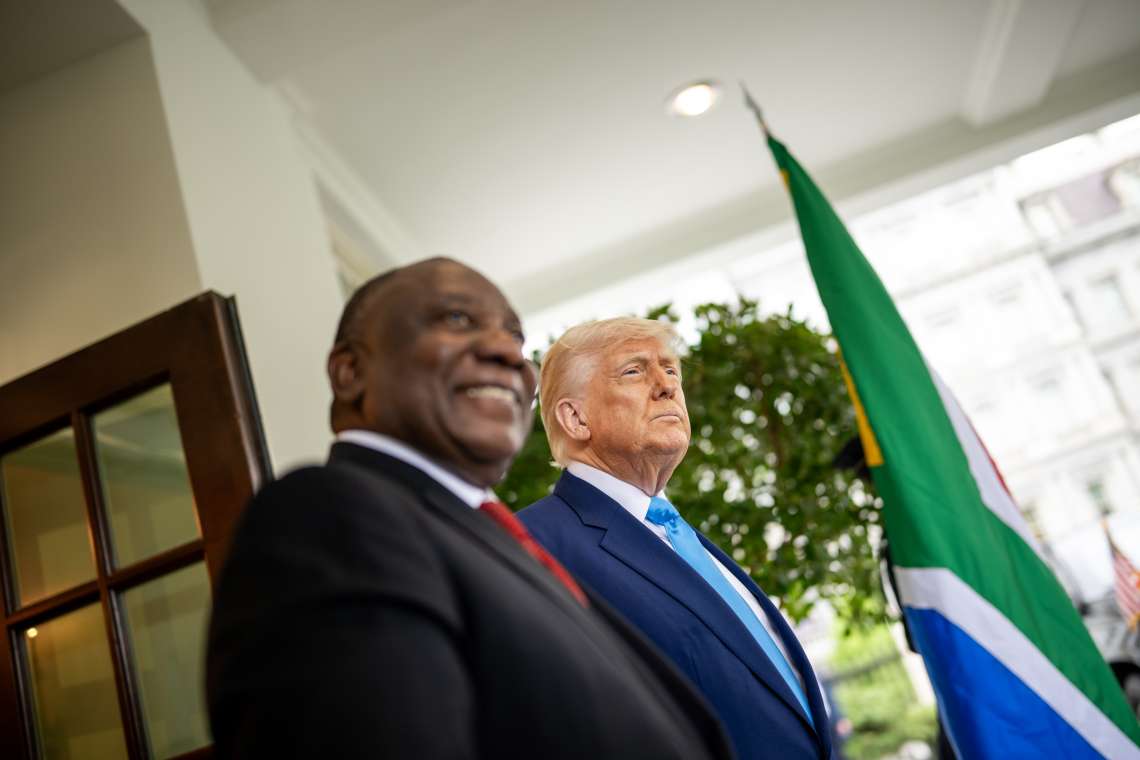
Washington has repeatedly raised concerns about South Africa’s race-related legislation and land reform policies under President Cyril Ramaphosa. The Trump administration has argued that some of these measures unfairly disadvantage white South Africans, particularly Afrikaners, a white South African community largely descended from Dutch, French and German settlers.
Pretoria strongly rejects that characterisation.
South African International Relations and Cooperation Minister Ronald Lamola said the government viewed the latest restrictions with concern and accused groups supporting the US position of misrepresenting South Africa’s domestic policies.
Lamola said South Africa expected its sovereignty, democratic institutions and Constitution to be respected. He argued that issues surrounding racial inequality and land reform should be addressed through the country’s constitutional institutions, democratic processes and the rule of law.
He also stressed that ongoing discussions between Washington and Pretoria demonstrated the importance of diplomatic engagement, saying bilateral disagreements should be resolved through state-to-state dialogue rather than unilateral measures.
The dispute centres partly on South Africa’s efforts to address the legacy of apartheid, when the black majority was subjected to racial discrimination and large-scale dispossession of land.
Land reform has remained politically and socially sensitive since the end of apartheid. The South African government argues that policies aimed at improving access to land and addressing historical inequalities are part of its constitutional obligations.
In January 2025, Ramaphosa signed the Expropriation Act into law. The legislation provides a framework for the state to expropriate property for a public purpose or in the public interest and identifies limited circumstances in which nil compensation may be considered just and equitable. It does not provide for arbitrary confiscation and requires authorities, in most cases, to first attempt to reach an agreement with property owners. Disputes can also be taken to court.
South Africa has rejected US claims that the law amounts to the confiscation of land from white citizens. Its government has said the legislation is intended to address historical inequalities while operating within the country’s constitutional framework.
The latest visa measures follow a broader deterioration in US-South African relations since Donald Trump returned to the White House. Washington has previously cut aid to South Africa and expelled its ambassador, while Trump has promoted a policy allowing Afrikaners to seek refugee status in the United States on grounds of alleged racial discrimination.
South Africa has repeatedly rejected claims of widespread persecution or a campaign of violence against white citizens.
The latest US action does not amount to a blanket visa ban on South Africans. Instead, it provides for restrictions against individuals whom Washington identifies as involved in the conduct outlined by Rubio.
The dispute has also exposed wider differences over how the two countries view South Africa’s post-apartheid transformation. Washington has focused on alleged discrimination against white minorities, while Pretoria maintains that its policies are designed to address inequalities created by decades of legally enforced racial discrimination.