The decision to skip the summit has raised concerns over Dhaka’s strategic approach to foreign policy and diplomacy….reports Asian Lite News Desk
Bangladesh’s decision to skip the 18th BRICS Summit in New Delhi has cost the country a major opportunity to engage with key global and regional powers, raising questions about whether the move serves its national interests, a report has said.
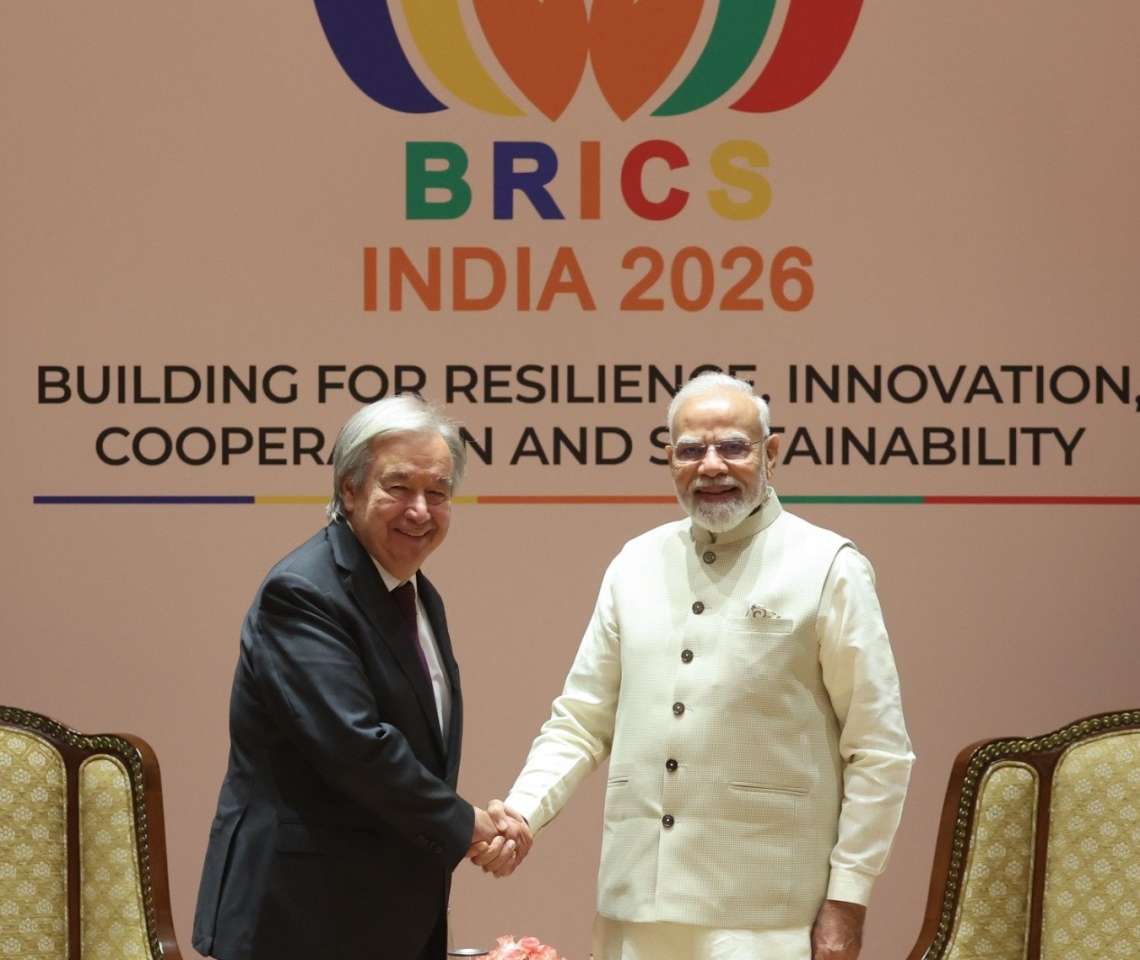
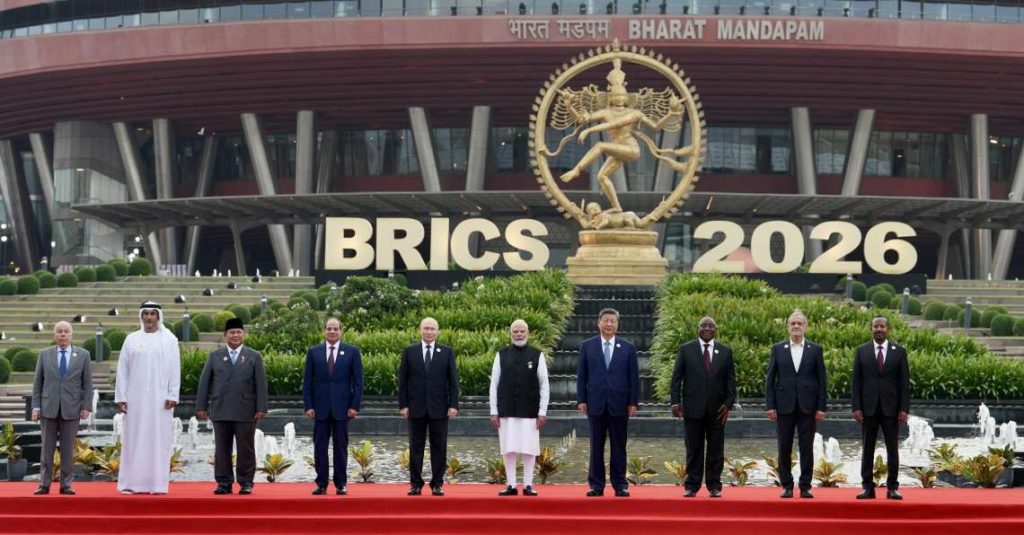
The summit was held in New Delhi on September 12 and 13, bringing together leaders and senior representatives from major emerging economies and regional partners.
The report in Bangladesh’s Daily Sun criticised the government’s decision not to attend, particularly after State Minister for Foreign Affairs Humayun Kobir said Prime Minister Tarique Rahman had not been invited in his capacity as Prime Minister but rather as chair of BIMSTEC.
While acknowledging that the distinction could have procedural relevance, the report said treating it as a reason to stay away from the summit reflected a lack of diplomatic maturity.
It argued that Bangladesh’s position as chair of BIMSTEC should instead have increased the value of participation, allowing Dhaka to highlight the interests of the Bay of Bengal region.
“Dhaka could have used the occasion to project itself as an important voice for the Bay of Bengal region,” the report said, adding that the summit could have provided opportunities to advance regional connectivity, trade, energy cooperation, climate resilience and the Rohingya issue.
The report also criticised what it described as an excessive focus on protocol, saying that publicly stressing the capacity in which the Prime Minister had been invited could make Bangladesh appear unnecessarily sensitive to perceived diplomatic slights.
According to the report, the presence of Chinese President Xi Jinping, Russian President Vladimir Putin, Indian Prime Minister Narendra Modi and other prominent leaders created diplomatic opportunities that would be difficult to replicate through formal meetings or diplomatic exchanges at a later stage.
Bangladesh could have used the summit to discuss trade, investment, energy security, infrastructure financing, technology, climate finance and supply-chain diversification, it said.
The report also highlighted potential opportunities to strengthen relations with China and Russia, maintain high-level engagement with India and develop closer economic ties with Indonesia, Brazil, Gulf countries and African economies.
It said the bigger concern was not simply Bangladesh missing one summit but what the decision revealed about strategic thinking within the country’s Foreign Ministry.
“Foreign policy cannot be conducted as a series of reactions to perceived diplomatic slights, protocol disputes or narrowly interpreted invitations,” the report stated.
“It requires anticipation, imagination and the ability to see several moves ahead. Bangladesh needs that kind of diplomacy more than ever.”
The report argued that Bangladesh’s foreign policy should ultimately be judged by whether an engagement advances national interests.
In the case of the BRICS Summit, it said, participation would have allowed Dhaka to simultaneously engage major powers, emerging economies, development financiers and regional partners.
By staying away, Bangladesh missed an opportunity to strengthen ties with China and Russia, maintain direct engagement with India, expand economic links across the Global South and promote BIMSTEC as a significant regional platform, the report concluded.