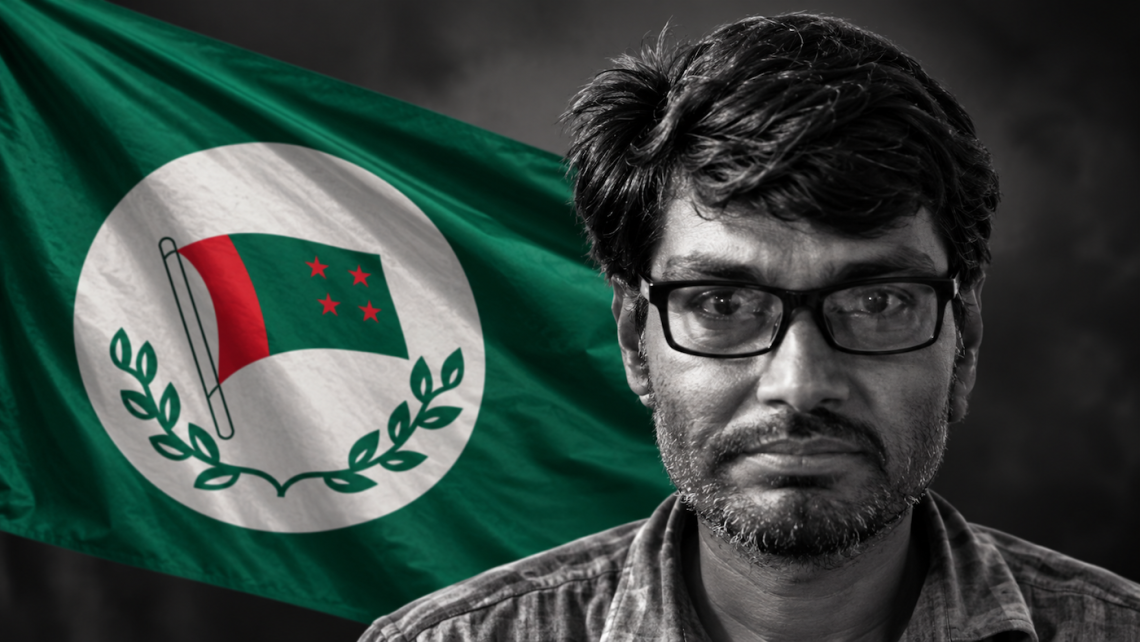
Bangladesh’s prominent Hindu leader remains imprisoned as Supreme Court stay blocks his release in sedition case…reports Asian Lite News Desk
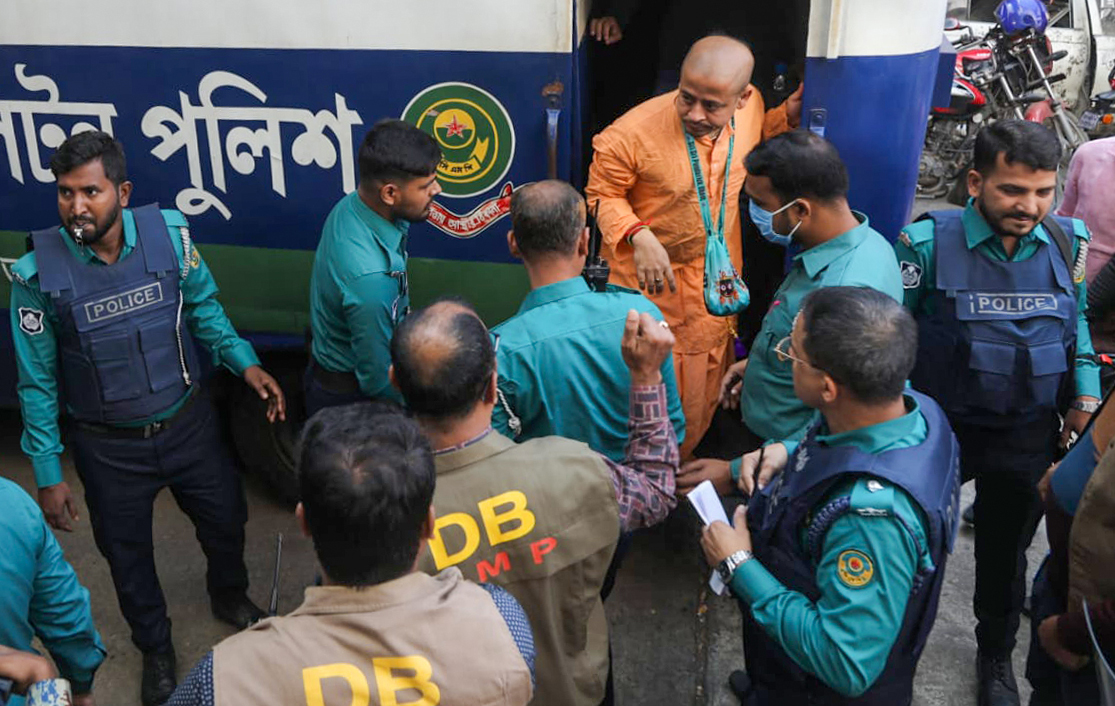
Prominent Bangladeshi Hindu leader Chinmoy Krishna Das remains behind bars despite being granted bail in two separate cases, as his release is still blocked by legal proceedings in other cases against him, local media reported.
A High Court bench comprising Justice KM Zahid Sarwar and Justice Sheikh Abu Taher granted Das bail on Sunday after hearing two separate petitions relating to cases filed at Kotwali Police Station in Chattogram.
The cases, registered on November 26, 2024, involve allegations of vandalism and obstructing police officers from carrying out their duties.
Das, spokesperson for the Bangladesh Sammilito Sanatani Jagaran Jot, has been in custody since November 25, 2024, following his arrest in Dhaka.
His lawyer, Apurba Kumar Bhattacharya, told The Daily Star that Das faces six cases, including charges of murder and sedition. While he has secured bail in five cases from the High Court and lower courts, his release remains stalled because the Supreme Court’s Appellate Division has stayed a High Court order granting him bail in the sedition case.
Das was arrested in Dhaka before being sent to jail the following day after a court in Chattogram rejected his bail plea. A subsequent application for bail was also turned down in December 2024.
His arrest triggered protests among members of Bangladesh’s Hindu community, as well as demonstrations and expressions of concern internationally.
The latest High Court decision marks another legal breakthrough for Das but does not immediately alter his custodial status due to the outstanding proceedings.
Meanwhile, the Coalition of Hindus of North America (CoHNA) criticised the continued imprisonment of the Hindu monk, describing the case as a “travesty” and alleging government-sponsored persecution.
In a statement posted on social media platform X, the advocacy group said Das had spent close to two years in custody after campaigning for the security and rights of minority communities.
CoHNA also questioned the charges against him, claiming he had been accused of involvement in a murder that allegedly took place after he was already in police custody.
The organisation further raised concerns over violence and discrimination faced by religious minorities in Bangladesh, particularly Hindus, and called for greater international scrutiny of the situation.
Bangladesh’s Hindu minority has periodically raised concerns over attacks on homes, businesses and places of worship, with rights groups calling for stronger protections and accountability for violence targeting minority communities.
Das’s case has become a prominent symbol for campaigners raising concerns over minority rights in Bangladesh. While the latest bail orders represent progress in his legal battle, his continued detention means his release will depend on the outcome of proceedings in the remaining cases against him.