The remains of three Nepali high-altitude guides killed in a deadly Broad Peak avalanche have returned to Kathmandu….reports Asian Lite News Desk
The remains of three Nepali high-altitude guides killed in an avalanche on Pakistan’s Broad Peak were brought back to Kathmandu on Tuesday, more than 10 days after the tragedy.
Kili Pemba Sherpa, popularly known as Kilu, Gyalu Sherpa and Nima Sherpa arrived at Tribhuvan International Airport on a Qatar Airways flight from Doha.
Relatives, fellow climbers, Nepal Mountaineering Association officials and representatives of expedition companies gathered at the airport as the coffins were unloaded and placed in a hearse.
Family members were seen grieving beside the caskets before the bodies were taken away following the completion of airport formalities.
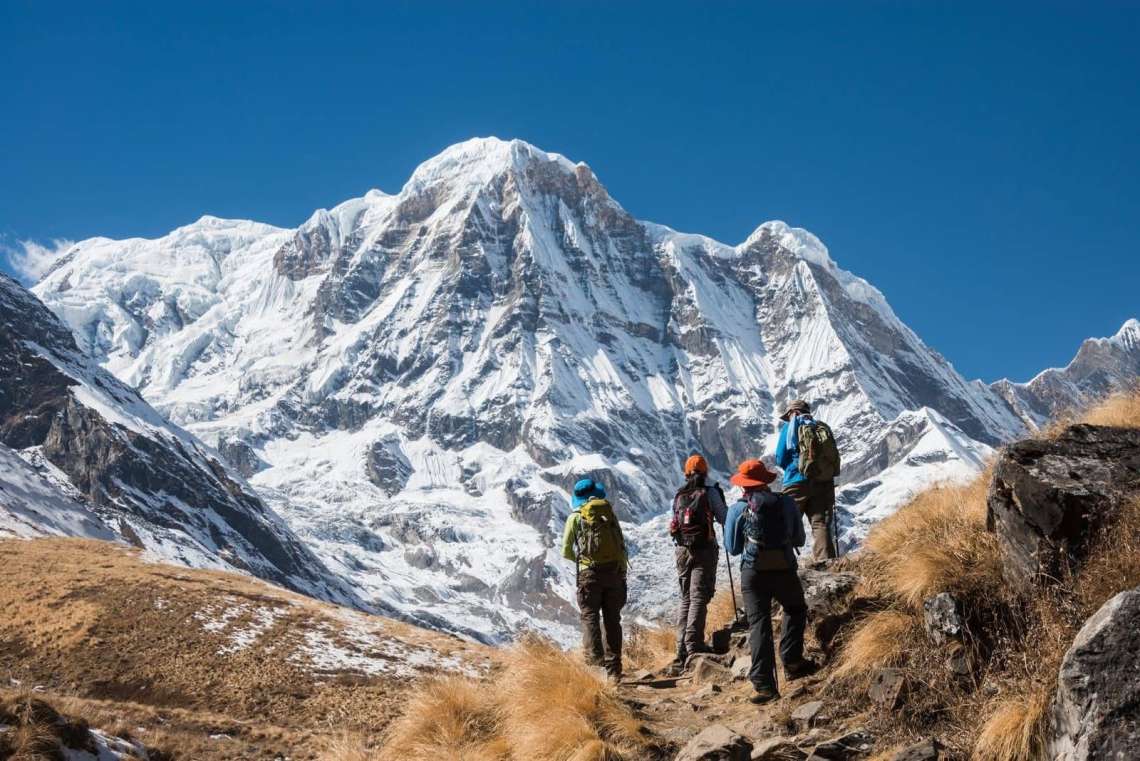
The three mountaineers were among 10 climbers killed when an avalanche struck Broad Peak at around 9.30 am on July 30. The team was climbing between Camp 2 and Camp 3 at an altitude of around 6,600 metres on the 8,051-metre mountain in Pakistan’s Karakoram range.
The entire 10-member international expedition team was killed in the avalanche. Those who died included British-Nepali mountaineer Nirmal Purja, widely known as Nimsdai, Pur Bahadur Gurung, Nawang Thindu Sherpa, Omani climber Nadhira Al Harthy, Chinese climber Wang Zhong, Pakistani guide Sohail Sakhi and American climber Mallory Geis.
Kili Pemba Sherpa, 46, from Rolwaling Valley in Nepal’s Dolakha district, was regarded as one of the country’s accomplished high-altitude climbers. He was part of the team that made the first winter ascent of K2 in January 2021.
Just weeks before his death, he completed his ascent of all 14 of the world’s 8,000-metre peaks by summiting Nanga Parbat on July 3. He worked as a guide for Imagine Nepal.
Gyalu Sherpa, also known as Gyaljen, was from Okhaldhunga and was affiliated with Seven Summit Treks. He had climbed Kanchenjunga three times in a single season and had also completed multiple Everest ascents.
Nima Sherpa, from Sankhuwasabha and in his mid-30s, worked as a senior guide for Elite Exped. He had climbed four 8,000-metre peaks during the 2026 season before joining the Broad Peak expedition.
Of the five Nepali climbers killed in the avalanche, the remains of four have now been recovered. Pur Bahadur Gurung’s body was repatriated last week, while Nirmal Purja’s remains were flown to the United Kingdom, where he was also a citizen.
Recovery operations are continuing for three climbers who remain on the mountain, including one Nepali, one Pakistani and one American. The efforts have been complicated by difficult high-altitude conditions.
Broad Peak, which lies along the Pakistan-China border in the Gilgit-Baltistan region, is considered a demanding 8,000-metre climb, although it is generally less crowded than nearby K2.
The area between Camp 2 and Camp 3 has previously witnessed avalanche incidents. Climbers have also reported increasingly unpredictable snow and weather conditions in the Karakoram in recent seasons.
The July 30 disaster, which killed an entire 10-member expedition team in a single avalanche, has been described by veteran climbers as one of the deadliest incidents in Broad Peak’s history.
It has also renewed concerns over the risks faced by Nepali high-altitude workers, following other major mountaineering disasters including the 2014 Everest icefall avalanche and the 2015 earthquake-triggered avalanche at Everest Base Camp.