Brussels explores short-term measures to ease industry pressure from soaring energy costs
The European Union is examining a range of short-term measures, including adjustments to energy taxes, network charges and carbon costs, to help industries struggling with high power prices, according to a document seen by Reuters.
Officials in Brussels are looking for rapid solutions after companies warned that European businesses are increasingly unable to compete with rivals in China and the United States due to higher energy costs.
The issue has become more urgent following the latest surge in oil and gas prices linked to escalating tensions in the Middle East. European leaders fear prolonged price pressures could damage the competitiveness of key industrial sectors across the bloc.
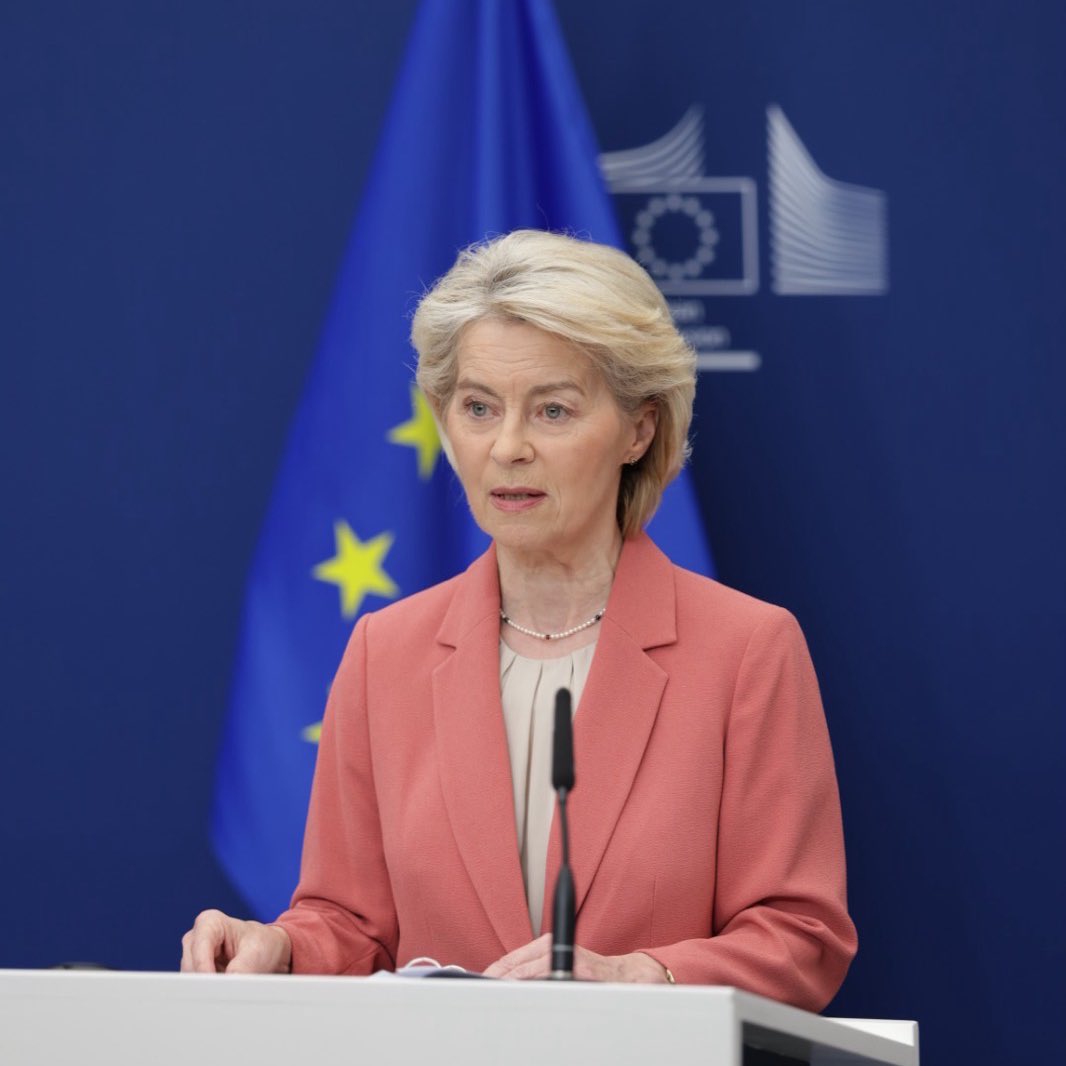
Ursula von der Leyen has pledged to present potential options for EU leaders to consider at a summit scheduled for 19 March.
The internal paper, prepared for a meeting of commissioners at the European Commission, outlines several areas where immediate steps could be taken to ease the financial burden on businesses while maintaining the bloc’s longer-term climate goals.
The document suggests that the EU may explore temporary adjustments affecting network charges, which currently account for about 18 per cent of industrial electricity bills across the region.
It also highlights national taxes and levies, along with carbon pricing costs under the EU’s emissions trading system, which together contribute significantly to companies’ energy expenses. Carbon costs alone are estimated to represent roughly 11 per cent of industrial power bills.
According to the paper, policymakers are considering ways to reduce these costs for companies in the short term without weakening the EU’s broader strategy to transition to a low-carbon energy system.
“Any proposal for legislative change will not deliver immediately and a bridge solution may be needed to reduce energy prices in the next two to five years until the clean transition eases pressure on power prices as already seen in some regions,” the document states.
The EU has been pushing ahead with ambitious climate policies aimed at reducing greenhouse gas emissions and accelerating the shift to renewable energy. However, industries have warned that the transition period is creating significant cost pressures, particularly for energy-intensive sectors such as manufacturing, chemicals and steel.
The Commission’s analysis also notes that national governments are not fully utilising some of the existing tools available to support companies facing high energy costs.
These include state aid programmes that allow governments to offset part of the carbon costs faced by industrial producers. Another mechanism mentioned in the document is the use of “contracts for difference”, which guarantee companies a stable electricity price by compensating them if market prices rise above a certain level.
Such instruments could help provide greater price certainty for energy-intensive industries during periods of market volatility.
The paper also warns that if energy supplies are disrupted further, the EU may need to consider demand-reduction measures similar to those introduced in 2022 when Russia sharply reduced natural gas deliveries to Europe.
At that time, governments across the bloc introduced emergency steps encouraging households and businesses to reduce energy consumption in order to stabilise supply.
A spokesperson for the European Commission did not immediately respond to a request for comment on the document.