A new Climate Impact Lab report warns climate change could cause 430,000 additional deaths a year by 2050, with the worst impact on poorer nations lacking electricity for cooling…reports Asian Lite News Desk
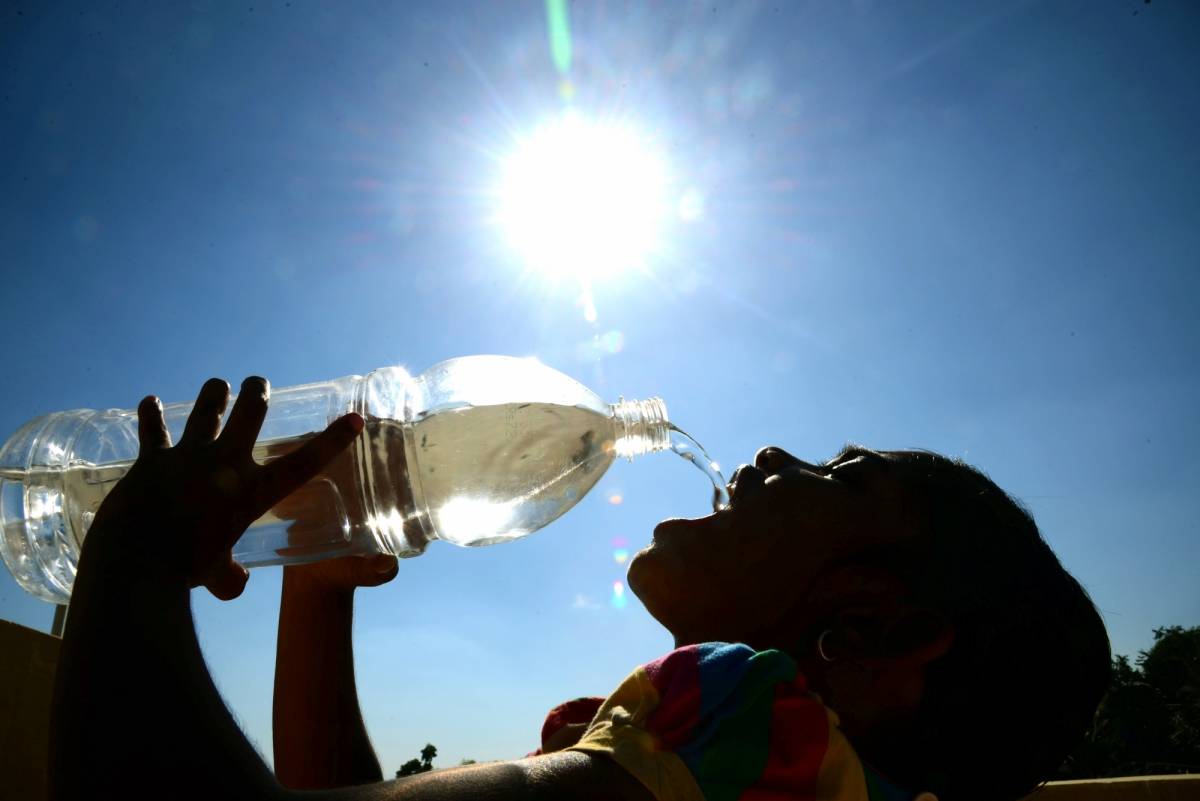
Climate change could lead to around 430,000 additional deaths every year by 2050, with poorer countries expected to suffer disproportionately because they lack the electricity needed to power life-saving cooling systems, according to a new report released by the Climate Impact Lab on Monday.
The study warns that while rising temperatures are expected to increase demand for air conditioning worldwide, many low-income nations will not have the resources or reliable electricity supply required to adapt. As a result, the report estimates that poor countries could experience 10 times more heat-related deaths than wealthier nations.
“Air conditioning is a life saver, and climate change will no doubt lead to more AC adoption in today’s wealthy countries. Our research finds, however, that in too many countries around the world people will not be able to respond in the same way. The result is one of climate’s great cruelties — lots of death in the very countries that have contributed the least to climate change,” said Michael Greenstone, a co-founder of the Climate Impact Lab and the Milton Friedman Distinguished Service Professor in Economics at the University of Chicago.

“These findings are a clarion bell that many countries do not have much time to improve the functioning of their electricity markets so they deliver inexpensive and reliable energy and identify other successful adaptations that can save lives.”
According to the report, only the world’s wealthiest populations currently have sufficient access to electricity to power widespread cooling. As economies expand, many middle-income countries are expected to improve their electricity infrastructure and increase access to cooling technologies. However, the same progress is not projected for the poorest countries.
Researchers estimate that electricity used for cooling because of climate change will grow seven times faster in middle-income countries than in low-income countries. In the poorest nations, the projected increase in electricity consumption per person would be so limited that it would only be enough to power a single LED bulb for four months.
The report identifies 18 countries, home to around 676 million people, where extreme heat and limited access to electricity combine to create the greatest risk. These regions are expected to remain trapped in a cycle of rising temperatures and inadequate cooling capacity.
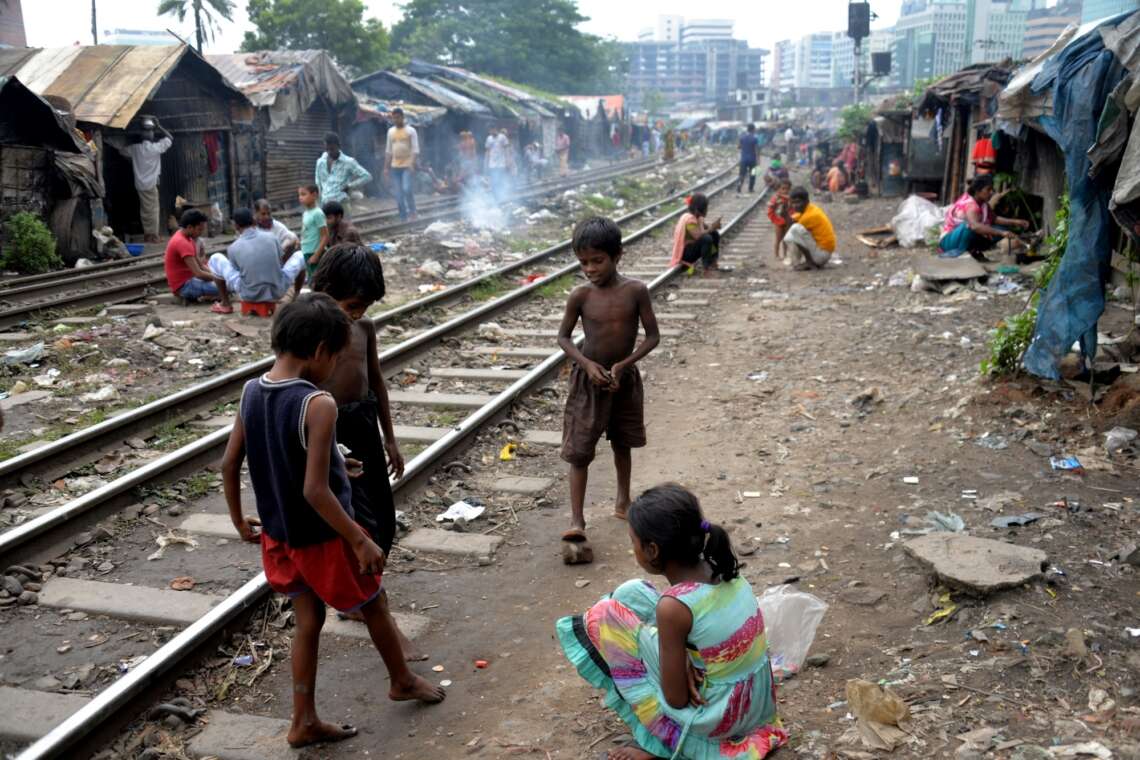
It projects that around 377,000 people living in these high-risk areas could die each year by 2050 because of hotter temperatures and minimal increases in energy consumption. Most of these countries are in northern sub-Saharan Africa, including Niger, Mali, Burkina Faso and Chad, while others are in South Asia, including Pakistan, Bangladesh, Nepal and Myanmar.
The report contrasts these countries with wealthier nations in the Gulf, such as Bahrain, Kuwait, the UAE and Saudi Arabia. Although these countries experience similarly high temperatures, they already consume significantly more electricity for cooling and are expected to expand that capacity further, reducing the number of heat-related deaths.
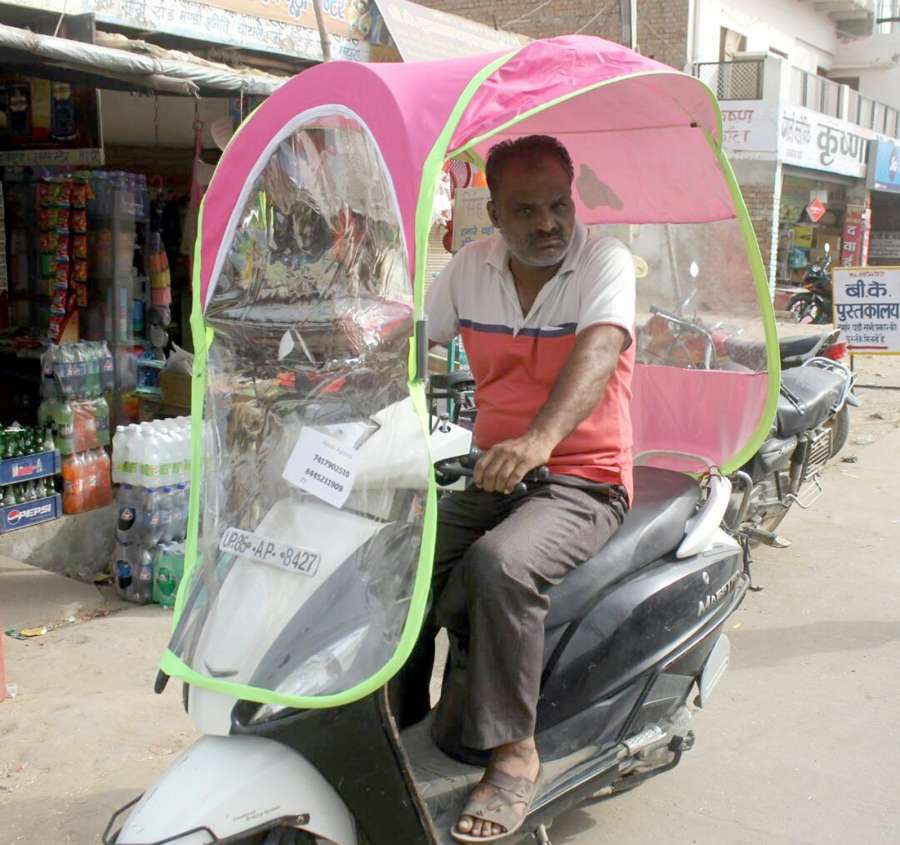
As an example, the report compares Niger and Saudi Arabia. It estimates that the increase in electricity use per person in Niger will be only one-ninth of that projected for Saudi Arabia, while communities in Niger are expected to experience 27,000 more annual deaths from climate-driven warming by 2050 than their wealthier counterpart.
“We’ve identified the places most at risk of seeing more people die from the heat and least able to power up ACs to save them, so people and governments can zero in on saving the greatest number of lives,” said Ashwin Rode, a fellow at the Climate Impact Lab and director of scientific research at the Energy Policy Institute at the University of Chicago (EPIC).
“Communities will need to find ways to protect people from heat like improved energy access, employing heat early warning systems and action plans, expanded healthcare access, and targeted social programs. But as of now, many adaptation approaches remain untested. We’re working to change that.”
The Climate Impact Lab said it is developing a global playbook of data-driven adaptation priorities and tested strategies to help national and local governments, funders and communities respond more effectively to growing climate risks.