A new report says Bangladesh’s care economy, worth nearly one-fifth of the country’s GDP, continues to rely heavily on child domestic labour despite growing demand for household services….reports Asian Lite News Desk
Bangladesh’s care economy, estimated to be worth nearly 18.9 per cent of the country’s GDP, continues to depend heavily on child domestic labour and must be formalised to provide decent jobs and protect children’s rights, according to a new report.
The report by Dhaka-based publication The Business Standard says the country’s expanding demand for household and care services is being met largely through an invisible and unregulated workforce, with many families employing underage domestic workers.
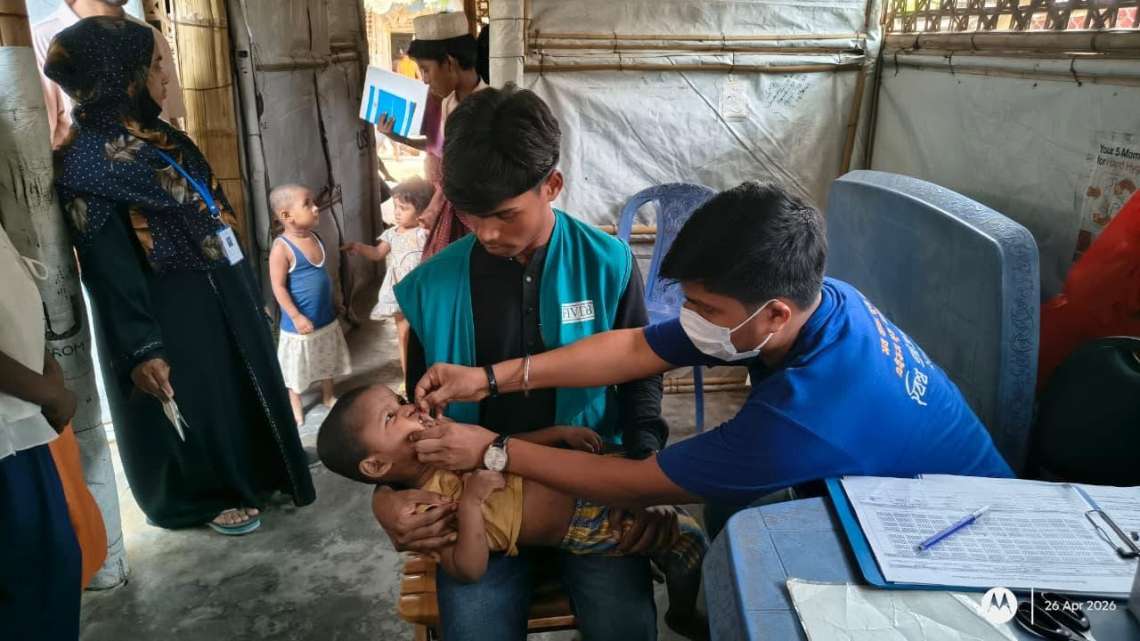
It also highlights a rise in child domestic labour, citing Bangladesh Bureau of Statistics and UNICEF estimates that 9.2 per cent of children aged between five and 17 are engaged in some form of work.
According to the report, the traditional practice of poorer relatives living with wealthier families in exchange for food, shelter and, in many cases, education has steadily disappeared.
“That contract has quietly dissolved. As urban life has grown busier and more transactional, families have become less willing to take on the long-term responsibility that came with hosting a relative,” the report said.
Instead, households increasingly seek workers who can perform domestic duties more cheaply and with fewer expectations.
“So, when they need help, they increasingly turn to the most vulnerable labour pool available: children from impoverished rural families,” the report said.
The report argues that only comprehensive policy reforms can address the problem. It recommends formalising the care economy and replacing child workers with adults employed under fair conditions and paid standardised minimum wages.
It also calls for Bangladesh’s Domestic Workers Protection and Welfare Policy to be converted into enforceable legislation, backed by inspections, meaningful penalties and stronger enforcement against employers and recruitment agencies that hire underage workers.
“Supporting struggling families means helping parents earn enough to keep their children in school, not shifting the burden of survival onto a 10-year-old,” the report added.
The report says reforming the care sector could unlock significant economic potential while ensuring decent work standards and reducing the exploitation of vulnerable children.
Tags: Bangladesh, child labour, care economy, domestic workers, UNICEF, Bangladesh Bureau of Statistics, children’s rights, labour laws, domestic work, economy, workforce, social policy, South Asia, employment, The Business Standard