More than 91,000 Tibetan voters worldwide are set to take part in a rare global election organised by the Central Tibetan Administration…reports Asian Lite News
The Tibetan community living in exile is preparing for the first phase of elections to choose the Sikyong (President) and members of the Tibetan Parliament-in-Exile, with voting scheduled to take place on February 1 across multiple continents.
Describing the process as a “unique election,” the Tibetan Election Commission said polling will be held simultaneously in 27 countries worldwide, involving more than 91,000 registered Tibetan voters. The elections are being conducted under the authority of the Central Tibetan Administration (CTA), the democratic governing body of Tibetans living outside Tibet.
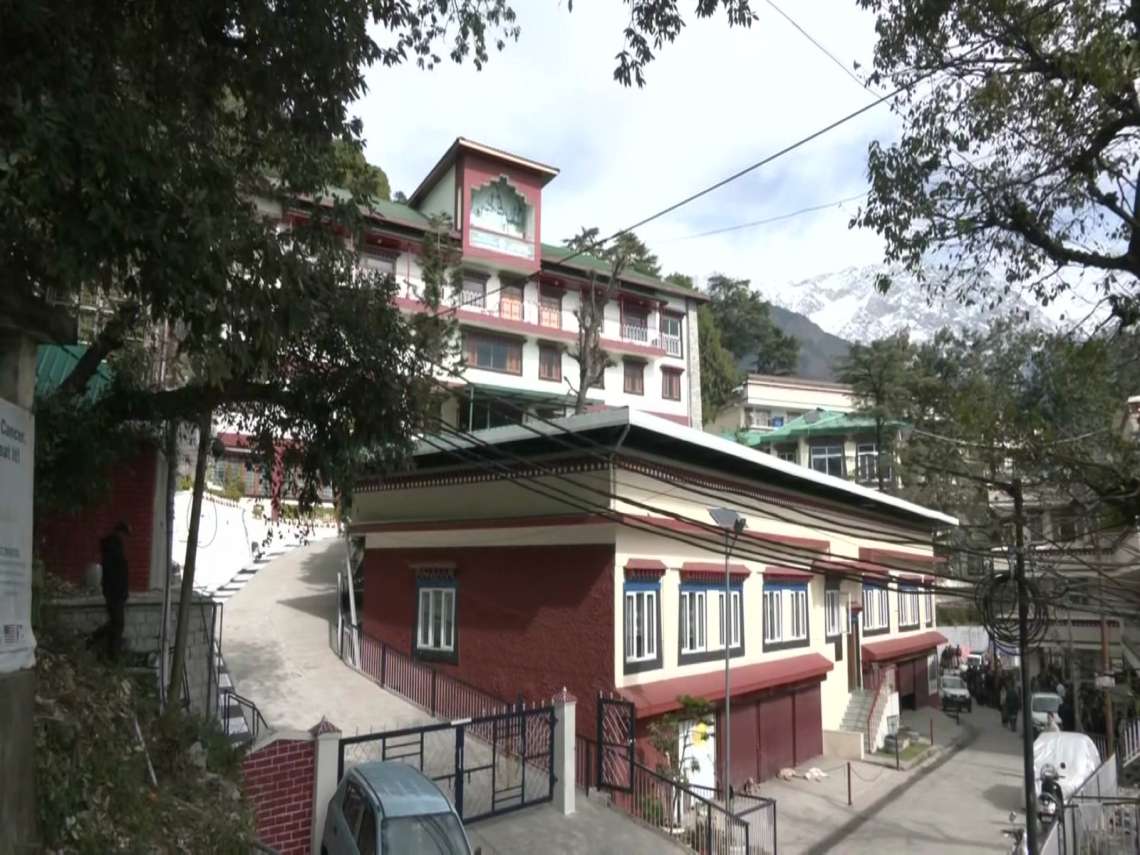
Speaking to ANI, CTA Chief Election Commissioner Lobsang Yeshi said the elections are distinctive not only because of their global scale but also because of their purpose. “We are not electing political leaders for the governance of a nation in the conventional sense,” he said. “We are electing representatives who can lead the struggle for the freedom of Tibet and represent the aspirations of the Tibetan people living in exile.”
According to the Election Commission, extensive preparations have been made to ensure the smooth conduct of the polls. More than 80 regional election commissioners have been appointed, and nearly 309 polling booths have been established across different countries. Around 1,800 personnel, including election officials, observers and volunteers, have been deployed to manage voting and ensure transparency.
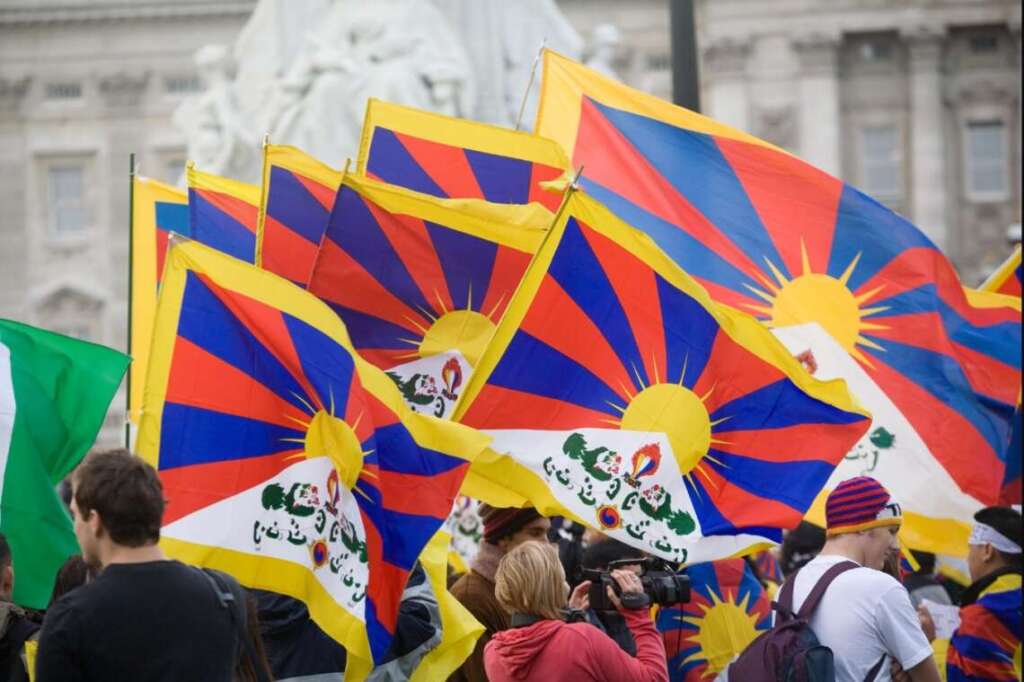
The February 1 voting will mark the preliminary round of the election process. The final list of candidates is yet to be confirmed at this stage. The second and final phase of elections is scheduled to be held on April 26, 2026, when the Sikyong and members of the Tibetan Parliament-in-Exile will be formally elected.
Yeshi also said special arrangements may be made if Tibetan spiritual leader the 14th Dalai Lama decides to cast his vote. “We are not very sure at the moment, but in the past His Holiness has participated in the elections,” he said. “He is currently residing in South India, and if required, we will instruct regional election commissioners to make appropriate arrangements.”
Addressing concerns over possible external interference, Yeshi acknowledged that China had previously attempted to influence the Tibetan electoral process but said such efforts had been unsuccessful. “They have tried earlier and failed, and we are confident that this time too the elections will be held smoothly,” he said. He added that some polling stations, particularly in politically sensitive countries, have been categorised as sensitive due to external pressure and security concerns.
Members of the Tibetan community in exile expressed pride and enthusiasm ahead of the polls, describing the elections as a powerful affirmation of democratic values despite decades of displacement. Environmentalist Tempa Gyaltsen said the global nature of the voting reflects the strength of Tibetan democracy. “One-day elections will happen in 27 countries across the globe,” he said. “When it comes to democracy, people’s rights and freedom, we are ahead of China.”
Another exiled Tibetan, Thubten, who works with the CTA’s finance department, said the election sends a strong message to Beijing. “People inside Tibet do not have the right to decide their own future,” he said. “The democratic process we follow here shows that the CTA is the genuine and legitimate representative of the Tibetan people, both inside Tibet and in exile.”
Thubten added that despite attempts to suppress dissent within Tibet, the loyalty of the people remains firmly with the Dalai Lama and the leadership in exile. “Their hearts and minds will always be with His Holiness and the Central Tibetan Administration,” he said.
Reiterating the significance of the polls, the Tibetan Election Commission said the elections symbolise the continued aspirations of the Tibetan people and their commitment to democratic principles. Even after decades in exile, the commission said, Tibetans around the world continue to uphold democratic participation as a core value of their collective identity.