Finance chiefs confront trade disputes, mounting debt and economic uncertainty at US-hosted meeting..reports Asian Lite News Desk
Finance ministers and central bank governors from the world’s largest economies are gathering in the Blue Ridge Mountains of North Carolina for two days of high-level talks, with reviving global growth taking centre stage amid trade tensions, mounting debt and the economic fallout of the Iran conflict.
US Treasury Secretary Scott Bessent will host the G20 Finance Ministers and Central Bank Governors meeting in Asheville on Monday and Tuesday, as Washington seeks to make economic growth the central focus of its year-long presidency of the grouping.
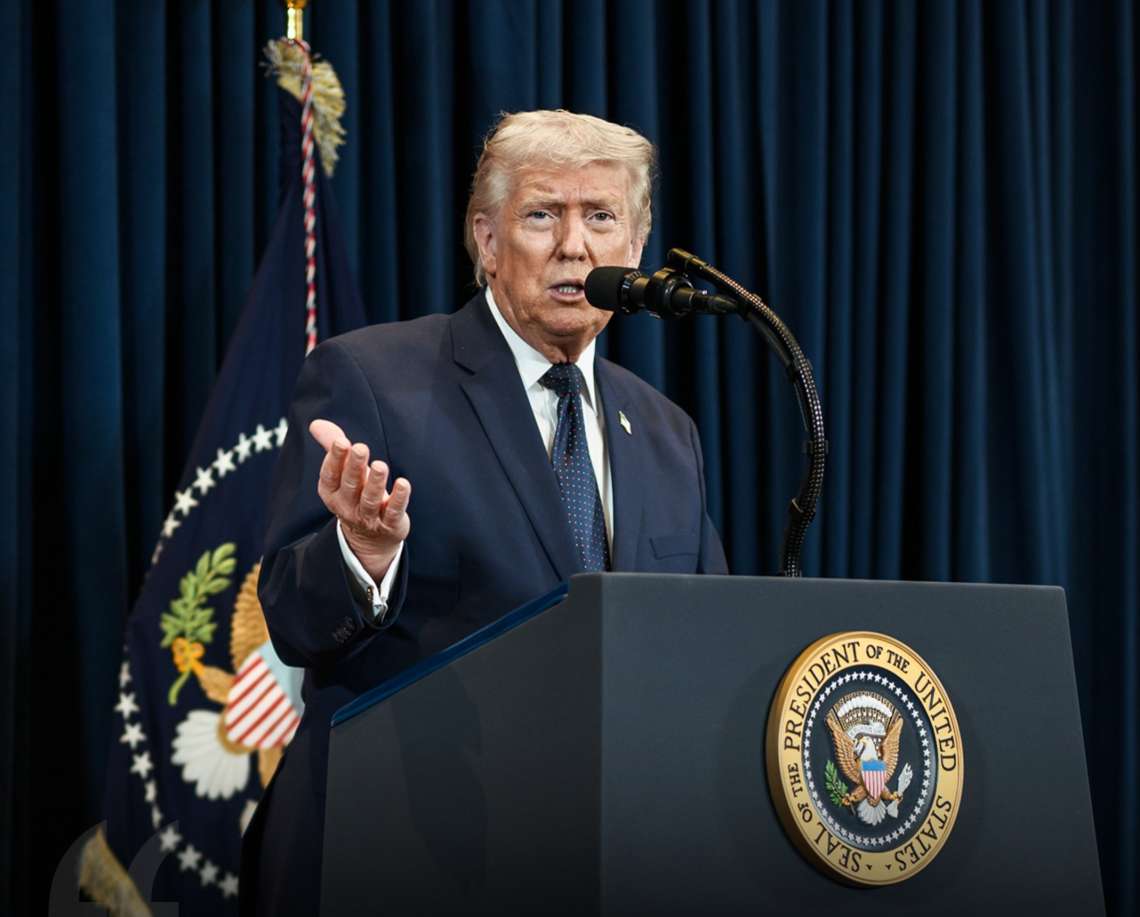
“Just as President Trump is reviving American economic growth and making it the centerpiece of this Administration’s agenda, we are taking the same approach and prioritizing growth as the host of this year’s G20 Finance Track,” Bessent said on Sunday.
“We look forward to convening policymakers and private sector leaders from around the globe to emphasize that stronger growth is not only possible, but necessary,” he added.
The US presidency has outlined an agenda focused on boosting global growth, reducing persistent economic and trade imbalances, addressing sovereign debt vulnerabilities and strengthening critical supply chains.

The meeting comes at a challenging time for the global economy, with higher energy and commodity prices linked to the Iran conflict and disruptions to commercial shipping through the Strait of Hormuz adding to economic uncertainty.
Washington is also expected to press G20 members to support tougher economic measures against Iran, though differences over sanctions and continued commercial ties with Tehran could complicate efforts to reach a common position.
Trade is likely to emerge as another contentious issue. The Trump administration has argued that major economies should compete through productivity, innovation and investment rather than subsidies, excess industrial capacity and export-driven policies.
While US officials have not explicitly named China in outlining the agenda, Washington has repeatedly raised concerns about Chinese industrial overcapacity and its impact on global markets.
Debt pressures facing developing economies and barriers to private-sector investment are also expected to feature prominently in the discussions. Business and technology executives have been invited to participate in parts of the programme to identify regulatory and policy obstacles to investment.
Indian Finance Minister Nirmala Sitharaman arrived in the US on Sunday and will lead the Indian delegation at the G20 meeting and related discussions over the next two days, according to India’s Ministry of Finance.
Saudi Finance Minister Mohammed Al-Jadaan said the gathering would review developments in the global economy and continue joint efforts to address challenges while supporting “growth, stability, and prosperity.”
Japanese Finance Minister Satsuki Katayama and Bank of Japan Governor Kazuo Ueda are also among the publicly confirmed participants, alongside Bessent and Federal Reserve Chair Kevin Warsh.
Representatives from the G20’s 19 member countries, the European Union and African Union are expected to attend, along with officials from major international financial institutions.
The Asheville meeting is expected to seek broad agreement on strengthening growth, tackling economic imbalances, managing debt risks and improving supply-chain resilience. However, divisions over Iran, tariffs and China could make it difficult to produce an expansive consensus document, potentially resulting in a narrower communiqué or a chair’s summary.
The Finance Track deliberations will help shape the economic agenda ahead of the G20 leaders’ summit, scheduled to be hosted by President Donald Trump in Miami in December.