The 15-member Palestinian body will be headed by Ali Shaath, a former deputy minister in the Palestinian Authority, according to a joint statement by mediators Egypt, Qatar and Turkiye
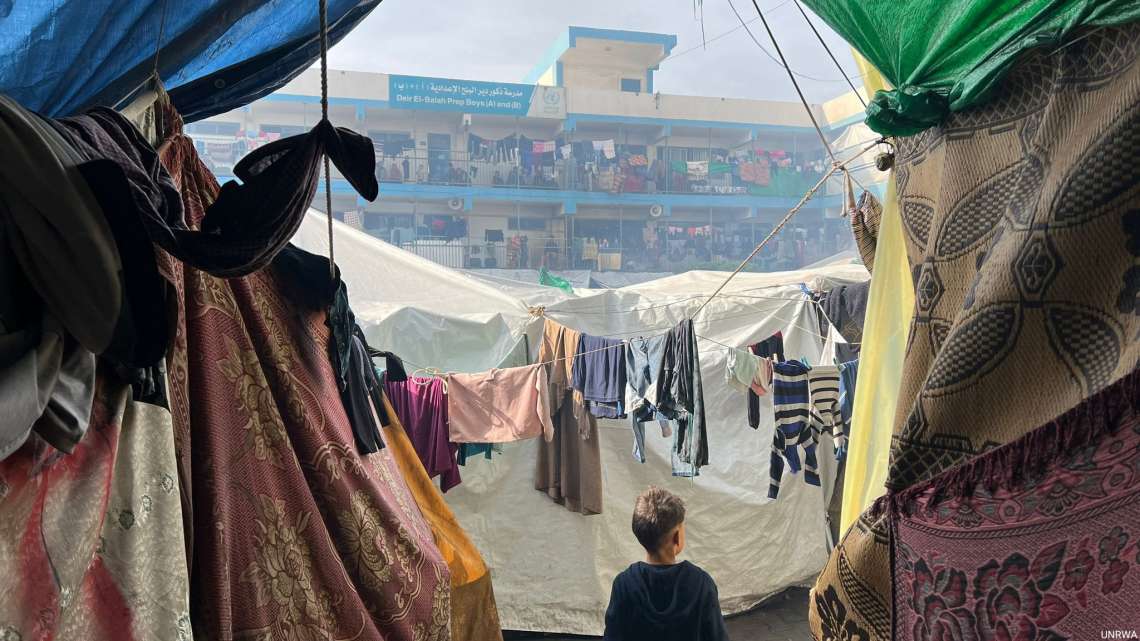
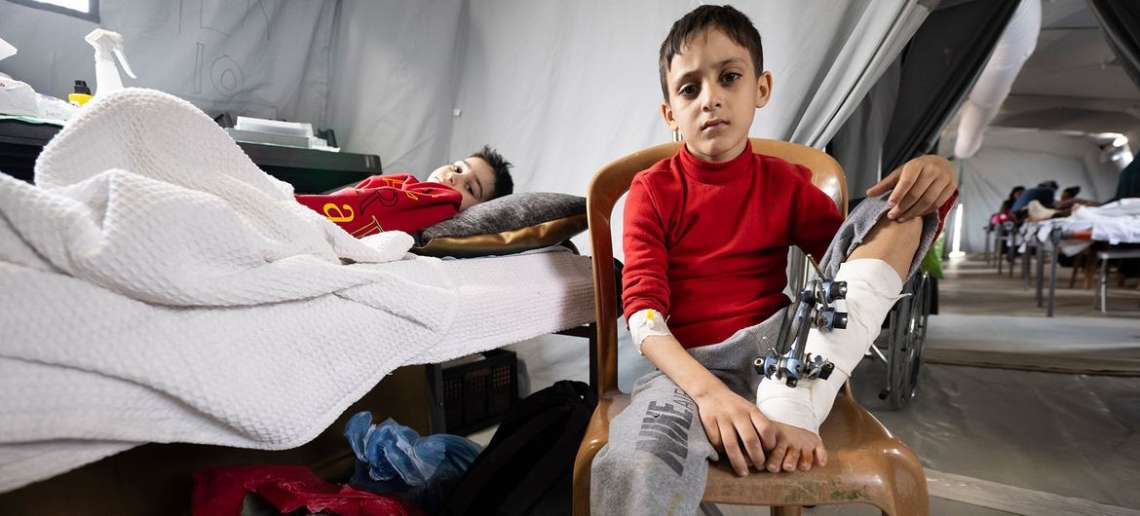
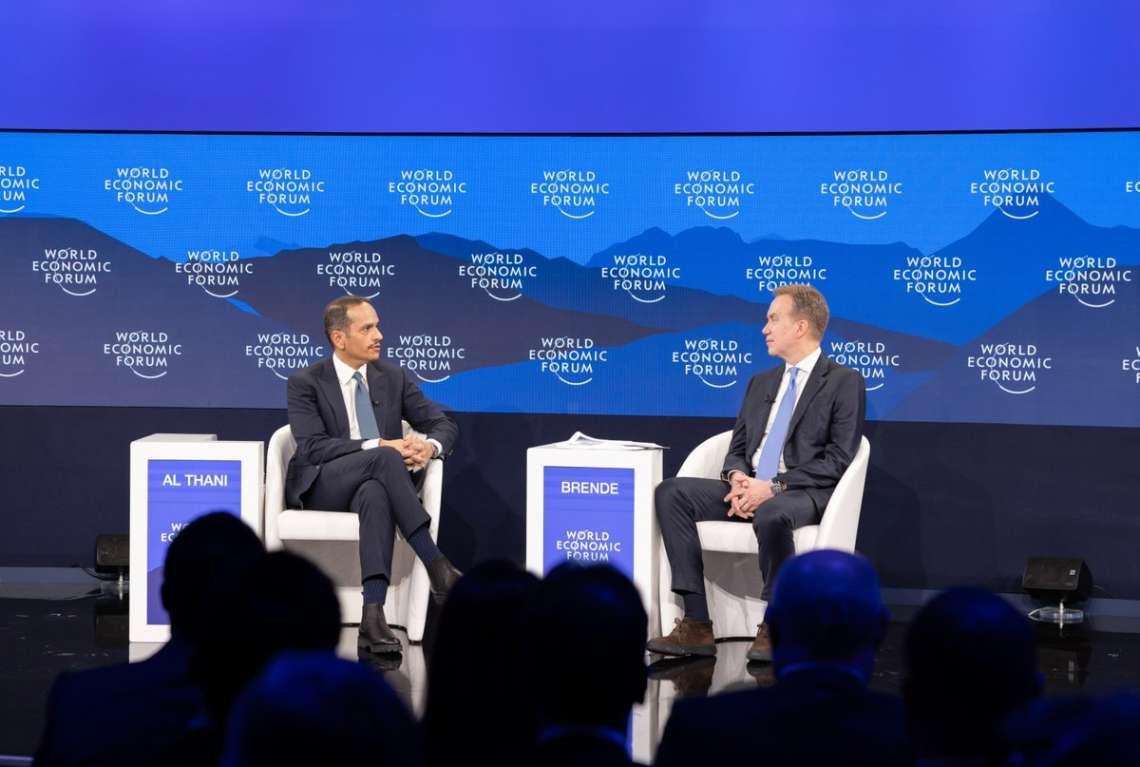
Humanitarian aid for Gaza is still being restricted, and Qatar is working with its partners to ensure that changes, the country’s prime minister told Davos on Tuesday.
“The humanitarian situation (in Gaza) may be better than last year, but it still needs a lot of intervention. A lot of humanitarian aid is still not allowed to enter because of restrictions, and we need to have unrestricted access for humanitarian aid for the people,” Sheikh Mohammed bin Abdulrahman told President and CEO of the World Economic Forum Borge Brende.
“We are working together very closely with our colleagues in the United States, Egypt, and Turkiye in order to ensure that there is a mechanism that supports the technocratic government that’s just been established in Gaza, in order to enable them to help the people and deliver a better life for the people,” he said.
The premier’s comments come a week after US Envoy Steve Witkoff announced the start of phase two of President Donald Trump’s plan to end the war in Gaza, with a technocratic Palestinian government established in the territory.
The 15-member Palestinian body will be headed by Ali Shaath, a former deputy minister in the Palestinian Authority, according to a joint statement by mediators Egypt, Qatar and Turkiye.
On Friday, an official from the UN Office for the Coordination of Humanitarian Affairs said that the humanitarian crisis in Gaza is far from over. “For the Palestinians in Gaza, their lives continue to be defined by displacement, trauma, uncertainty, and deprivation,” Olga Cherevko said.
She said that aid restrictions are preventing Gazans from accessing the help that they desperately need. “Due to various impediments and restrictions placed on organisations operating in Gaza and specific types of supplies that could enter, we could basically only apply Band-Aids to a wound that can only be closed with proper care,” she said.
Restrictions on both aid agencies and critical supplies must be lifted, early recovery must be funded and enabled, and donor support must continue, Cherevko added. Speaking about the situation in the Syrian Arab Republic, Sheikh Mohammed said that the country had been through a very difficult 15 years and that such turmoil would always have consequences.
“We know that it’s not easy to come to a country after a civil war and to start rebuilding the institutions, state and systems. It’s a difficult job, and the Syrian government needs help, and they’ve been asking for this help, and we are all trying to help them reach that stage,” he said. “The beauty of Syria is its diversity, the social fabric of Syria that has been there for centuries, not something new. I believe that everyone in Syria wants to see a stable Syria, wants to ensure that they are treated equally and their rights are protected, and it’s their right.”
The prime minister said the international community should help the Syrian government build a state, institutions and an inclusive system that extends to all Syrians. “You cannot build a state without building a proper institutional system that includes everybody,” he said.
On Tuesday, the Syrian government announced a new four-day truce after a previous ceasefire between government forces and the Kurdish-led Syrian Democratic Forces broke down. In a statement carried by state media, the Syrian presidency said that “a joint understanding has been reached between the Syrian government and the Syrian Democratic Forces on a number of issues concerning the future of Hasakah province,” adding that the SDF has “four days for consultations to develop a detailed plan” for the area’s integration, beginning at 8:00 p.m. on Tuesday. It said that if the agreement is finalized, Syrian forces “will not enter the city centers of Hasakah and Qamishli … and Kurdish villages.”
Turning to the Qatari economy, the prime minister said the country is uniquely positioned when it comes to the supply of energy. “This revolution that you see in AI and technology will require (energy) to power data centers that they will need. Qatar is at the center of this progress and development,” he said.
He added that the country aims to help domestic companies compete globally and is planning new platforms to support this effort later this year.