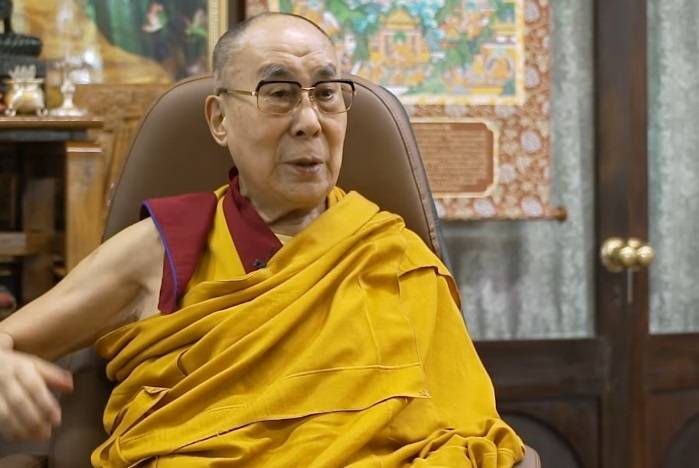
Dalai Lama’s Grammy win sparks celebrations across India and Tibetan exile circles, while China lashes out, reigniting political tensions around the spiritual leader’s global influence
The Dalai Lama’s latest international recognition has struck a powerful chord in India and among Tibetans living in exile, while once again exposing the sharp political fault lines surrounding his global stature. The Tibetan spiritual leader won a Grammy Award for Best Audiobook Narration for Meditations: The Reflections of His Holiness the Dalai Lama, an honour that has been widely welcomed by Indian political figures and Tibetan leaders, even as China moved swiftly to condemn the decision as politically motivated.
The award, announced on Sunday, marks a rare moment in which a spiritual figure has been recognised by the global music industry for spoken-word work. The audiobook, built around reflections on compassion, mindfulness and universal responsibility, captures the Dalai Lama’s calm, deliberate voice as he addresses themes that have long defined his public life. Supporters say the recognition underlines the continued global resonance of his message at a time of growing conflict and polarisation worldwide.
Congratulatory messages poured in soon after the announcement, particularly from India, where the Dalai Lama has lived in exile since fleeing Tibet in 1959. Sikkim Chief Minister Prem Singh Tamang was among the first to publicly welcome the honour, describing it as a celebration of a lifetime devoted to compassion and wisdom. In a message shared on social media, Tamang said the award recognised teachings that have guided countless people towards inner peace and a deeper understanding of shared human interconnectedness, adding that the Dalai Lama’s meditations continued to sow seeds of kindness and ease suffering across the world.
Senior political figures also joined the chorus of praise. Rajeev Chandrasekhar, the Bharatiya Janata Party’s state president in Kerala, congratulated the Dalai Lama on what he described as his first Grammy win. Chandrasekhar said he had been privileged to know the Tibetan leader for many years and to work closely with him in support of the Tibetan cause in India, stressing that the message of peace, compassion and mindfulness carried by the audiobook was precisely what the world needed at this moment.
For the Tibetan exile community, the Grammy victory was seen as far more than a cultural achievement. Dolma Tsering Teykhang, Deputy Speaker of the 17th Tibetan Parliament-in-Exile, described the award as historic and deeply meaningful not only for Tibetans, but for humanity as a whole. She said the recognition affirmed the universal relevance of the Dalai Lama’s teachings, which transcend cultures and religions, and expressed hope that the honour would encourage millions to choose empathy, understanding and peaceful coexistence.
The celebrations, however, were matched by a sharp rebuke from Beijing. China has long regarded the Dalai Lama as a separatist figure and routinely objects to any international recognition of his work or influence. Responding to the Grammy announcement, Chinese Foreign Ministry spokesperson Lin Jian dismissed the honour, reiterating Beijing’s position that the Dalai Lama is a political exile engaged in anti-China activities under the guise of religion.
China’s reaction reflects the enduring sensitivity surrounding the Tibetan leader’s global standing. Despite stepping back from political leadership roles within the Tibetan movement in recent years, the Dalai Lama remains a potent symbol of Tibetan identity and resistance for many, and a source of diplomatic friction for Beijing whenever he receives international attention.
For supporters, the Grammy win reinforces the idea that the Dalai Lama’s appeal lies not in politics but in universal values. They argue that the recognition of a spoken-word work centred on compassion and mindfulness highlights a global hunger for messages that promote calm reflection and ethical responsibility, particularly in an era marked by war, social division and environmental anxiety.