The IAEA has referred Iran to the UN Security Council over nuclear non-compliance, escalating tensions as Tehran restricts inspectors from accessing key facilities, reports Asian Lite News Desk
The International Atomic Energy Agency (IAEA) has referred Iran to the UN Security Council over what it describes as Tehran’s failure to meet its nuclear obligations, in the first such move by the watchdog in two decades.
The IAEA Board of Governors approved a resolution in Vienna calling on Director General Rafael Grossi to report Iran’s non-compliance to the Security Council.
The resolution cites the lack of reliable information about Iran’s nuclear material, including its stockpile of highly enriched uranium, as well as continued restrictions on access for IAEA inspectors.
The measure was backed by 23 countries, while eight abstained. China, Russia and Niger voted against it. The resolution was jointly tabled by the UK, France, Germany and the United States.
Iran strongly condemned the decision, arguing that military strikes against its nuclear facilities by Israel and the US had disrupted the agency’s ability to carry out inspections.
Iranian deputy foreign minister Kazem Gharibabadi accused Western countries of using the disruption caused by the attacks as a justification for the resolution.
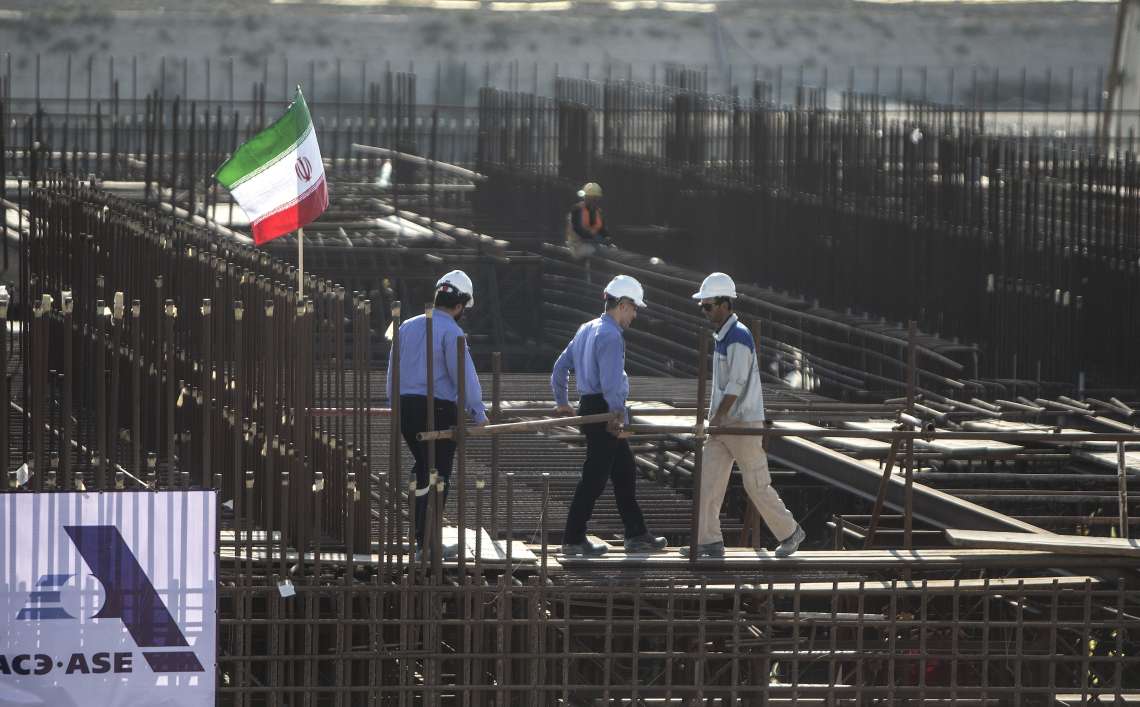
IAEA inspectors have not had access to Iran’s nuclear facilities since Israeli and US strikes during a 12-day conflict in June 2025. Iranian sites, including the Natanz and Fordo enrichment facilities, were targeted again during the latest war, which began on February 28.
Tehran maintains that its nuclear programme is exclusively peaceful and says inspections should form part of a wider settlement to end the conflict.
The US, Israel and several European governments remain concerned that Iran could use its nuclear programme to develop weapons. Senior US officials estimated that Iran held about 440kg of uranium enriched to 60 per cent when the latest conflict began.
Despite the IAEA referral, new UN sanctions appear unlikely because Russia and China, both permanent members of the Security Council, can veto such measures.