Manchester convention showcases India’s diversity, bringing Odia, Punjabi and Sikh traditions together under one roof, Rahul Laud reports
MANCHESTER: Odisha and Punjab came together in a vibrant celebration of culture, heritage, spirituality and community service as the Odisha Society of United Kingdom (OSUK) hosted its 47th Annual Convention at Parrs Wood School, Manchester, on August 29 and 30.
The two-day convention brought together members of the Odia, Punjabi and Sikh communities, along with artists, professionals, families, young people and friends of Odisha from across the UK, Ireland and overseas.
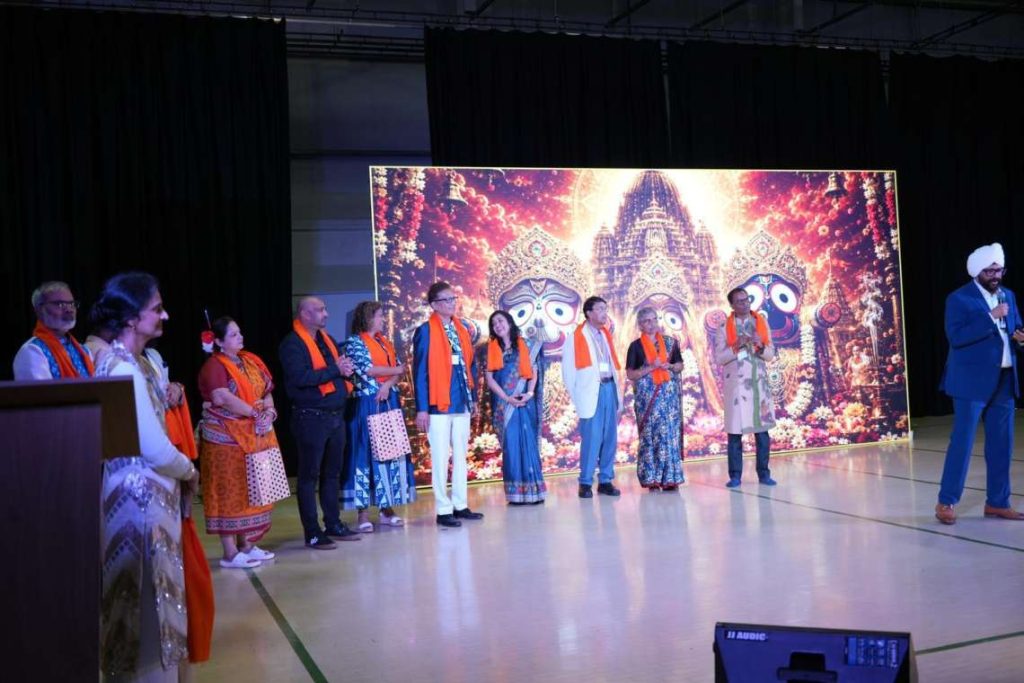
With Odisha and Punjab as its central themes, OSUK 2026 presented a colourful mosaic of Indian culture through classical and folk dance, music, theatre, literature, history, spirituality, sport, food and community service.
The Consul General of India in Manchester, Mrs Vishakha Yaduvanshi, attended the cultural performances and praised the organisation, richness and inclusive character of the convention.
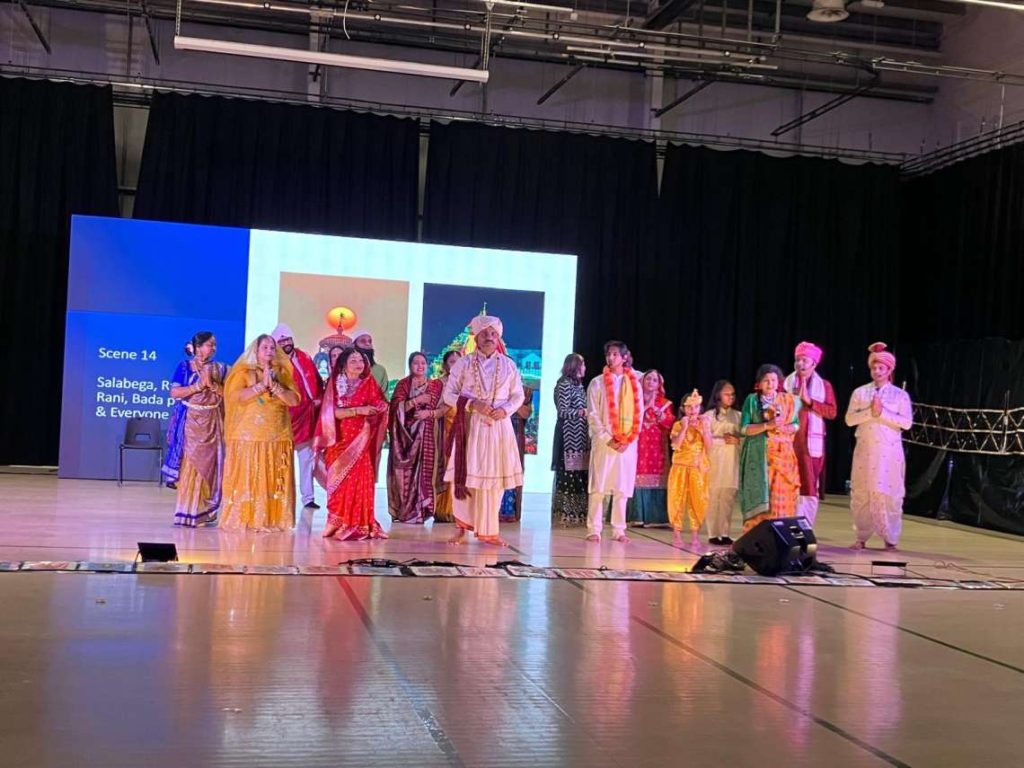
The underlying message was unmistakable: India’s diversity is not a divide but a source of strength, with different regions, languages, faiths and traditions enriching one another within the wider Indian diaspora.
From Puri to Punjab
One of the convention’s most distinctive highlights was the audio-visual presentation “Puri to Punjab”, which explored the historic and spiritual links between Odisha and Sikhism.
The presentation drew connections between the spiritual traditions of Jagannath Puri, Sikh history, the creation of the Khalsa Panth and the sacrifices of the Sikh Gurus, offering audiences an unusual perspective on the cultural and spiritual bridges between the two regions.
The Odisha segment came alive through performances by award-winning Odissi exponent Saswat Joshi and his team, celebrating the state’s classical and folk traditions.
Artists including Bhagyalipi Malla, Jayashree Dhal, Zayaa, Sagarika Mohanty and Sonal Acharya added depth and variety to the presentation. Tributes to Prabhu Jagannath, a dramatic portrayal of Goddess Durga and Mahishasura, and a lively Sambalpuri presentation were among the highlights.
Eminent Odissi dancer Premanand Sahu also enthralled the audience with his performance.
Music added another dimension to the evening. Hindustani classical vocalist Vijay Rajput, accompanied by his son Jai Rajput on tabla and Dr Kapilmeet Kaur on harmonium, presented a repertoire of classical and devotional music.
Kathak teacher and dancer Kajal Sharma and her students presented three performances, while the North-West Ladies’ Sambalpuri Dance brought further colour and energy to the programme.
Salabega to Bhangra
Theatre found its place through “Salabega”, written and directed by Dr Anjana Satpathy, who also played the lead role. Her daughter, Praanjol Nanda, presented the classical Odissi performance “Ahe Nila Saila”, creating a striking generational connection through art.
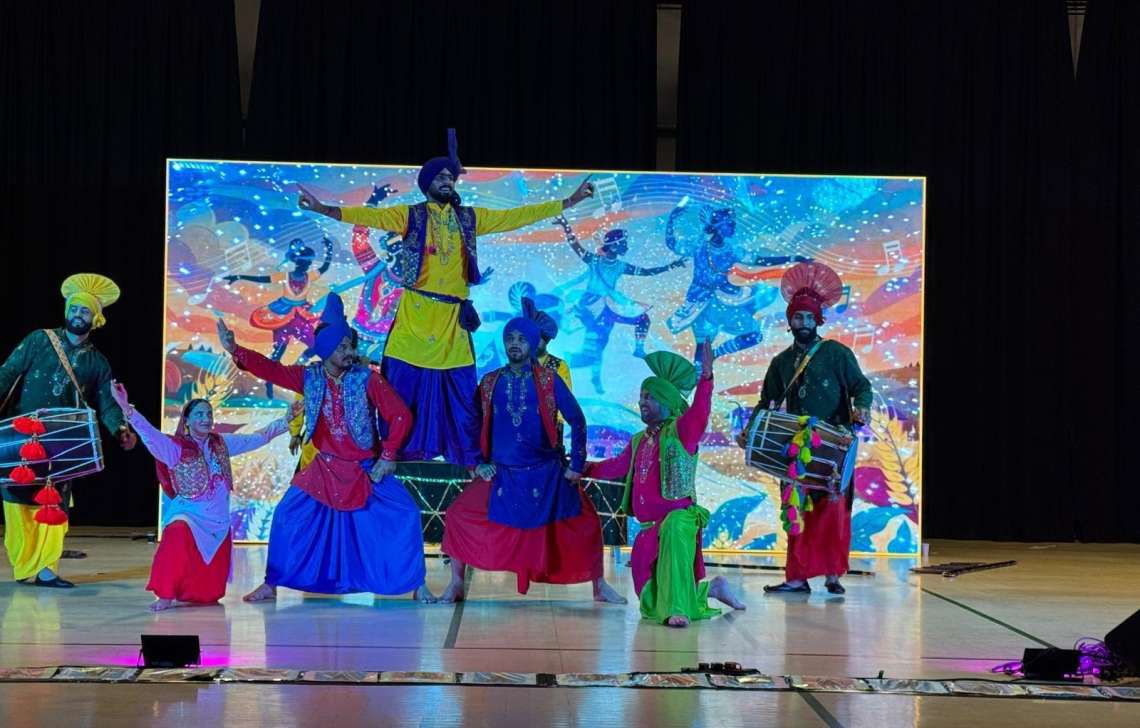
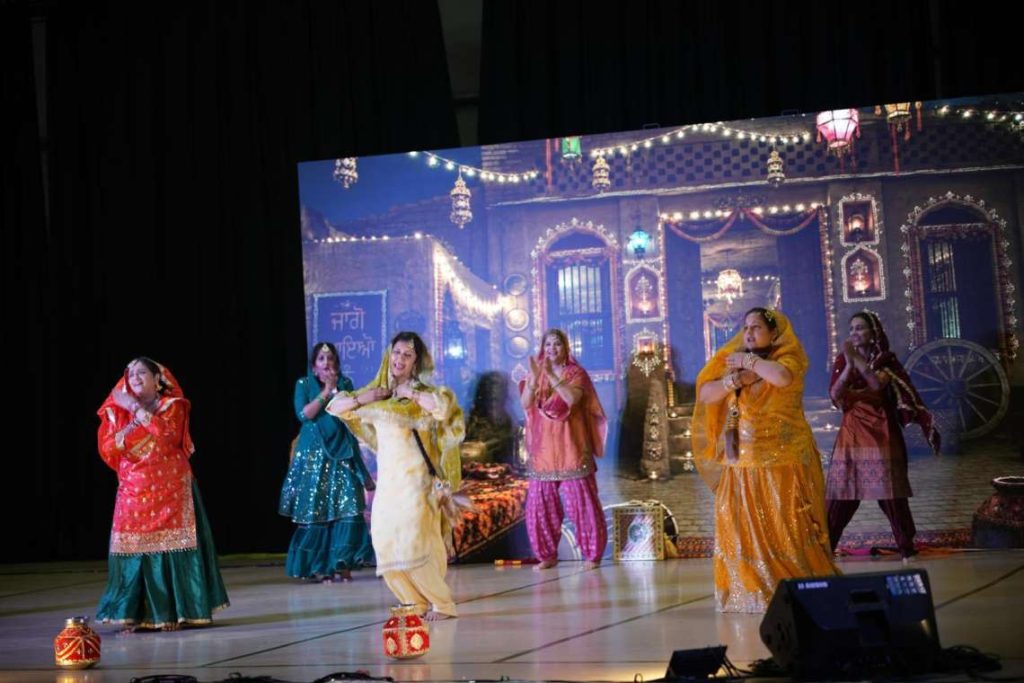
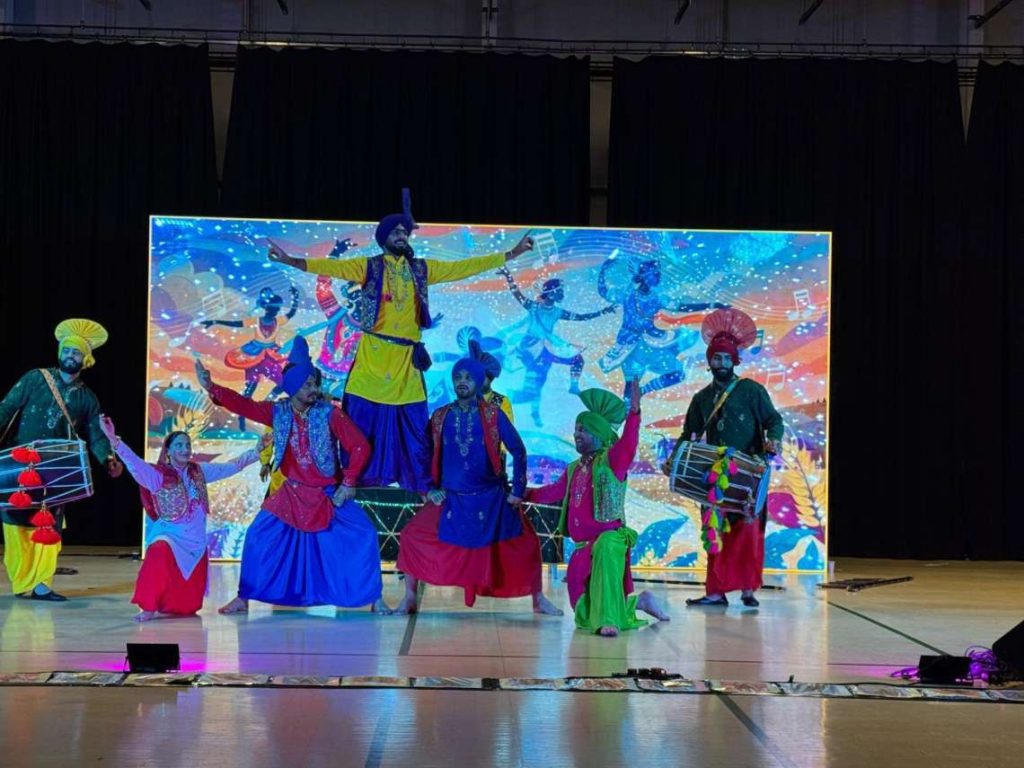
The Punjabi flavour was equally strong. A spirited Giddha performance led by Dr Kapilmeet Kaur was followed by a high-energy Bhangra presentation by Birmingham-based Gabru Punjab De.
The result was a cultural dialogue on stage — Odissi meeting Giddha, Sambalpuri meeting Bhangra, and Odisha’s spiritual traditions meeting Punjab’s vibrant community spirit.
Culture with a purpose
OSUK 2026 went beyond entertainment, placing considerable emphasis on social responsibility, education and community welfare.
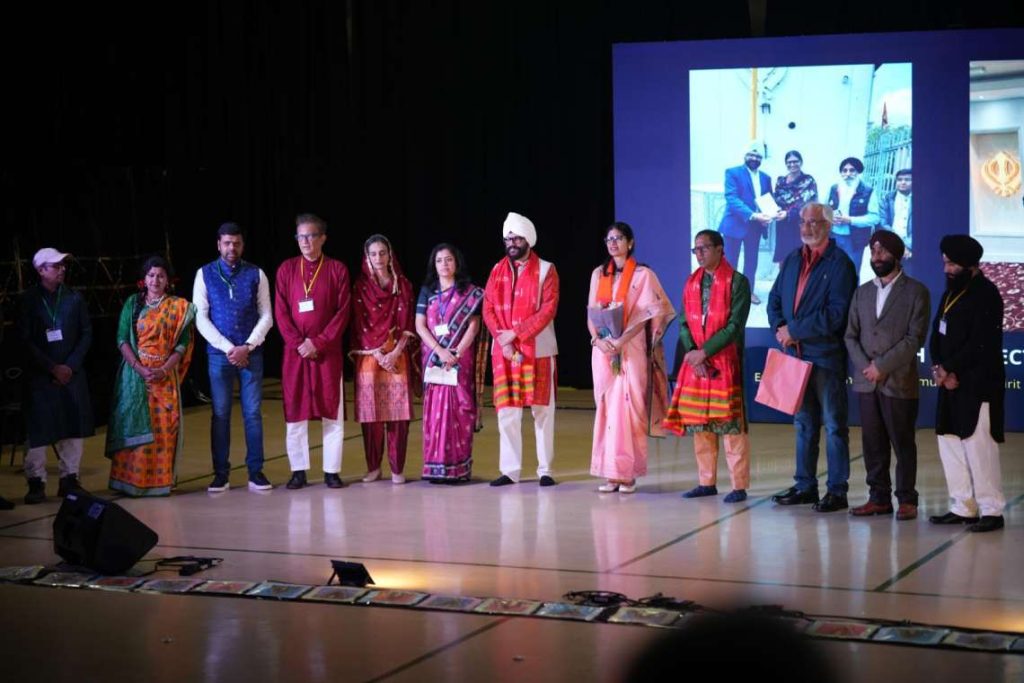
Among the distinguished guests was Professor Jas Bamrah, former President of the British Association of Physicians of Indian Origin. The convention also highlighted the Educate Punjab Project, led by Jaswinder Singh Kohli, which focuses on education, mentorship and opportunities for young people in Punjab.
A special audio-visual presentation, conceived and conducted by Dr Rajinder Pal Singh, brought together Professor Saroj Das, Professor Siba Senapati, Dr Anjana Satpathy and Professor Usha Rout. The presentation highlighted personal courage, professional dedication and the importance of cancer awareness, screening, early detection and community support.
Kulwant Singh Dhaliwal of World Cancer Care addressed the gathering on positive thinking, cancer awareness and the importance of bringing communities together.
Honouring achievement
OSUK 2026 also recognised achievements across medicine, literature, culture, sport and community service.
An Outstanding Achievement Award was presented to Sahdev Swain for his contribution as a doctor and literary personality. Rekha Senapati, winner of the British Citizen Award, was also recognised.
The convention welcomed marathon runner Madhusmita Jena, who made history as the first person to run the London Marathon wearing a saree.
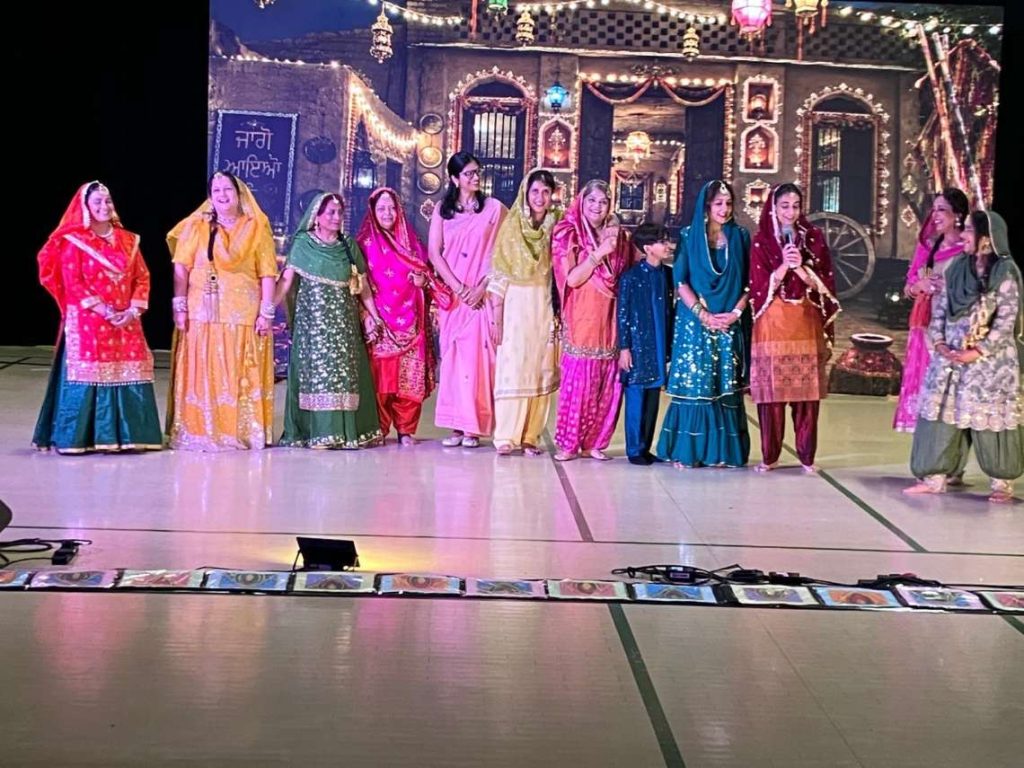
The OSUK journal, Kalinga Kesari, edited by Dr Rajinder Pal Singh, was presented as a lasting record of the convention and its diverse programme.
Delegates and supporters travelled to Manchester from London, Birmingham, Leicester, Ireland and other parts of the UK, underlining the convention’s growing reach across the diaspora.
Looking ahead
The organisation’s Annual General Meeting also took place during the convention, with President Biswajit Pradhan, Secretary Sukant Kumar Sahu and Treasurer Kishore Dash presenting plans and outlining the future direction and activities of OSUK.
If the 47th convention had one defining message, it was that cultural identity grows stronger when shared with openness and respect.
For two days in Manchester, Odissi and Giddha, Sambalpuri and Bhangra, Odia heritage and Punjabi hospitalitycame together — not merely as performances, but as expressions of friendship, remembrance, spirituality, service and a shared Indian identity.
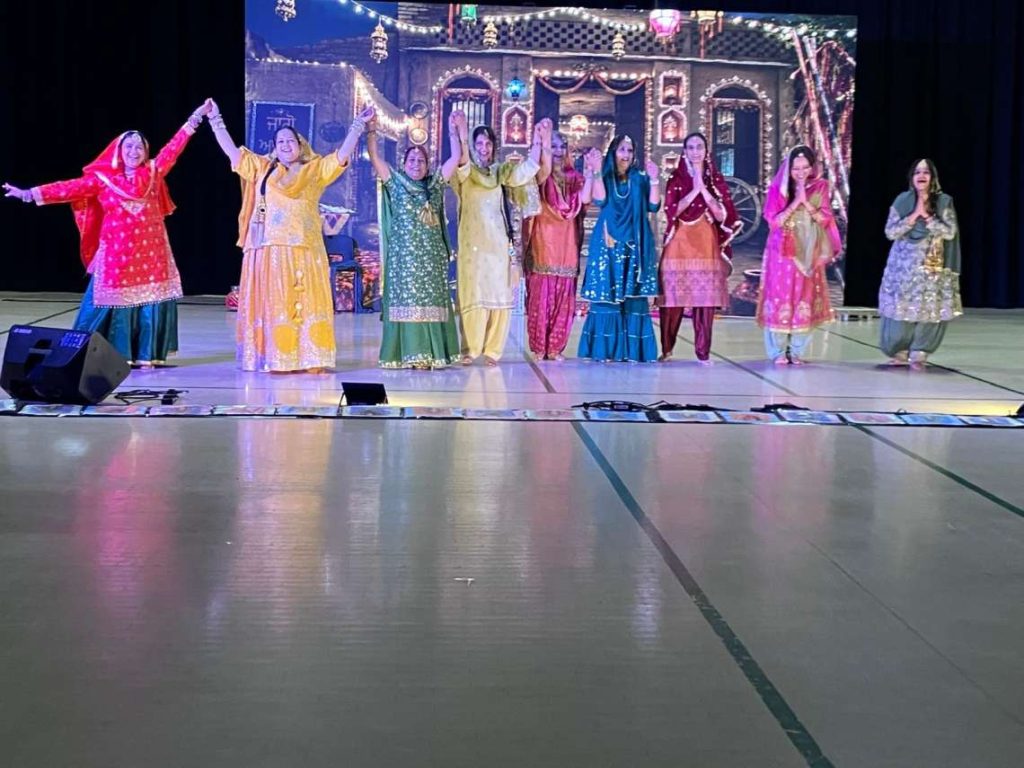
OSUK 2026 ended on a high note, reaffirming the society’s role as a bridge between communities and generations — and turning a celebration of Odisha into a wider celebration of India.