UN Special Rapporteur Richard Bennett warns that five years of Taliban rule have severely restricted education, freedom and opportunities for Afghanistan’s children…reports Asian Lite News Desk
Five years after the Taliban seized power in Afghanistan, the forceful implementation of highly restrictive policies is reshaping daily life and having devastating consequences for children and young people, UN Special Rapporteur Richard Bennett has warned.
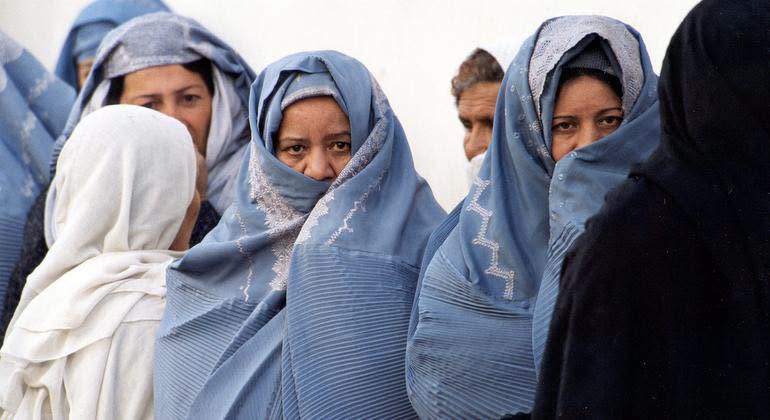
In a new report to the UN Human Rights Council, Bennett said that while security had improved in some areas, the Taliban’s institutionalised system of discrimination, repression and ideological control was depriving children of fundamental rights, including access to quality education, freedom of expression and meaningful participation in social and public life.
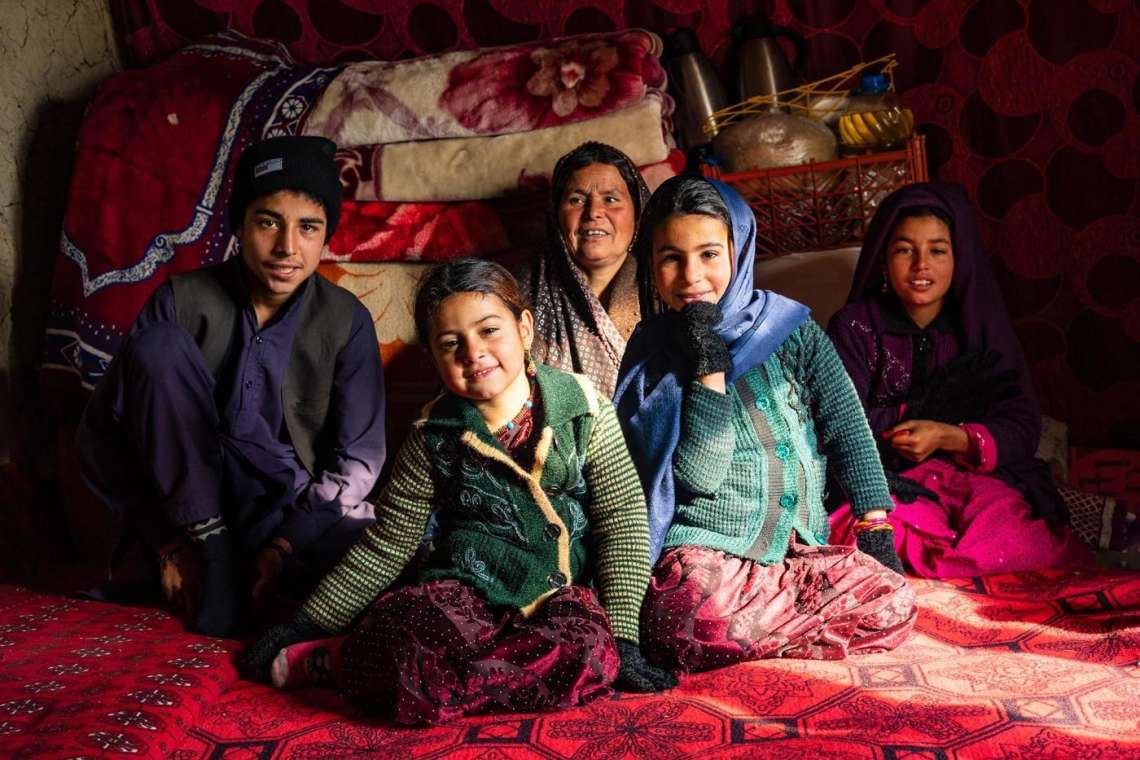
“Afghanistan’s children are growing up in an environment where discrimination, especially against girls and women, is being normalised, they are denied the right to learn and their opportunities for the future are dramatically shrinking,” Bennett said.
He expressed particular concern over the continued ban on girls’ education beyond the sixth grade, as well as growing exposure among children and young people to gender-based violence, forced and child marriage, child labour, indoctrination and pressure to conform to restrictive ideological expectations.
Bennett said the policies were not only violating children’s rights in the present but also undermining their ability to shape their own futures.
“For girls in particular, the systematic denial of education is closing doors that may never reopen,” he said, warning of serious consequences for their mental health and Afghanistan’s broader development.
The report said children were facing these challenges against a backdrop of decades of conflict, widespread poverty and unmet humanitarian needs.
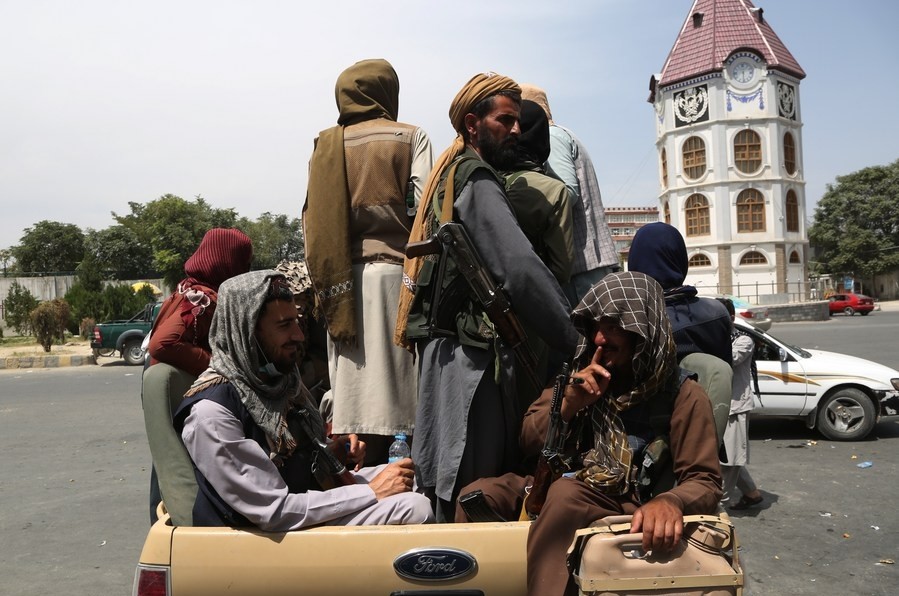
According to Bennett, the dismantling of Afghanistan’s legal framework and the weakening or repurposing of institutions that previously protected children’s rights had left children more vulnerable to violence, abuse and exploitation.
Children living in poverty or remote areas, those with disabilities, members of marginalised religious or ethnic communities, and children who have been displaced or returned from abroad were identified as particularly vulnerable.
Bennett also warned that restrictions on media, culture and freedom of expression were limiting the diversity of ideas and experiences available to young Afghans.
“Children need space to learn, to think freely, to express themselves and imagine a different future,” he said, adding that many were instead growing up in “fear, isolation and uncertainty”.
The situation was contributing to a growing sense of despair and, combined with limited or no access to education, could create future security challenges and fuel further migration, he warned.
However, Bennett stressed that Afghan children should not be viewed solely as victims, highlighting their resilience and determination despite the pressures they face.
Many continue to support their families and communities and pursue alternative forms of education, he said, arguing that investing in their abilities, expanding learning opportunities and listening to their voices would be essential to building a more inclusive and peaceful Afghanistan.
The Special Rapporteur urged the Taliban to end discriminatory policies and restore comprehensive education for girls. He also called for stronger child protection and justice systems, measures to prevent child and forced marriage and child labour, a ban on corporal punishment, and inclusive healthcare and social protection for children with disabilities.
Bennett also called on countries to fully fund humanitarian assistance, including alternative education pathways for girls, and expand safe pathways for Afghans at risk.
He urged greater support for mine-action programmes, youth-led initiatives and accountability mechanisms, including the International Criminal Court and the Independent Investigative Mechanism for Afghanistan.
“Five years of restrictive rule and socio-economic collapse have fundamentally altered the conditions in which Afghanistan’s children are growing up,” Bennett said.
He called on the international community to act urgently to protect children’s rights and ensure that current and future generations of Afghans retain the opportunity to shape their country’s future.