Pakistan’s Punjab government has reportedly delayed plans to restore Lahore’s historical road names after facing backlash from extremist groups…reports Asian Lite News Desk
The government in Pakistan’s Punjab province has reportedly deferred plans to restore the original historical names of roads and streets in Lahore following strong criticism from extremist groups and conservative commentators.
The proposal, approved earlier this year under the Lahore Heritage Areas Revival initiative, aimed to revive several pre Partition names associated with the city’s historical and cultural heritage.
The initiative was overseen by Punjab Chief Minister Maryam Nawaz and former Prime Minister Nawaz Sharif, according to Pakistani daily Dawn.
However, the plan triggered a backlash from hardline elements, including social media commentators and vloggers, who reportedly gave the issue a religious angle and criticised the restoration of names linked to Lahore’s pre Partition past.
Following the controversy, the Punjab government now appears to have quietly stepped back from the proposal.
When asked about the status of the plan, Lahore Deputy Commissioner Muhammad Ali Ijaz reportedly told Dawn that no final decision had been taken and discussions on the matter were still ongoing.
Over the decades, several roads and neighbourhoods in Lahore have been renamed, replacing British era and Hindu associated names with Islamic, Pakistani or local political figures.
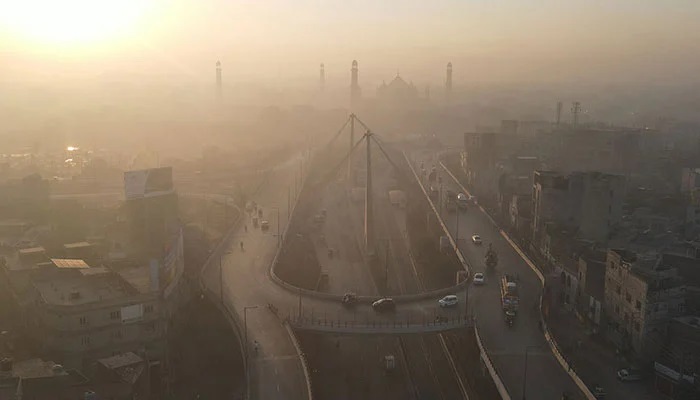
Among the notable changes, Queen’s Road became Fatima Jinnah Road, Krishan Nagar was renamed Islampura, Temple Street became Hameed Nizami Road, while Laxmi Chowk was renamed Maulana Zafar Ali Khan Chowk.
Other changes included Dharampura becoming Mustafabad, Brandreth Road renamed Nishtar Road, and Jain Mandir Road changed to Babri Masjid Chowk.
The controversy comes amid broader concerns over growing religious intolerance and pressures faced by minority communities in Pakistan.
Earlier this month, minority rights organisation Voice of Pakistan Minority warned that persecution of religious minorities in Pakistan was worsening and reflected what it described as a “national failure and global indifference”.
Citing findings from the US Commission on International Religious Freedom, the organisation said Pakistan continued to remain a place where “faith can become a fatal liability”.
The rights body also warned about the increasing threat of mob violence and vigilante justice, saying unverified accusations frequently triggered attacks against vulnerable communities.
“Entire communities live under the shadow of sudden unrest, where a rumour can become a death sentence,” the organisation said, according to the report.
The latest controversy surrounding Lahore’s historical names has once again highlighted tensions between cultural preservation efforts and rising religious conservatism in Pakistan.