India reinforces six-decade UNDP partnership, pushes development-focused UN reforms and South-South cooperation, as UN-backed digital platforms strengthen healthcare, climate action and livelihoods nationwide
India has reaffirmed the centrality of development-focused multilateralism as it underscored the strength of its long-standing partnership with the United Nations Development Programme, highlighting six decades of cooperation spanning poverty reduction, climate resilience and grassroots implementation of global goals.
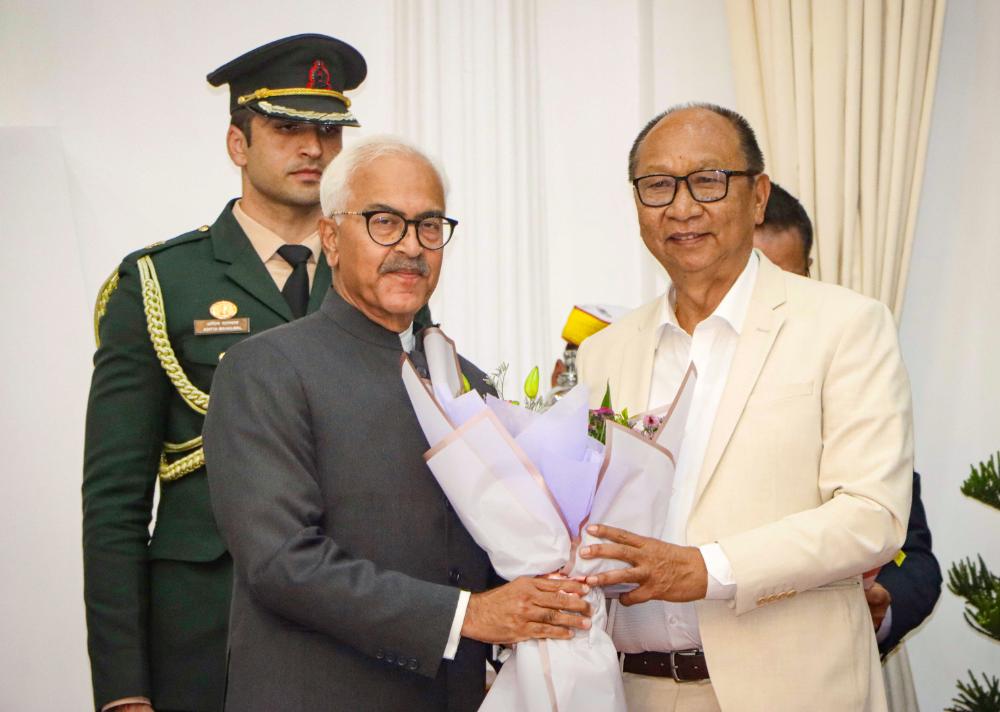
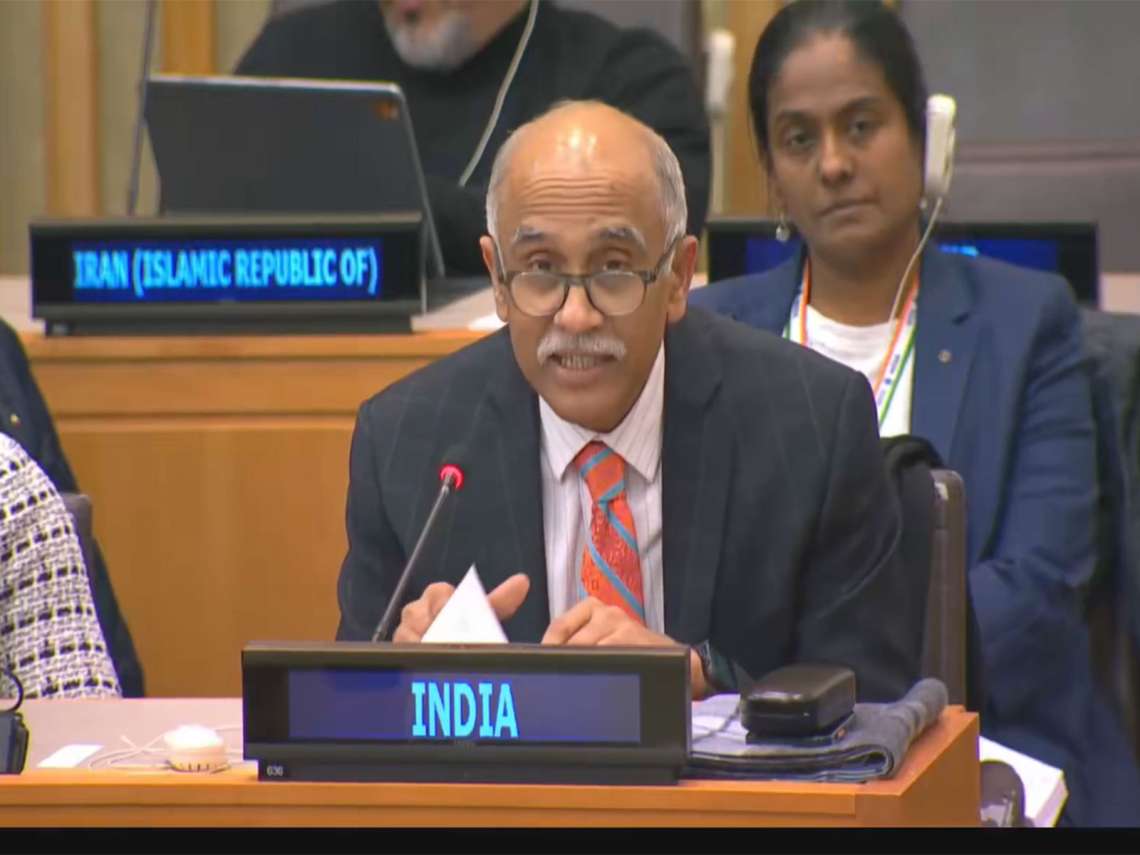
Speaking at the First Regular Session of the UNDP, UNFPA and UNOPS Executive Board in New York, India’s Permanent Representative to the United Nations, Ambassador Parvathaneni Harish, said New Delhi deeply valued its collaboration with UNDP, describing it as a critical pillar of India’s development journey. Addressing the Interactive Dialogue with the UNDP Administrator, the ambassador stressed that reforms within the United Nations system must keep development at their core while strengthening South-South cooperation among developing countries.
India’s UN mission later said in a statement that the country had reaffirmed its appreciation for UNDP’s “steadfast partnership over six decades”, highlighting cooperation across a range of priority areas including poverty reduction, climate resilience, localisation of the Sustainable Development Goals, the Lifestyle for Environment initiative, and the India-UN Development Partnership Fund. The mission added that India had emphasised the need for UN reforms to advance development outcomes and deepen collaboration between countries of the Global South.
UNDP’s operational role in India’s development landscape has expanded steadily, according to the agency’s annual report, which outlines how digital platforms have strengthened India’s immunisation ecosystem and wider public service delivery
The remarks come at a time when India is seeking to position itself as a leading voice for developing nations within multilateral forums, arguing that global institutions must be better aligned with contemporary development challenges, including climate change, inequality and digital inclusion. India has consistently called for reforms that reflect the realities of a multipolar world, particularly within the UN system.
India’s engagement with the UN also gained renewed momentum last year when it was elected to the United Nations Human Rights Council for a seventh term. On October 15, 2025, India secured a seat on the 47-member body for the 2026–28 term, a development Ambassador Harish described as a reflection of the country’s commitment to human rights and fundamental freedoms. Thanking member states for their support, he said India looked forward to serving the objective of strengthening human rights protection during its tenure.
The Human Rights Council, established by the UN General Assembly in 2006, serves as the principal intergovernmental body responsible for promoting and protecting human rights globally. It provides a forum to address violations, respond to emergencies and make recommendations to improve rights protections on the ground. India’s election for a seventh term underscores its continued engagement with the UN’s human rights architecture even as it navigates scrutiny and debate over domestic and international rights issues.
Alongside diplomatic engagement, UNDP’s operational role in India’s development landscape has expanded steadily, according to the agency’s Annual Report 2025, launched at UN House during the Country Programme Management Board meeting. The report outlines how UNDP-backed, government-led digital platforms have strengthened India’s immunisation ecosystem and wider public service delivery.
One of the flagship initiatives highlighted in the report is U-WIN, a digital platform that tracked immunisation services for 32 million pregnant women and 97 million children, helping improve coverage and monitoring. Another key system, the Electronic Vaccine Intelligence Network, enabled real-time tracking of vaccine stocks and cold-chain temperatures across 30,000 cold-chain points, covering more than 650 million doses nationwide.
Beyond healthcare, UNDP provided technical support to expand insurance coverage under India’s crop insurance programme, Pradhan Mantri Fasal Bima Yojana, extending protection to 42 million farmers. These measures, the report said, helped farming households recover faster from climate-related and income shocks, reinforcing economic security in rural areas.
UNDP’s work also extended to climate action and community resilience. Community-led restoration initiatives supported more than 63,000 people in building climate-resilient livelihoods, reducing vulnerability to environmental shocks while sustaining incomes. In 2025, UNDP supported India in designing its National Adaptation Plan as well as a gender-responsive Biodiversity Finance Plan, aligning environmental goals with inclusive development.
At the subnational level, progress was reported in translating global commitments into local action. SDG monitoring frameworks are now operational in 33 of India’s 36 states and union territories, improving how data informs planning and budgeting. The SDG Coordination and Acceleration approach has been institutionalised across key ministries, helping align policy intent with delivery on the ground.
Angela Lusigi, UNDP’s Resident Representative in India, said the country’s development progress in 2025 reflected strong government leadership in delivering at scale through public systems across health, insurance, care and climate action. She said UNDP was proud to support these efforts by strengthening technical expertise and helping public programmes respond faster when support was needed.