India and the United States are entering a critical phase of trade negotiations as both sides race to conclude an interim bilateral trade agreement before a key July 24 deadline…reports Asian Lite News Desk
India and the United States have entered the final phase of negotiations on a proposed bilateral trade agreement, with officials seeking to conclude an interim deal before the expiry of a temporary US tariff regime on July 24.
The talks gained momentum this week as US Trade Representative Jamieson Greer arrived in New Delhi for two days of ministerial-level discussions with Commerce and Industry Minister Piyush Goyal. The visit follows earlier negotiations between officials from both countries in June and comes as bilateral trade between India and the United States exceeds $140 billion.
At the centre of the negotiations is India’s effort to secure an 18 per cent tariff rate on goods exported to the United States. Indian officials believe such a rate would preserve a competitive advantage over rival exporters including Vietnam and Bangladesh, where tariff rates are expected to be higher.
Speaking on Monday, Goyal said both countries were working towards an agreement and added: “The faster, the better.” The tariff issue is particularly significant for export-oriented industries. A lower tariff rate would help Indian manufacturers remain competitive in sectors such as textiles, apparel, leather goods, gems and jewellery, pharmaceuticals and auto components.
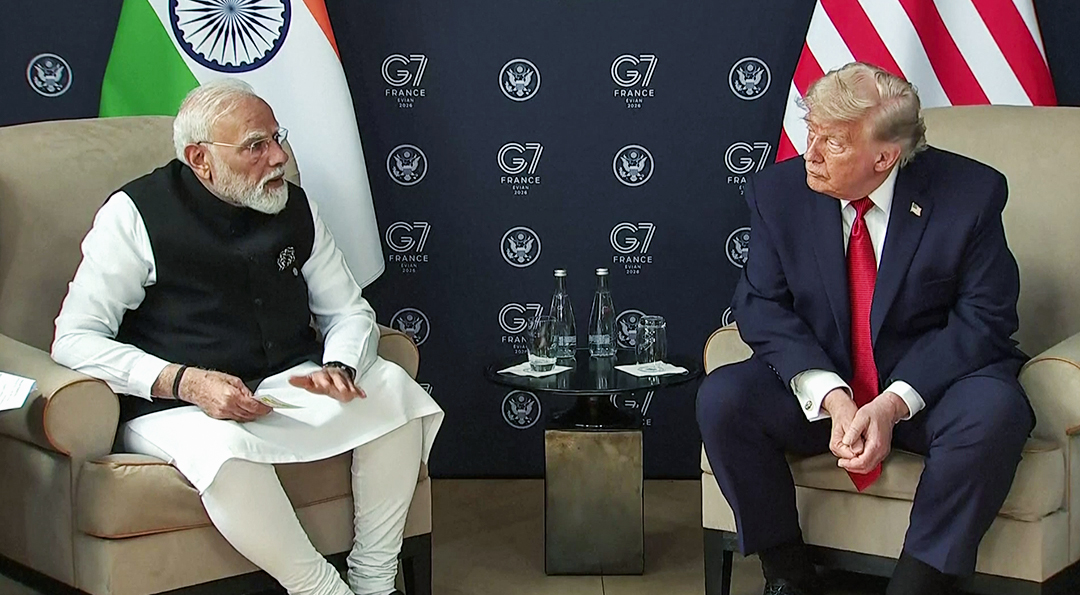
The current negotiations stem from a framework discussed earlier this year between Prime Minister Narendra Modi and US President Donald Trump. The proposed arrangement sought to reduce tariffs on Indian goods while expanding India’s imports of American products and services.
However, progress was disrupted after a US Supreme Court ruling challenged aspects of the administration’s broader tariff framework. Following the ruling, Washington introduced a temporary 10 per cent reciprocal tariff on trading partners for 150 days. That arrangement is due to expire on July 24, creating pressure on both governments to reach an agreement before the deadline.
India has offered to reduce or eliminate tariffs on a range of American industrial and agricultural products. These include dried distillers’ grains, red sorghum, tree nuts, fruits, soybean oil, wine and spirits. New Delhi has also signalled plans to increase purchases of US energy products, aircraft, technology goods, precious metals and coking coal.
Several export sectors are closely watching the outcome of the negotiations. The United States remains one of the largest markets for Indian textiles, apparel, pharmaceuticals, electronics, gems and jewellery, and marine products.
Industry groups have warned that prolonged uncertainty over tariffs could affect export orders and investment decisions. Exporters in sectors such as textiles, leather and jewellery have faced challenges in planning shipments and pricing strategies while awaiting clarity on future tariff rates.
Trade data may also strengthen India’s negotiating position. According to official figures, India’s exports to the United States reached $87.31 billion in FY26, compared with $86.51 billion in the previous year. At the same time, imports from the United States rose to $52.90 billion from $45.63 billion.
As a result, India’s trade surplus with the United States narrowed to $34.41 billion in FY26 from $40.88 billion in FY25. Indian officials have pointed to the rise in imports from the United States as evidence of growing market access for American products.
Commerce Secretary Rajesh Agrawal said part of the slowdown in exports was linked to disruptions caused by the Middle East crisis, which affected trade flows during the financial year. Alongside the bilateral negotiations, another issue remains under discussion. The Office of the US Trade Representative has launched Section 301 investigations examining industrial capacity and forced labour concerns involving several countries, including India.
In June, the USTR proposed an additional tariff of 12.5 per cent under one of those investigations. The proposal has not been finalised, but Indian officials are seeking clarity on how any future measures could affect the bilateral agreement.
India has reportedly sought assurances that no additional tariffs will be imposed on top of the rates agreed under the proposed trade pact. The coming weeks are expected to be decisive. If an interim agreement is reached before July 24, Indian exporters could secure greater certainty over market access and tariff levels. Failure to conclude a deal could leave businesses facing a less predictable trade environment as the temporary US tariff regime expires.