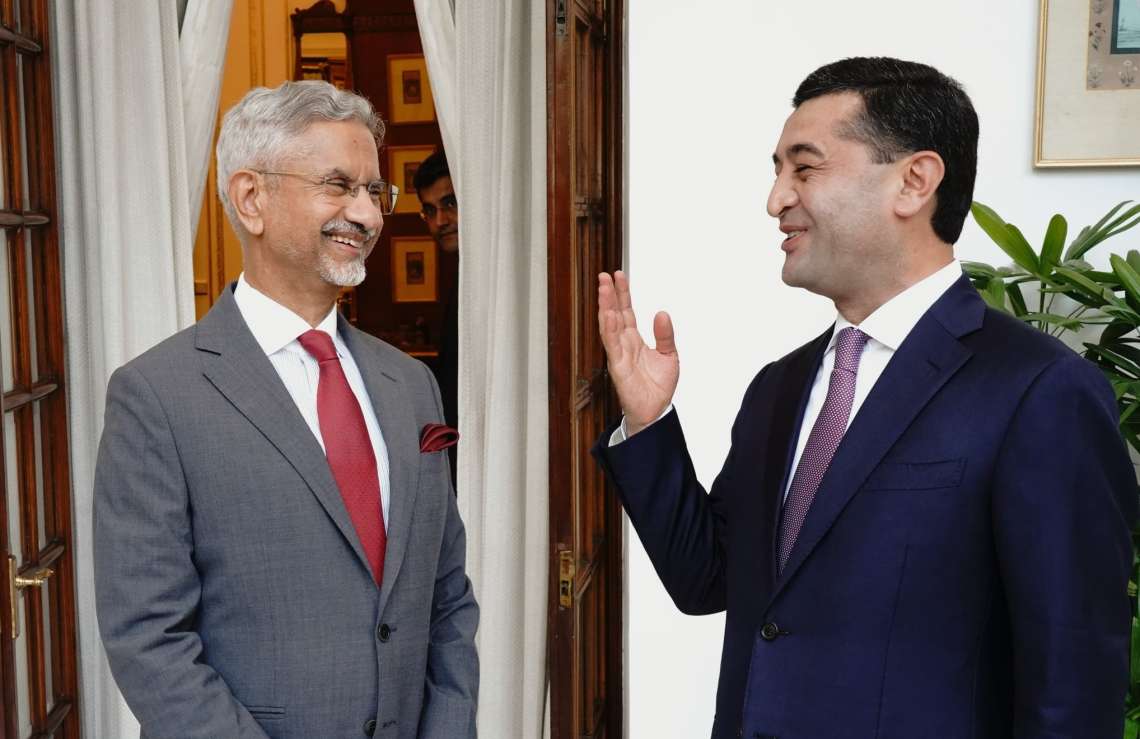
External Affairs Minister S Jaishankar has welcomed Uzbekistan Foreign Minister Bakhtiyor Saidov to New Delhi, highlighting the growing momentum in bilateral ties…reports Asian Lite News Desk
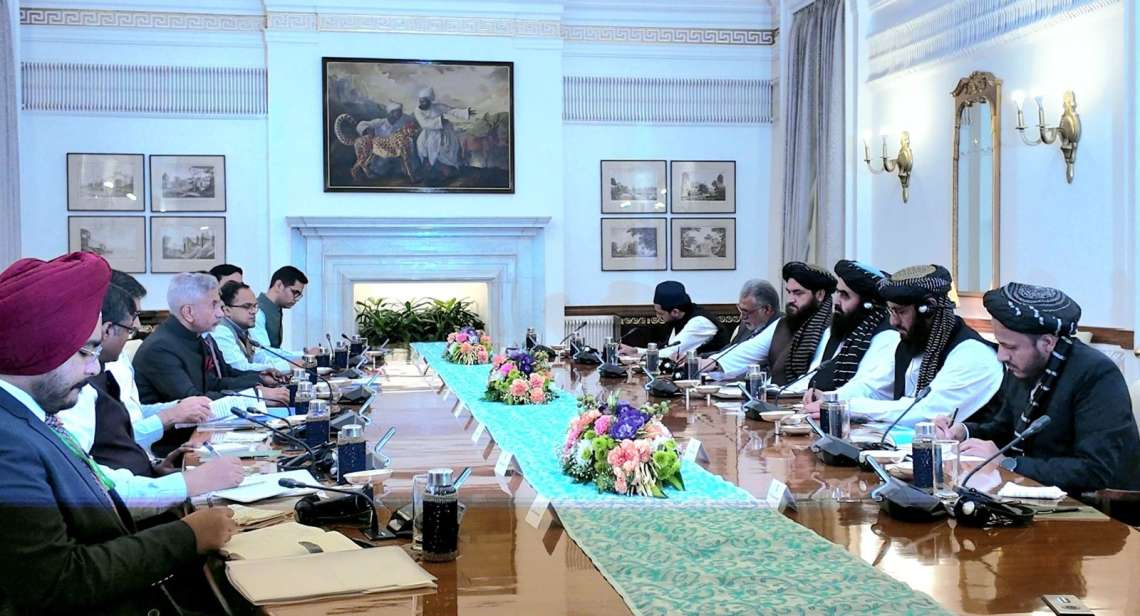
External Affairs Minister S Jaishankar on Monday met Uzbekistan Foreign Minister Bakhtiyor Saidov in New Delhi, describing the relationship between the two countries as one that continues to gather momentum and expressing confidence that the visit would further strengthen bilateral cooperation.
Saidov is on a three-day visit to India, during which the two leaders reviewed ties spanning trade, energy, health, education, digital technology and regional security.
During his opening remarks, Jaishankar said India regards Uzbekistan as part of its extended neighbourhood, underlining the deep historical and cultural connections between the two countries.
“We in India consider Uzbekistan to be part of our extended neighbourhood, and there is always a continuous exchange of people, ideas, and goods in both directions. We share very long and deep historical and cultural linkages,” Jaishankar said.
He noted that political engagement between the two countries has remained consistent at both the leadership and institutional levels.
“In modern times, we’ve had regular interactions at the political level between our systems at an institutional level, and I am very glad to see that there’s been a steady momentum in our ties. Our leadership has maintained very close contact, and my Prime Minister has a very special regard for your President,” he added.
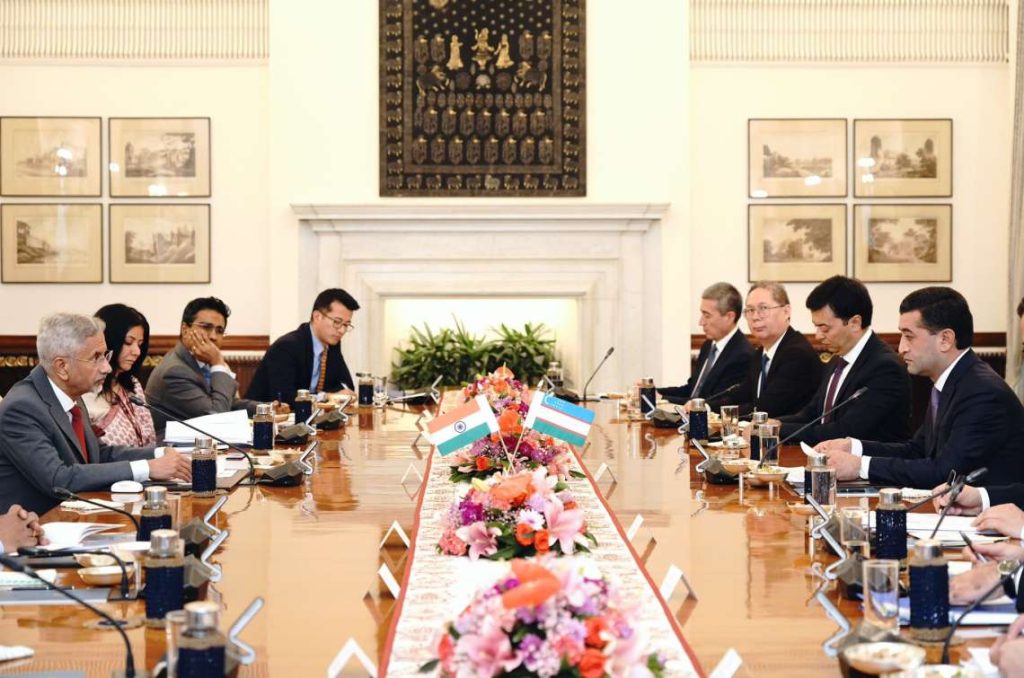
Jaishankar said India-Uzbekistan relations have expanded significantly over the years and now encompass a broad range of sectors, including construction, digital technology, energy, healthcare and education.
He also identified mining as a sector with significant potential for future collaboration and said bilateral trade, currently valued at nearly USD 1 billion, has scope for further growth.
The External Affairs Minister highlighted efforts to deepen parliamentary engagement, referring to the establishment of an India-Uzbekistan parliamentary friendship group. He expressed hope that regular interactions between legislators would contribute to closer bilateral ties.
On regional and international issues, Jaishankar said both countries share similar perspectives as developing nations, particularly on challenges such as terrorism, extremism and drug trafficking. He noted that India and Uzbekistan work together in several bilateral and multilateral forums, including the Shanghai Cooperation Organisation (SCO).
“We deeply appreciate that the government and people of Uzbekistan have taken a strong stand on combating terrorism in all its forms and manifestations. You have your own challenges and your own experiences, but both of us have shown zero tolerance towards sanctuaries and towards cross-border terrorism,” he said.
Jaishankar also highlighted India’s role as Chair of BRICS in 2026 and thanked Uzbekistan for its support as a partner country in BRICS initiatives. He reaffirmed India’s support for Uzbekistan’s upcoming chairmanship of the Non-Aligned Movement for the 2027-2029 term.
The meeting reflected the two countries’ continued efforts to broaden strategic, economic and political cooperation as India strengthens its engagement with Central Asia.