February 6, 2026
4 mins read

ISIS Finds New Life Online in Southeast Asia

After IS’s territorial collapse, militants shifted to cyber-based strategies, using Southeast Asia’s social media reach to spread propaganda, raise funds and organise….writes  Dr. Rahul Mishra and Prisie L. Patnayak

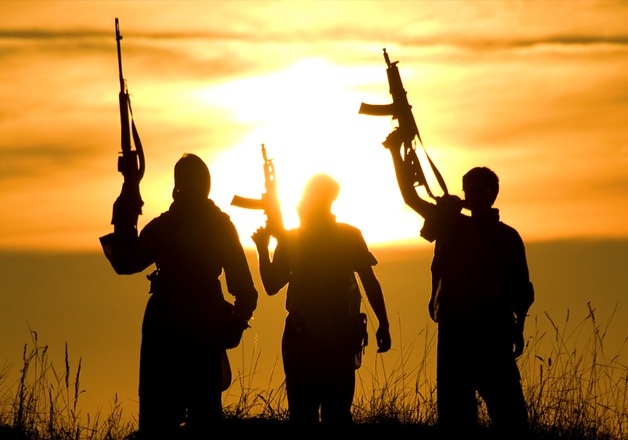
Online radicalisation by ISIS and its affiliates is an escalating threat in Southeast Asia, particularly in Indonesia, Malaysia, and the Philippines. Strong internet penetration and widespread social media use amplify the risk, allowing radical ideologies to spread rapidly. This increasing digital threat poses significant security challenges for countries in the region.

Building on this, the ‘Southeast Asia angle’ in the Bondi Beach shooting in Australia points towards the worrying trend of localised radicalisation with regional linkages, connected at the wider level with Islamic State (IS) in the post-caliphate era.

Investigators revealed that the two attackers involved in the Bondi Beach incident visited Mindanao, Philippines, before the attack, a region in the Philippines which has a history of Islamic insurgency movements. While the Filipino officials debunked any indication that the two received training in Mindanao, the Bondi incident is a grim sign of the presence of IS and radical elements in Southeast Asia.

The Bondi case demonstrates a defining feature of the post-caliphate era: lone wolves radicalised online. This self-reinforcing phenomenon is prominent in Southeast Asia. While organised terror groups have weakened, and major attacks have declined, the threat has shifted to online platforms. 

After IS’s territorial collapse, individuals have adopted cyber-based strategies. With high reliance on social media in Southeast Asia, terrorist groups use these platforms to spread propaganda, raise funds, and organise. Encrypted messaging apps like Telegram and WhatsApp aid communication among extremists. Meme formats, commentary reels, and local languages help propaganda reach a wider audience. 

As per media reports, 54% of the cases in Malaysia involve support to Islamic State (ISIS) members via internet platforms. ISIS-K, formally known as Islamic State in Khorasan Province (ISKP), an IS affiliate operating primarily in the Afghanistan-Pakistan and Central Asian regions, have used Malaysia’s digital domain to disseminate radical ideology throughout Southeast Asia. In Indonesia alone, the National Counter-Terrorism Agency (BNPT) recorded over 180,000 pieces of extremist content circulating online throughout 2024. 

Such tactics are not limited to individual actors; pro-IS media networks, such as the At-Tamkin Malay Media Foundation, have emerged. They use digital channels to incite violence and recruit supporters. In February 2024, the Al-Aan Foundation made a recruitment video. The video openly called on Malaysians to migrate and to ‘rise up’ for oppressed Muslims. In Indonesia, around 181 terror-linked non-profit organisations are known to channel money to these groups.

Global events like Israel’s war in Gaza fuel extremist narratives in Southeast Asia. Large Muslim populations may feel connected, blurring the line between advocacy and extremism. Groups like ISIS exploit these events online, targeting youths as young as 12 using platforms such as TikTok and Facebook.

Amplifying these influences, algorithms on internet platforms further spread radical content, forming an environment in which such messages can be absorbed passively. This has led to self-radicalisation, giving birth to ‘lone wolf actors.’ These actors carry out political violence without direct support or instruction from an established terrorist network.

Self-radicalisation is a main driver of the terror threat in Southeast Asia. From 2013 to 2022, Indonesian courts dealt with 721 terrorism-related cases, with 360 involving individuals radicalised through digital platforms. In Singapore, 17 youths have been dealt with under the Internal Security Act (ISA) in the past decade, with two-thirds of them detected in just the past five years, most of them radicalised online. 
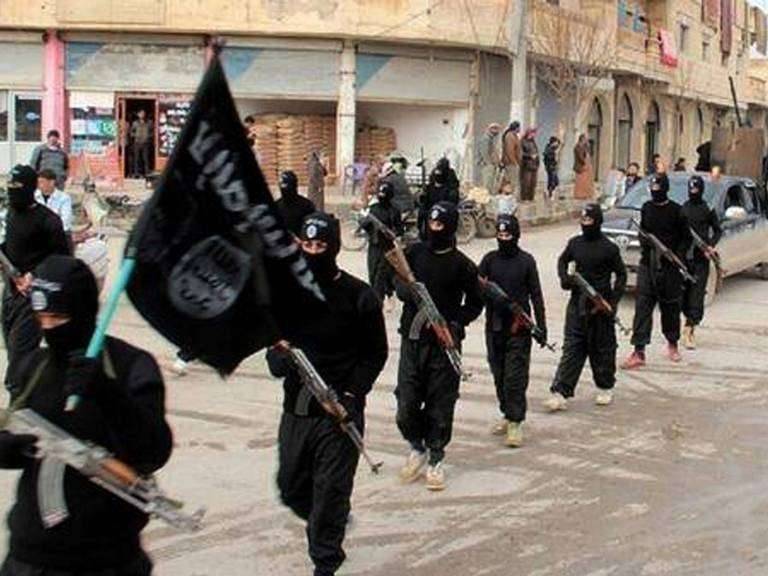
Given these complexities, one challenge in countering online radicalisation is the unclear line between consuming extremist content and committing violence. In 2024, Indonesian authorities arrested seven people during the Pope’s visit. Two-faced terrorism charges for planning an attack. Others were linked to online radical discourse without direct violent involvement.

This shows that extremist rhetoric online may not pose an immediate threat, but its influence is still dangerous. In the Bondi shooting, the radicalisation process took nearly seven years. Naveed Akram, one of the shooters, was first exposed to extremist content at 17, but acted only at 24.

Ultimately, the Bondi Beach incident and the spread of digital radicalisation across Southeast Asia blur the boundaries between local, regional, and global security. These trends highlight the need for deeper regional and international collaboration. Governments should focus not just on known extremists but also on patterns of online behaviour and long-term radicalisation.

Digital awareness and ethics programmes are important in disrupting the path to radicalisation. Governments should work with technology companies to remove extremist material and to address algorithm issues. ASEAN can play a key role in coordinating regional efforts. The Manila Declaration to Counter the Rise of Radicalisation and Violent Extremism highlights regional cooperation, capacity-building, and sharing best practices. Southeast Asian countries—through ASEAN or individually—can also work with neighbours like Australia and India through intelligence sharing.
Previous Story

Pakistan’s Terror Finance Problem Isn’t Over

Next Story

Online Calls From Expat Activists Spark Violent Attacks in Dhaka

Previous Story

Pakistan’s Terror Finance Problem Isn’t Over

Next Story

Online Calls From Expat Activists Spark Violent Attacks in Dhaka

Latest from -Top News

Pakistan Risks Overstretching Itself in Yemen War

Pakistan’s expanding military role in Saudi Arabia amid the Yemen conflict could strain its defence resources and fragile finances…reports Asian Lite News Desk Pakistan’s military involvement in the war in Yemen may prove unsustainable because of mounting financial pressures and competing security demands, according to a new report. Islamabad’s growing military presence in Saudi Arabia risks stretching its defence resources while exposing the country to greater strategic and economic challenges. An article by Andrew Wilson in One World Outlook describes Pakistan’s involvement as a case of “fiscal and strategic overreach”, arguing that the country lacks the financial flexibility to sustain an expanded military commitment. Pakistan’s external finances depend heavily on an International Monetary Fund (IMF) programme, financial support from Gulf countries and remittances from Pakistani workers in the region. The report argues that deeper military involvement in the conflict could place additional pressure on these sources of financial stability. It also warns that deploying troops and military equipment abroad could weaken Pakistan’s capacity to address security challenges along its eastern border and deal with two domestic insurgencies. The move could also draw Islamabad into a conflict it has sought to approach cautiously. A Reuters report in May, citing Pakistani security and government sources, said Islamabad had deployed around 8,000 troops, a squadron of approximately 16 aircraft, mostly JF-17 fighter jets, two drone squadrons and a Chinese HQ-9 air-defence battery to Saudi Arabia. According to those sources, Riyadh was financing the deployment, with Pakistani personnel operating the equipment. The sources also said a confidential agreement contemplated the possibility of deploying up to 80,000 troops. Islamabad has not confirmed those figures, although it has acknowledged its military presence in Saudi Arabia, including the deployment of fighter jets at King Abdulaziz Air Base from April. The One World Outlook article argues that Saudi financial support can cover allowances and operating expenses but cannot easily replace military equipment needed elsewhere or resolve the political and strategic challenges of participating in the Yemen conflict. Pakistan’s defence budget is another concern. For the 2026-27 financial year, the federal government allocated PKR 3 trillion, or approximately $10.8 billion, to defence services. The allocation represents an 18 per cent increase from the original PKR 2.55 trillion provision and amounts to around 2.1 per cent of projected gross domestic product (GDP). Defence spending accounts for approximately 16 per cent of the federal government’s PKR 18.8 trillion expenditure. Military pensions are budgeted separately at PKR 822 billion, while debt servicing costs stand at approximately PKR 8 trillion, more than two-and-a-half times the defence allocation. The report argues that these competing financial obligations leave little room for additional military expenditure without placing further pressure on public finances. Pakistan’s reliance on IMF assistance also limits its fiscal flexibility. The country must meet the conditions attached to the programme, including a primary budget surplus target of 2 per cent of GDP and continued restraint on development spending. According to the article, these requirements make it difficult for Islamabad to finance an additional military commitment without compromising other budgetary priorities. Pakistan’s economic indicators offer limited reassurance. Economic growth for the 2025-26 financial year is estimated at between 3.6 and 3.7 per cent, while inflation reached approximately 10.3 per cent in September following an energy price shock. Foreign exchange reserves stood at around $21.5 billion at the end of September. Although this marks an improvement from the low levels recorded in 2023, the report notes that the reserves cover only a few months of imports. Financial assistance from Gulf partners remains central to Pakistan’s external stability. The article says Islamabad holds approximately $8 billion in Saudi deposits at its central bank. In July, the State Bank of Pakistan said Riyadh had extended the maturity of $5 billion in deposits to December 2028, easing the country’s immediate external financing requirements. A further $3 billion deposit was also extended in the spring. However, the article argues that these arrangements provide temporary relief rather than long-term financial independence, particularly as regional conflict threatens the stability of the Gulf economies on which Pakistan relies. The report concludes that Pakistan faces a difficult balance between supporting Saudi Arabia militarily and preserving the financial and military resources needed to address its domestic and regional challenges.

UK and Germany Ratify Kensington Treaty

Britain and Germany ratify the Kensington Treaty, agreeing new cooperation on AI, quantum research, defence and security while targeting investment, jobs and Russian hybrid threats…reports Asian Lite News Desk Britain and Germany

Economic tide is turning in Bangladesh

If there is one thing that can bring some comfort to the struggling Bangladeshi economy, it is good relations with India. Bangladesh should remember that Delhi’s backing, through easy supplies of essentials
Go toTop

Don't Miss

IS-K forays into Pakistan

The attack in Peshawar comes at a time when the

Chinese drone spotted near Philippines ahead of BrahMos delivery from India

Procured as part of the ‘Horizon 2’ Priority Projects aimed