A coordinated online campaign led by Bangladeshi activists based overseas allegedly mobilised mobs and triggered attacks on leading media houses and cultural institutions in Dhaka….reports Asian Lite News
A coordinated online campaign led by two Bangladeshi activists based overseas has been linked to a series of violent attacks on major media houses and cultural institutions in Bangladesh, underscoring the growing threat of transnational digital incitement, NENews reported.
On the night of December 18, 2024, Elias Hossain, a former journalist based in Jackson Heights, New York, posted a call on Facebook urging supporters to destroy the Dhaka office of Prothom Alo. The post, broadcast to more than 2.2 million followers and amplified across Meta platforms, was rapidly shared on WhatsApp and Instagram, according to NENews.
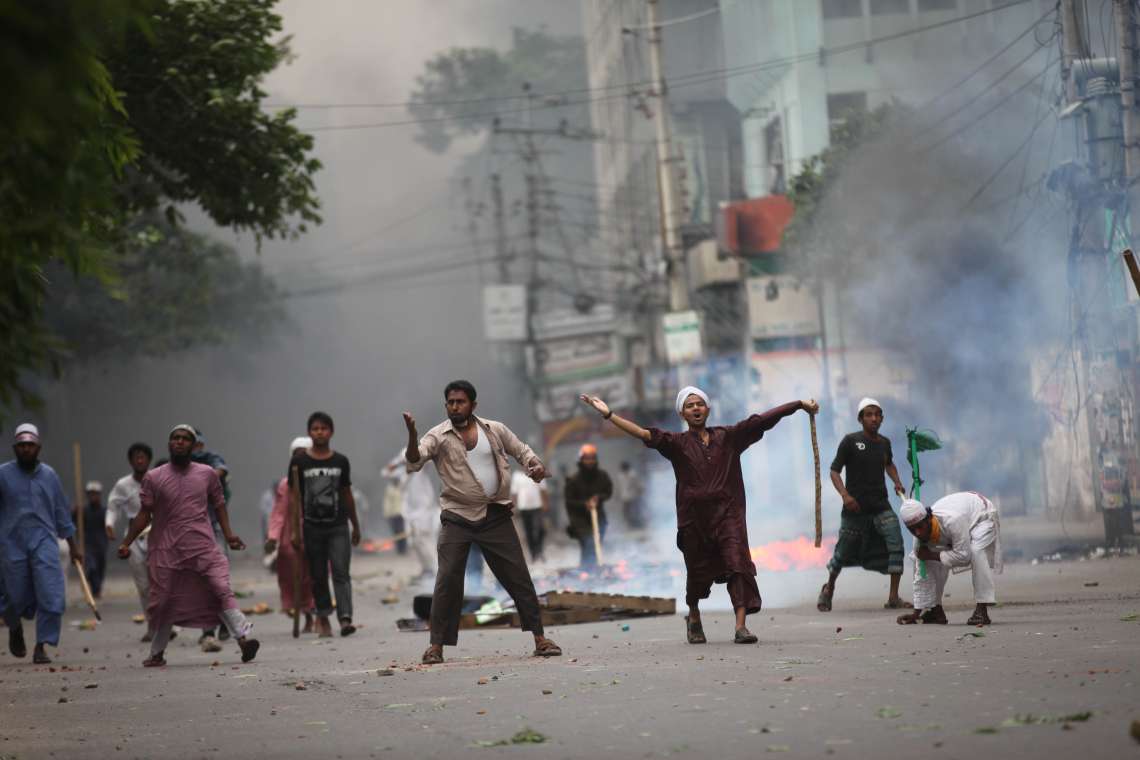
Within hours, mobs gathered outside Prothom Alo’s office in Dhaka and vandalised the premises. Simultaneously, Hossain, working with Paris-based activist Pinaki Bhattacharya, incited attacks on The Daily Star and cultural institutions such as Chhayanaut and Udichi, with instructions disseminated in real time through social media.
Citing a BoomLive investigation, NE News reported that the duo operate what amounts to a “remote-controlled mob apparatus” driven largely by Facebook, YouTube and their recommendation algorithms. Together, Hossain and Bhattacharya command nearly 15 million followers across platforms, enabling rapid offline mobilisation.

Over the past year, they ran sustained online campaigns accusing Prothom Alo and The Daily Star of acting on behalf of Indian intelligence agencies, fuelling distrust and repeated attempts to surround newsrooms and intimidate journalists, NE News said.
The campaign escalated on February 5, 2025, when followers demolished the ancestral home of former prime minister Sheikh Hasina in Dhaka’s Dhanmondi area. The action was allegedly timed with Hasina’s live Facebook address and coordinated through continuous posts and videos.
According to BoomLive, sections of the crowds involved openly called for a new government led by Hossain and Bhattacharya, who had publicly highlighted links with Bangladeshi government officials, lending credibility to their influence.
Media watchdogs and journalists have warned that the episode marks one of the clearest examples of social media being used to direct mass violence across borders, raising urgent concerns over platform accountability and state responses to algorithm-driven mobilisation, NENews added.