Brazil seeks stronger BRICS ties and deeper South American integration under Lula…reports Asian Lite News Desk
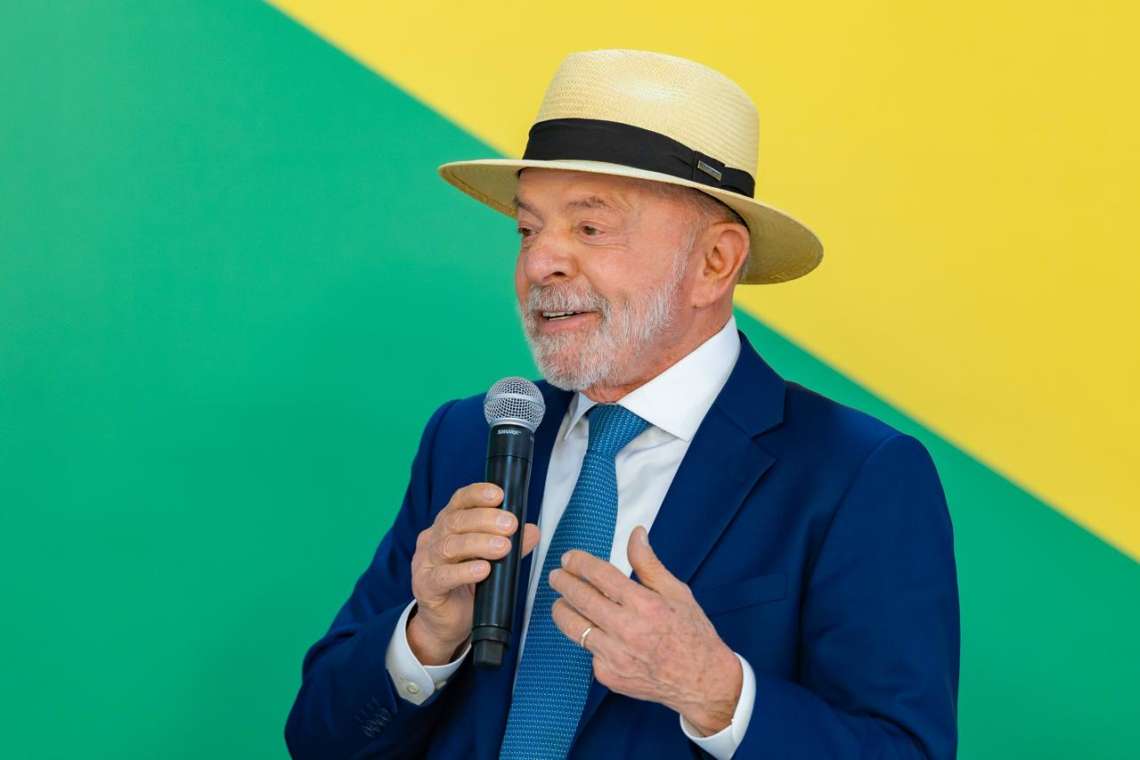
Brazilian President Luiz Inacio Lula da Silva’s government plan places South-South cooperation at the centre of the country’s foreign policy, seeking to strengthen ties among developing nations while expanding Brazil’s political, economic, financial and technological autonomy, Brasil 247 reported.
The strategy proposes stronger cooperation with countries of the Global South through institutions such as BRICS and Mercosur, while calling for deeper South American integration and reforms to multilateral institutions.
The plan also seeks a greater role for developing countries in global decision-making, including within international financial institutions and other multilateral bodies.
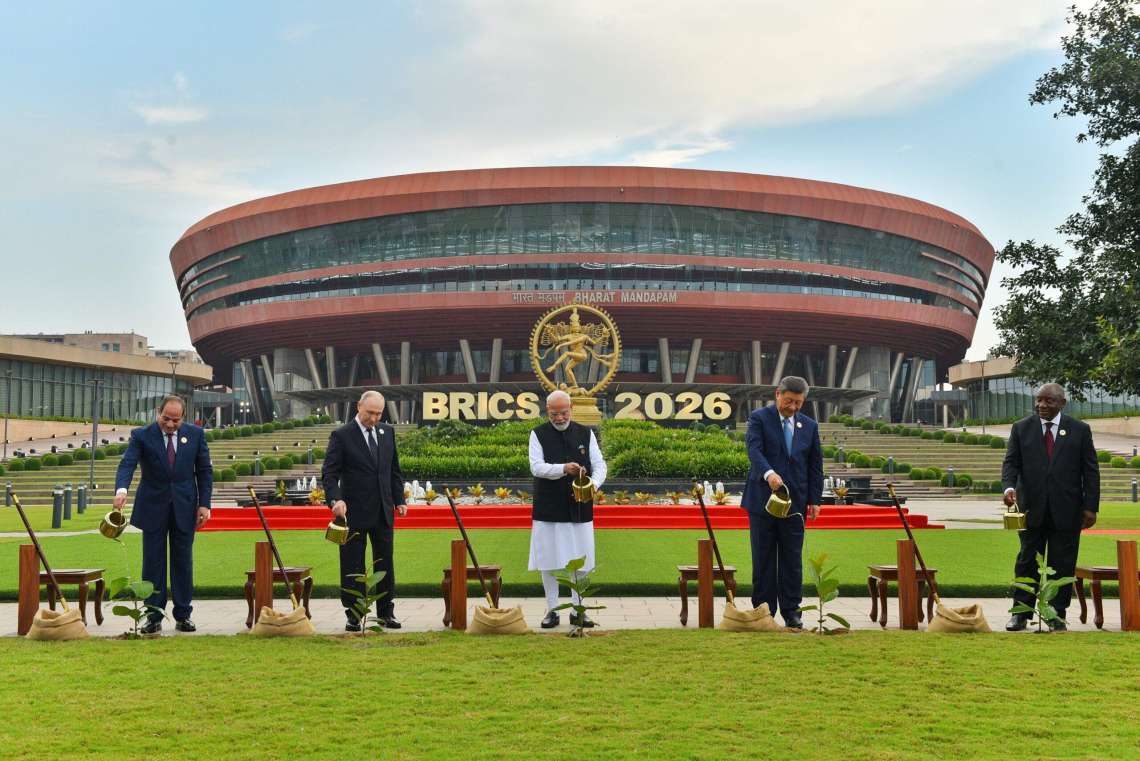
According to Brasil 247, strengthening BRICS is a key element of the proposed foreign policy strategy. The government supports expanding financing mechanisms linked to the grouping and developing new instruments to address infrastructure and development needs in countries across the Global South.
The plan also backs changes to the international financial architecture, including the International Monetary Fund (IMF) and World Bank. It seeks to increase the participation and influence of developing countries in the decision-making processes of these institutions.
Regional integration is another major priority. The government plan proposes closer cooperation among South American countries in areas including infrastructure, energy, defence and healthcare.
It also calls for progress towards a common energy market by linking existing systems and resources across the continent. Infrastructure projects are seen as a means of boosting regional trade and strengthening economic integration among South American nations.
Mercosur is expected to remain an important platform for advancing economic and political cooperation in the region. The strategy also connects greater regional defence cooperation with efforts to maintain South America as a zone of peace.
At the global level, Lula’s government supports reforms to the United Nations, particularly the Security Council, with the aim of creating a more representative and democratic multilateral system.
The plan calls for greater participation by developing and emerging economies in institutions responsible for decisions on international peace, security and global finance.
Technology is also given greater prominence in the proposed foreign policy approach. Artificial intelligence, digital technologies and data protection have been identified as strategic areas for Brazil’s international engagement.
The government intends to play a more active role in international discussions on technology regulation, digital sovereignty, scientific cooperation and the development of global standards for artificial intelligence.
The strategy therefore links Brazil’s foreign policy objectives with wider development priorities, including infrastructure, energy, healthcare, defence, science and technology.
The proposed approach reflects Lula’s emphasis on strengthening cooperation among developing countries and increasing Brazil’s influence in international institutions and discussions.
By placing South-South cooperation and the Global South at the heart of its international engagement, the government aims to expand Brazil’s role in shaping global economic, political and technological debates. Brasil 247 reported on the details of the plan.
Strapline: Brazil’s government plan puts South-South cooperation at the heart of its foreign policy. It seeks stronger BRICS ties, deeper South American integration and greater influence for developing nations in global institutions.