Mali’s military-led government has announced plans to introduce fuel rationing after militant attacks disrupted vital supply routes into the landlocked West African country…reports Asian Lite News
Mali’s government has moved to impose fuel rationing to counter widespread shortages caused by Al-Qaeda-linked groups operating in the country’s volatile border regions, which in recent months have cut off key fuel supplies to the landlocked state. Officials said the rationing system was designed to reduce long queues at petrol stations and bring greater control to the distribution of scarce fuel, although they did not specify when the measures would formally take effect.
The crisis has been building since September, when militant attacks on fuel convoys began to intensify. Al-Qaeda-linked fighters and other extremist groups have increasingly targeted tanker trucks moving through insecure areas, particularly in northern and central Mali and along cross-border routes. More than a hundred trucks have been burned in the violence, severely damaging the flow of fuel into the country and disrupting internal distribution networks that rely heavily on road transport.
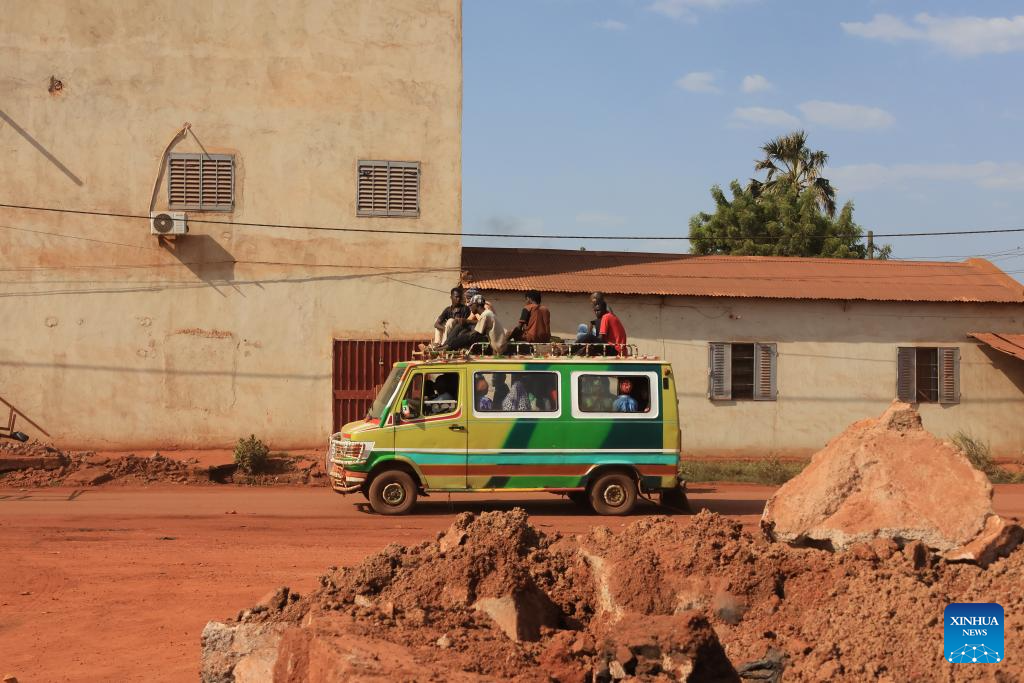
As a result, fuel availability in cities and towns across Mali has deteriorated sharply. Long lines of vehicles have become a common sight outside filling stations, especially in the capital, Bamako, where demand is high from private motorists, commercial transport operators and small businesses that depend on petrol or diesel generators for electricity. The government said the rationing plan was intended to limit panic buying and ensure that the fuel that does reach the country is shared more evenly among consumers.
According to Mali’s fuel importers’ union, the scale of the disruption has been dramatic. The group said that just over 2,000 tanker trucks have entered the country since the start of the year, far below the up to 6,000 per month that arrived before the militant attacks escalated. With Mali having no coastline and relying on imports through neighbouring countries, the loss of those shipments has had an immediate and far-reaching impact.
Under the new system, motorists will have to register their vehicle plates and observe mandatory waiting periods between refuelling. Cars will be allowed to fill up once every 72 hours, while motorcycles, which are widely used for transport and deliveries, will be allowed to refuel every 48 hours. Officials said these controls would allow the authorities to track sales at petrol stations and prevent hoarding or black-market activity.
Moussa Alassane Diallo, Mali’s trade and industry minister, outlined the government’s approach during a meeting with a union of petroleum product importers. He said the rationing would “give us complete control” over gas stations and enable the state to “monitor the quantities of fuel sold.” The comments reflected the junta’s effort to assert tighter oversight over a sector that has become increasingly strained by insecurity and logistical breakdowns.
Industry representatives have broadly supported the government’s attempt to stabilise the situation, while stressing that security on supply routes remains the central issue. “We are committed to ending the fuel crisis as long as the military continues to escort our tanker trucks”, said Ibrahim Toure, head of the petroleum importers union. His remarks underlined the reliance of importers on armed protection to move fuel through areas where militant groups are active.
For many ordinary Malians, however, the rationing measures have raised fears about their ability to earn a living and meet basic needs. Taxi drivers, delivery workers and small traders are among those most exposed to the shortage, as their incomes depend on frequent refuelling. In Bamako, some taxi drivers said the limits could make it harder to operate profitably, especially at a time when fuel prices have already risen due to scarcity.
“These measures may work for private cars, but for us taxi drivers, it’s going to be difficult because we don’t earn enough money to fill up our taxis every time we go,” said Oumar Coulibaly, a taxi driver in the capital. “We do a lot of trips, and we need fuel,” he said. Similar concerns have been echoed by motorbike riders who provide low-cost transport and courier services in urban areas.
Analysts say the junta’s decision to impose rationing reflects growing concern about public discontent over the prolonged shortage. Fuel scarcity affects not only transport but also the cost of food and other essentials, as higher transport and generator costs are passed on to consumers. With Ramadan approaching, a period when demand for transport and goods often increases, the risk of frustration spilling over into protests has been on the authorities’ radar.
Beverly Ochieng, a senior analyst with the consultancy Control Risks’ Global Risk Analysis team, said the underlying security problem was unlikely to disappear quickly. She said the “insecurity on supply routes due to militant presence and activity will remain a challenge to the transportation of fuel in the coming weeks, and the stability of supplies will vary.” Her assessment suggests that rationing may ease immediate pressure at filling stations but will not resolve the deeper vulnerabilities in Mali’s fuel supply chain.
Mali has been ruled by a military junta since a series of coups, and the authorities have made restoring security a central pillar of their rule. Despite increased military operations and the use of escorts for convoys, large parts of the country remain contested by militant groups linked to Al-Qaeda and the Islamic State. Those groups have targeted not only security forces but also critical economic infrastructure, including roads and commercial transport, to undermine the state.