The unrest marks one of the biggest youth mobilisations since the Bangladesh Nationalist Party government took office less than five months ago…reports Asian Lite News Desk
Bangladesh has witnessed a fresh wave of student protests as thousands of young people took to the streets in Dhaka and several other cities, demanding education reforms and criticising the government’s handling of Higher Secondary Certificate (HSC) examinations disrupted by severe flooding, according to a report published by The Diplomat.
The demonstrations, led largely by Generation Z students, have also been fuelled by controversial remarks made by Education Minister A N M Ehsanul Hoque Milon, whose description of students as “farm chickens” in a leaked phone conversation triggered widespread public anger.
The unrest comes less than five months after the Bangladesh Nationalist Party (BNP) government assumed office.
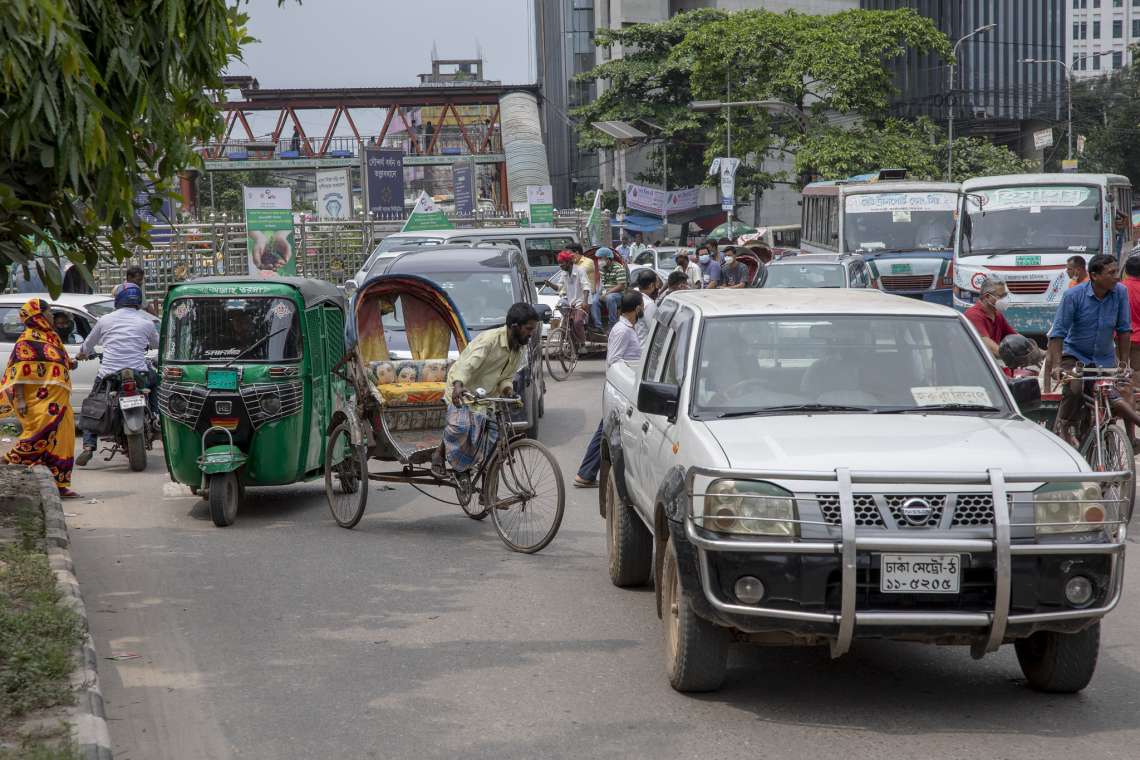
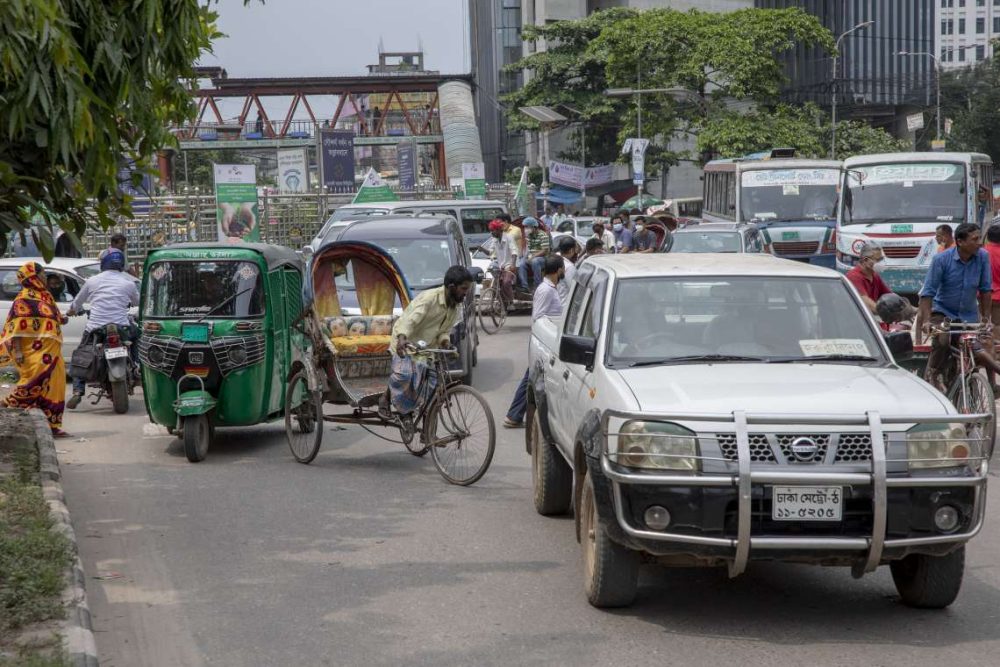
The HSC and equivalent examinations began on July 2 with nearly 1.3 million candidates appearing across the country. However, torrential rain during the second week of July caused widespread flooding in the Chittagong region and severe waterlogging in major urban centres, including Dhaka and Chittagong.
The Ministry of Education suspended examinations in five districts under the Chittagong Education Board because of the flooding but decided to continue examinations in other education boards, a move that prompted criticism from students and parents.
According to The Diplomat, many candidates in areas outside Chittagong were forced to travel through knee-deep floodwater and heavy rain to reach examination centres, with some sitting examinations despite illness and difficult conditions.
“While the flooding was worst in Chittagong, the weather was also hostile in other places, including Comilla. Examinees had to reach their centres by wading through knee-deep water, getting drenched, and facing storms and rain. Many students were forced to take exams while sick or without proper preparation and peace of mind. In such a disastrous situation, it is natural for anger to brew among students and their parents,” the report stated.
Public anger intensified after an audio recording of a telephone conversation between Education Minister Milon and the parent of a female student circulated widely on social media.
In the recording, Milon was heard saying: “In a meeting, someone was saying that if my daughter gets a little wet, she gets a fever. I said that these are farm chickens. If they get a little wet, they get a fever.”
The remark sparked criticism from students, many of whom adopted the phrase during demonstrations.
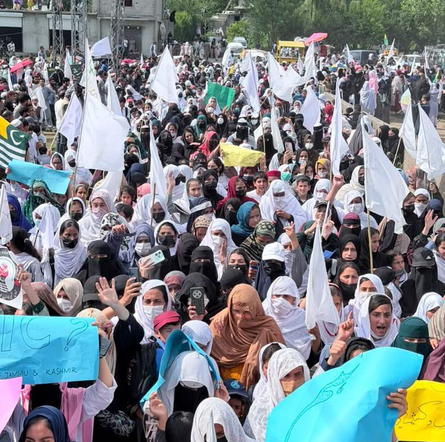
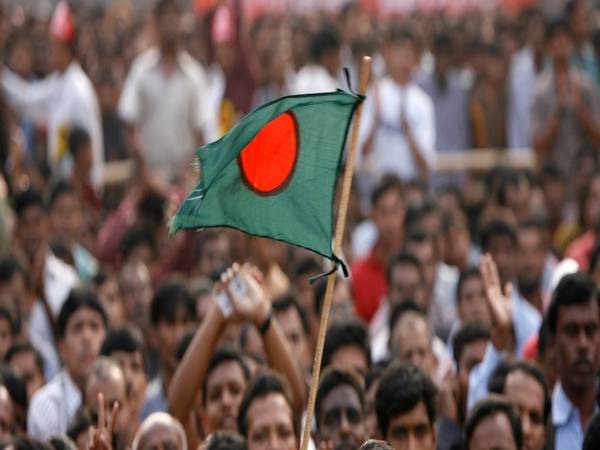
Citing local media reports, The Diplomat said protests were held in at least 13 districts, including Dhaka, Chittagong and Comilla, with demonstrators blocking roads, surrounding education board offices and organising rallies.
In Dhaka, protesters gathered at major intersections, chanting slogans including, “Who are you? Who are we? Farm chicken!”
Amid growing public pressure, Bangladesh Prime Minister Tarique Rahman held an emergency meeting with Education Minister Milon at the Parliament building on July 14.
Following the meeting, Milon apologised in Parliament for his comments and acknowledged the hardships students had faced because of heavy rain and waterlogging.
On July 15, the minister announced that alternative examination arrangements would be made for students who had been unable to sit their examinations because of the adverse weather.
The Diplomat said the unrest underscored broader concerns about the government’s handling of the education system, arguing that greater sensitivity and responsiveness would be needed to prevent similar crises in the future.
“The government must also demonstrate greater sensitivity, foresight, and sincerity in the future to prevent issues from boiling over. In a sensitive and democratic system, a healthy education system must be sustained by respecting the emotions and feelings of the students,” the report said.