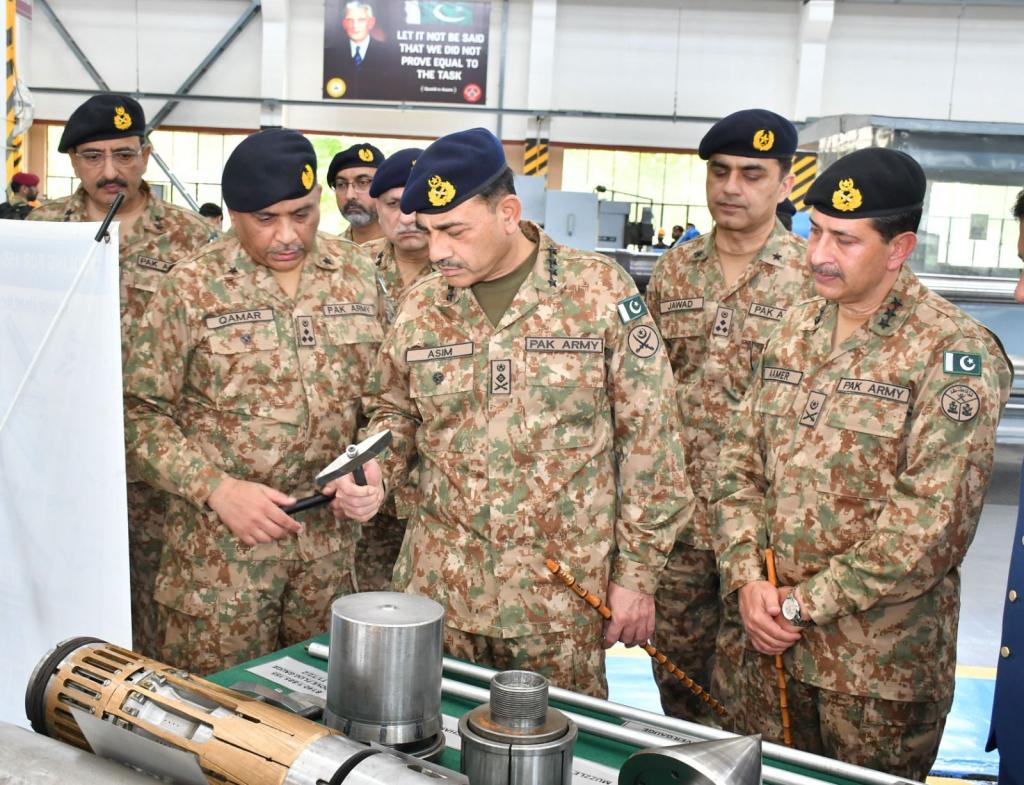
Pakistan Army chief Asim Munir is reportedly considering dividing the country’s four provinces into 12 to 15 smaller administrative units, raising concerns over provincial autonomy and military influence…reports Asian Lite News Desk
Pakistan Army chief Asim Munir’s reported plan to redraw the country’s administrative map by dividing its four provinces into as many as 12 to 15 smaller units has raised concerns over provincial autonomy and the military’s growing influence in civilian politics. The proposed restructuring faces significant constitutional and political hurdles, with critics warning that it could weaken regional political parties and further centralise power.
According to a report by Afghanistan-based news agency Khaama Press, the proposal comes amid growing concerns over Munir’s expanding role in political decision-making and the inability of civilian leaders to effectively challenge the military’s influence.
Pakistan has four provinces: Punjab, Sindh, Khyber Pakhtunkhwa and Balochistan. These have remained central to the country’s political structure since its creation in 1947.
Punjab, the country’s most populous province, is a stronghold of the Pakistan Muslim League-Nawaz (PML-N), while the Pakistan Peoples Party (PPP) has traditionally dominated Sindh.
The report said critics believe dividing the provinces into smaller administrative units could weaken the political influence of both parties and reduce the provinces’ ability to act as counterweights to the federal government in Islamabad.
The reported proposal has also revived concerns about Pakistan’s history of political grievances, regional tensions and military intervention in civilian affairs.
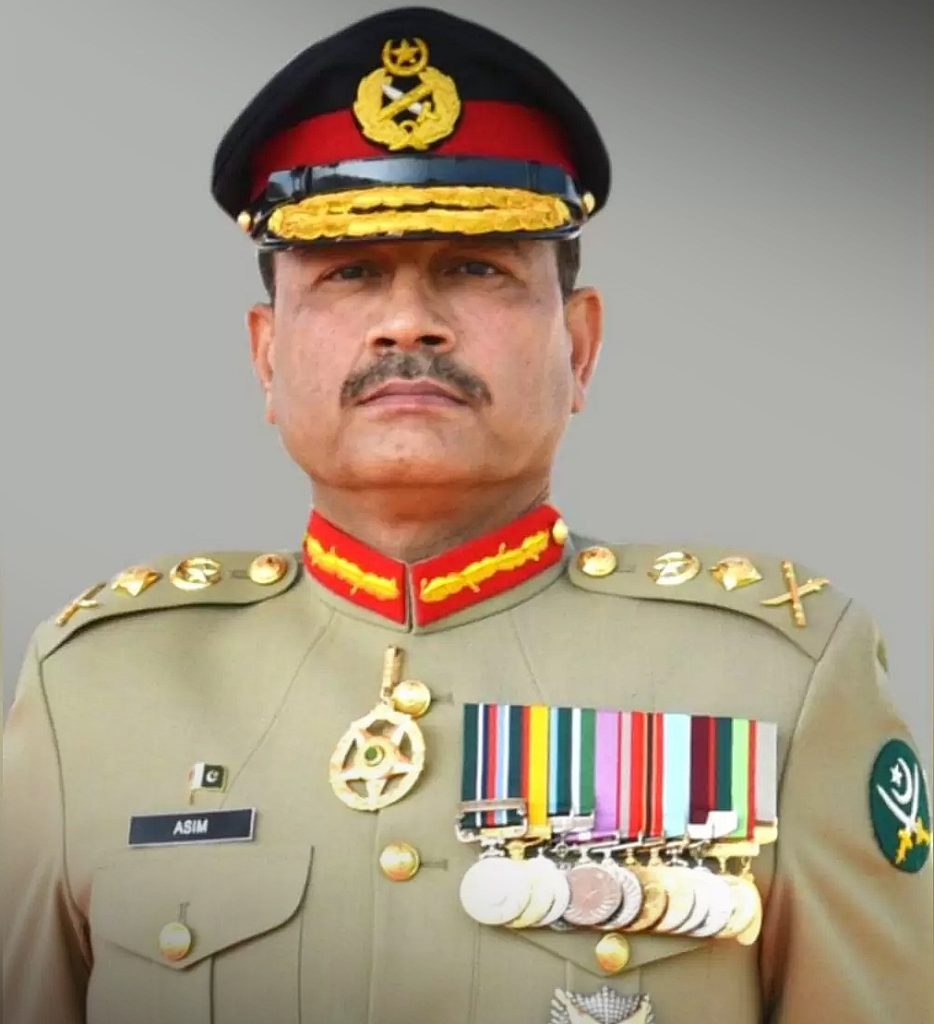
Provincial tensions and military influence
The report drew parallels with the events leading to Bangladesh’s independence in 1971, when political grievances and tensions between the then East and West Pakistan culminated in the country’s separation.
It cautioned that questions surrounding federal unity and military dominance have resurfaced, although the political circumstances in Pakistan differ from those that preceded Bangladesh’s independence.
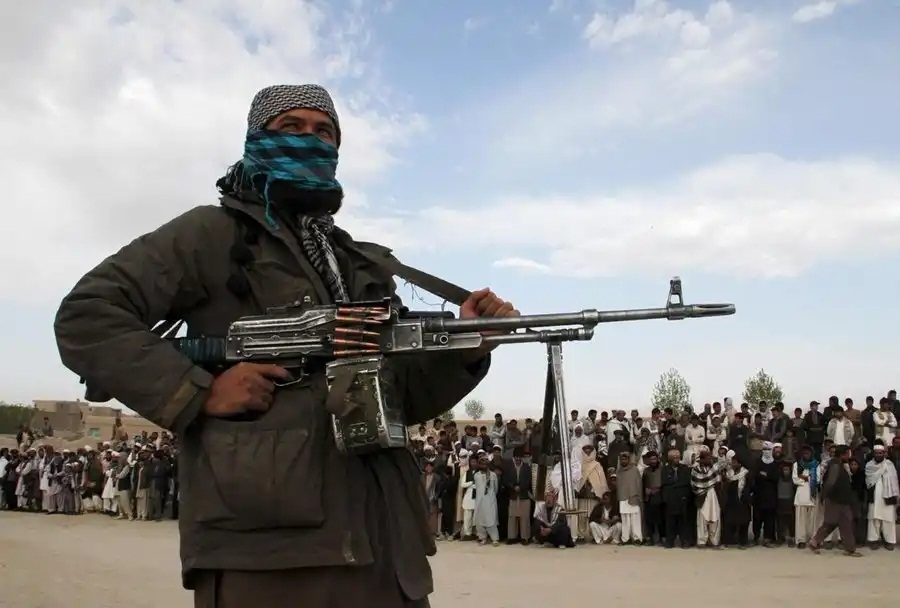
Khyber Pakhtunkhwa, where Pashtuns form the majority, continues to face militant violence, security operations and public anger over insecurity. However, the report noted that separatism was not the province’s defining political demand, distinguishing its situation from that of Balochistan.
Also Read: Pakistan’s Missing Girls Crisis Draws Attention at UN Conference
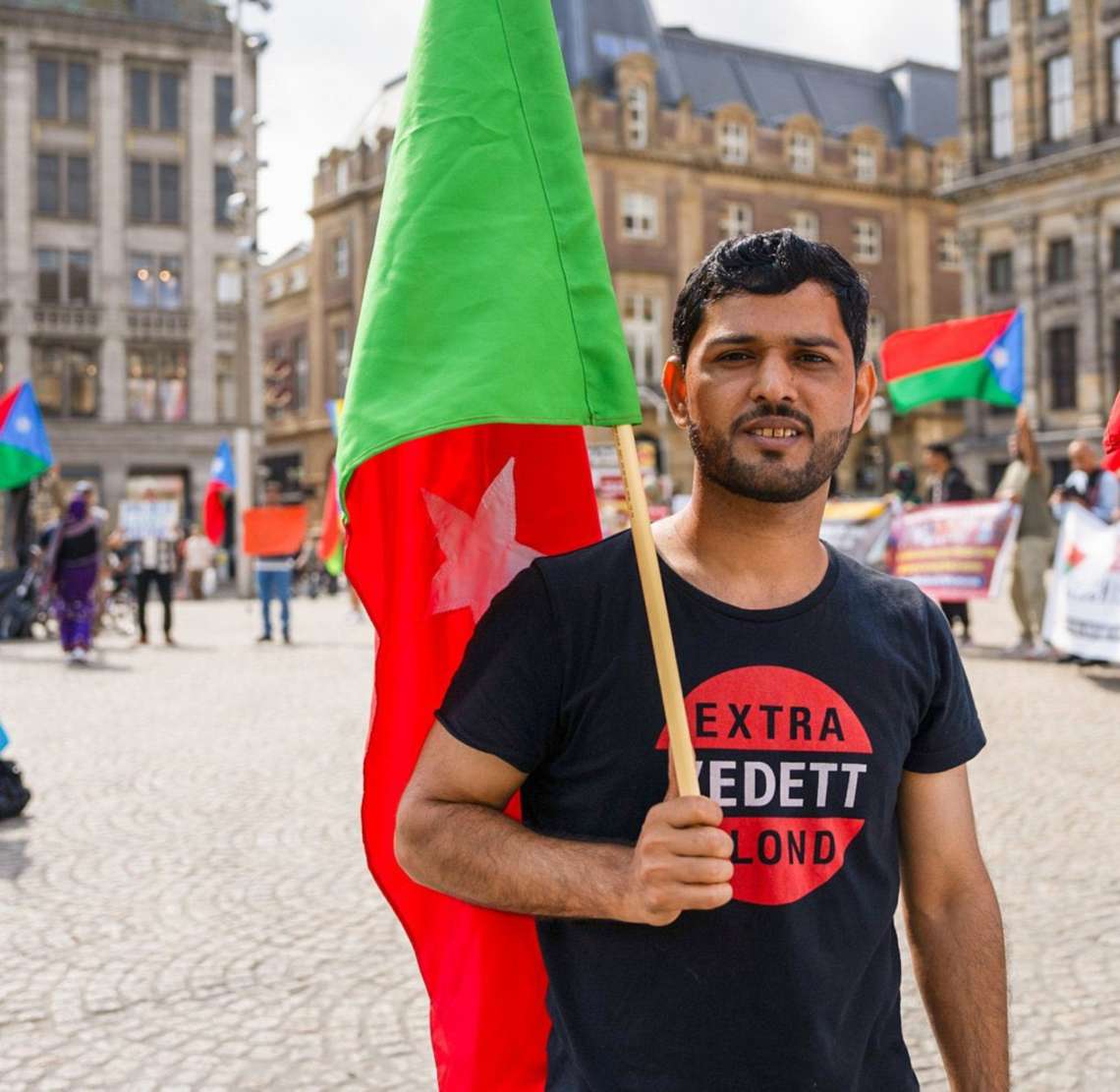
Balochistan’s longstanding insurgency, meanwhile, is rooted in grievances over provincial autonomy, control of natural resources, enforced disappearances and military operations. Separatist groups in the province have called for independence.
The report also highlighted tensions between the federal government and the opposition-led administration in Khyber Pakhtunkhwa.
It cited the imposition of emergency rule in the province by Pakistani President Asif Ali Zardari on October 11, which suspended the provincial government led by jailed former Prime Minister Imran Khan’s Pakistan Tehreek-e-Insaf (PTI), following a recommendation from the federal cabinet.
While the federal government justified the move on security grounds, PTI representatives denounced it as illegitimate, further intensifying the confrontation between Islamabad and the opposition-governed province.
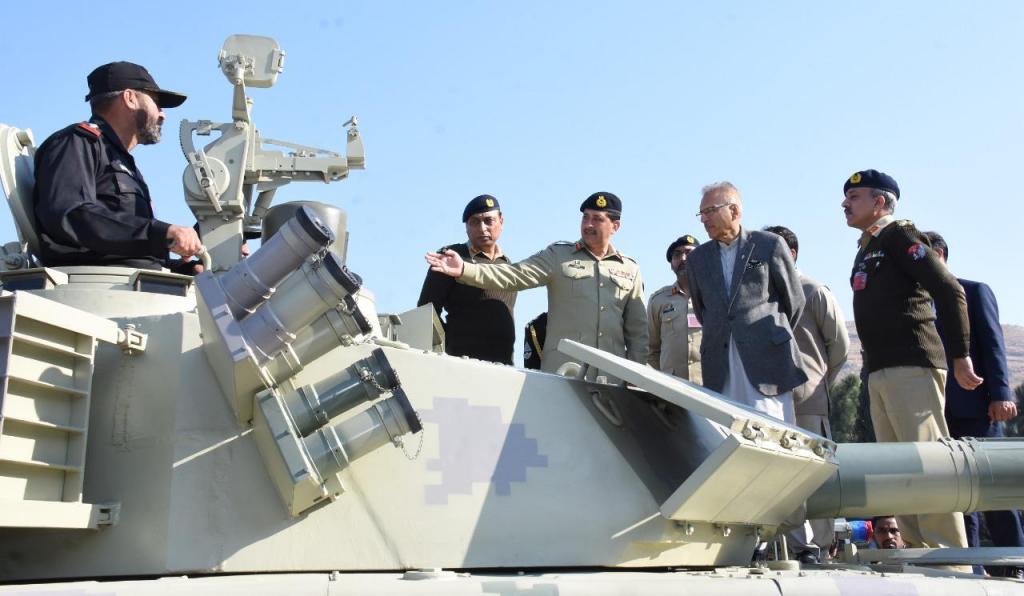
Constitutional hurdles to restructuring
The proposed redrawing of provincial boundaries faces substantial constitutional and political obstacles.
According to the report, such a reorganisation would require constitutional amendments, broad parliamentary support and approval from the provincial assemblies concerned.
Sindh has long opposed attempts to divide the province, making any nationwide restructuring politically contentious.
The debate has raised broader questions about Pakistan’s political stability and the future of its federal system, particularly amid concerns about the balance of power between elected representatives and the military establishment.
The report cautioned against assuming that Pakistan would follow the same trajectory as Bangladesh, noting that the two countries have different political histories and circumstances.
Instead, it presented the comparison as a warning about the potential consequences of weakened civilian institutions, unresolved regional grievances and growing military dominance.
Whether the reported restructuring proposal advances remains uncertain, given the constitutional requirements and the likely opposition from political parties and provincial stakeholders.