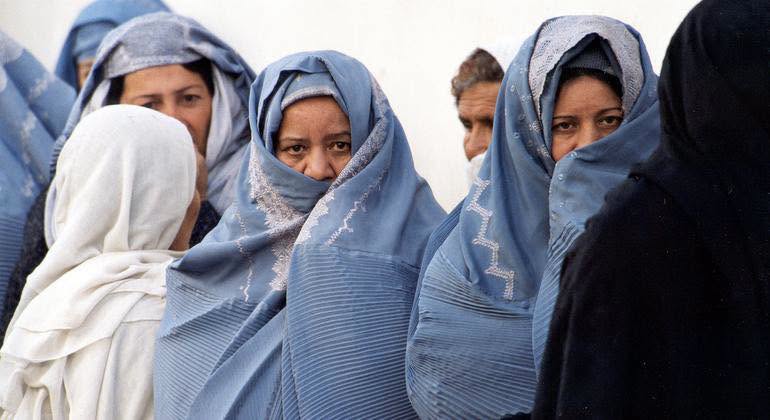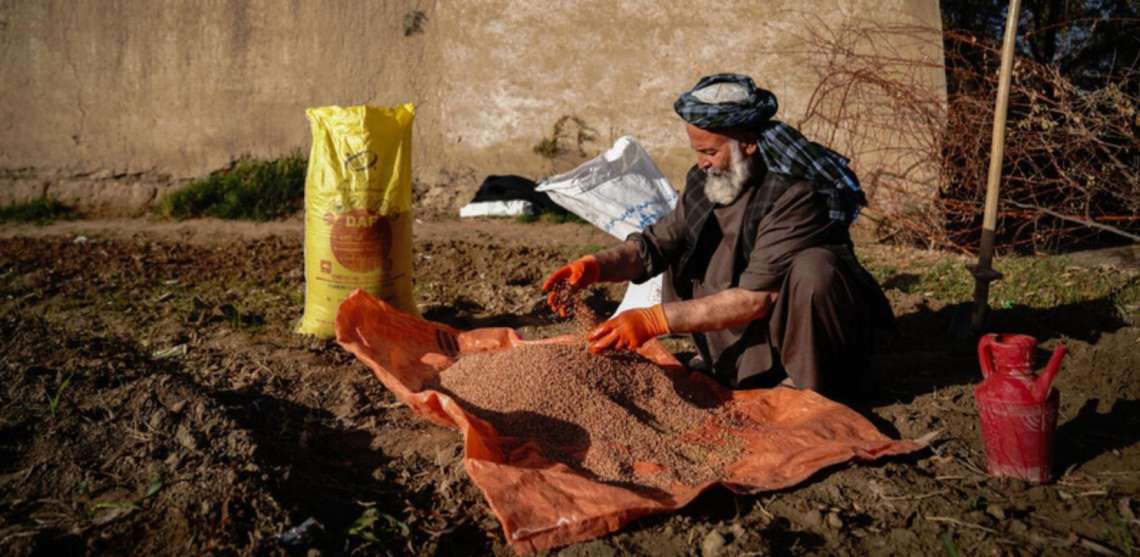
Nearly 16 million people in Afghanistan are facing acute food insecurity, with 3.4 million experiencing emergency levels of hunger…reports Asian Lite News Desk
Nearly 16 million people in Afghanistan are experiencing acute food insecurity, including 3.4 million facing emergency levels of hunger, according to the United Nations Office for the Coordination of Humanitarian Affairs (OCHA). The UN has warned that conditions could deteriorate further during the winter months, as unemployment, low incomes and limited access to essential services leave millions of families unable to afford enough food.
OCHA spokesperson Olga Cherevko issued the warning after visiting southern and northeastern Afghanistan, highlighting the growing difficulties faced by vulnerable communities ahead of winter, Afghanistan-based news agency Khaama Press reported.
Cherevko said years of conflict, economic hardship, drought and repeated crises had weakened the ability of Afghan households to cope with further shocks. Many families continue to struggle to secure adequate food because they lack reliable sources of income and face limited access to basic services.
The approaching winter is expected to intensify these challenges, as opportunities to earn money decline and the cost of meeting essential needs places further pressure on household finances.
Cherevko stressed that humanitarian assistance remained essential to saving lives but could not permanently replace public services, employment and sustainable sources of income.
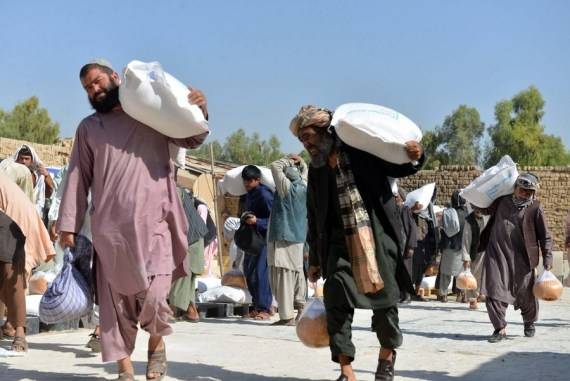
She called for greater investment in agriculture, rural livelihoods, local markets, employment opportunities, water systems and healthcare. She also highlighted the need to expand economic opportunities for women as part of efforts to strengthen communities and improve long-term food security.
The OCHA spokesperson urged the international community to act before winter, warning that aid must reach vulnerable households before they exhaust their remaining resources.
The warning comes amid broader concerns over Afghanistan’s deteriorating food security outlook. Last week, the Food and Agriculture Organisation (FAO) and the World Food Programme (WFP) projected that nearly 40 per cent of the country’s population would face high levels of acute food insecurity during the coming winter.
According to the latest Integrated Food Security Phase Classification (IPC) analysis cited by the agencies, approximately 19.2 million people, or 38 per cent of Afghanistan’s population, are expected to experience acute food insecurity during the November-April lean season. This compares with 17.4 million people projected to face similar conditions during the same period a year earlier.
Also Read: Afghanistan Human Rights Crisis Deepens, UN Report Warns
Around five million people are expected to face emergency levels of hunger, classified as IPC Phase 4. That figure is double the number projected for April-September 2026.
The worst conditions are expected in Badakhshan, Badghis, Daykundi, Ghor, Samangan, Sar-e-Pol and rural areas of Ghazni, according to the UN agencies.
The food crisis is also expected to contribute to a rise in malnutrition. FAO and WFP estimate that around four million people could experience acute malnutrition in 2027, an increase of nearly 10 per cent compared with 2026. About a quarter of these cases are expected to be severe and potentially life-threatening.
Women and children are likely to be particularly vulnerable, as prevention and treatment services struggle to keep pace with growing needs.
The agencies attributed the worsening outlook to several overlapping pressures, including the forced return of more than 1.2 million Afghans from Iran and Pakistan this year, border closures, disruptions to shipping through the Strait of Hormuz and significant shortfalls in humanitarian funding. These factors have contributed to rising prices for essential goods and increased pressure on already vulnerable households.
Although favourable rainfall helped improve crop production in 2026, the agencies warned that higher agricultural output had not resolved the affordability crisis. Persistent unemployment means many families who do not grow their own food remain unable to purchase a nutritious diet.
The UN agencies have called for sustained humanitarian assistance alongside longer-term investment in livelihoods and essential services to prevent further deterioration in food security.