US Central Command warns Iran’s Revolutionary Guard to conduct live-fire drills safely in the Strait of Hormuz, emphasising freedom of navigation and avoiding escalation amid heightened naval tensions.
The United States has called on Iran’s Islamic Revolutionary Guard Corps (IRGC) to exercise caution and avoid escalatory behaviour at sea as Tehran prepares a two-day live-fire naval exercise in the strategically vital Strait of Hormuz.
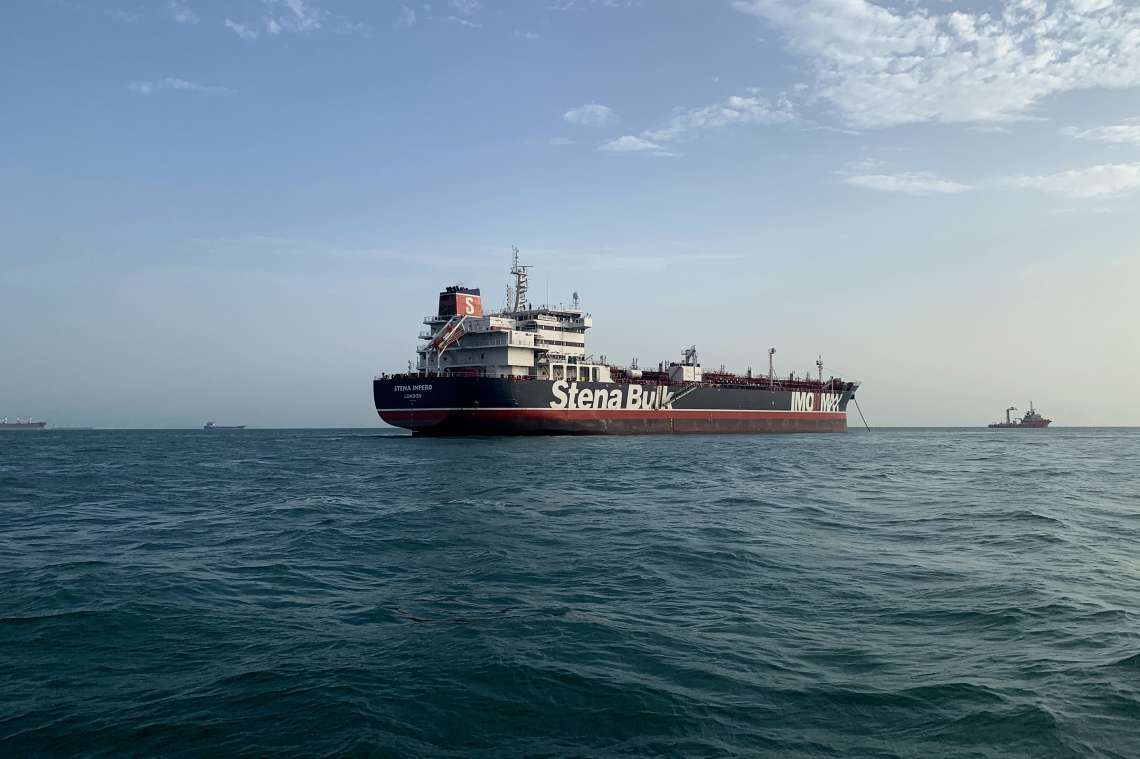
The warning, issued on Friday by US Central Command (CENTCOM), urged the IRGC to conduct its planned drills “in a manner that is safe, professional and avoids unnecessary risk to freedom of navigation” in what is one of the world’s busiest international sea passages, where around 100 merchant vessels transit daily.
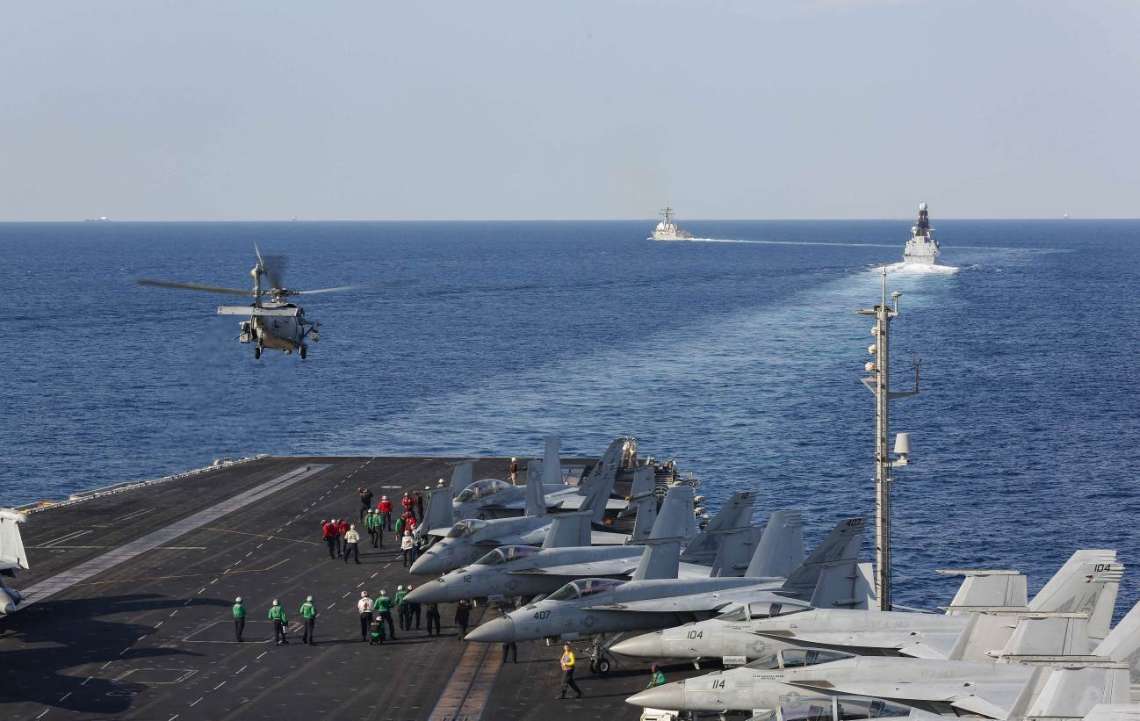
CENTCOM stressed that any unsafe or unprofessional actions near US forces, regional partners or commercial shipping risk collisions, unintended escalation and broader destabilisation. The command spelled out that behaviours such as high-speed boats on collision courses with US vessels, unclear low-altitude overflights or weapons trained on American forces would not be tolerated. It reaffirmed its commitment to the safety of US personnel, ships and aircraft operating in the Middle East.
Iran announced the upcoming drills in the Strait of Hormuz, scheduled to begin on Sunday and run for two days, as a demonstration of its naval capabilities. The strait connects the Persian Gulf with the Gulf of Oman and is a critical corridor for global energy and trade.
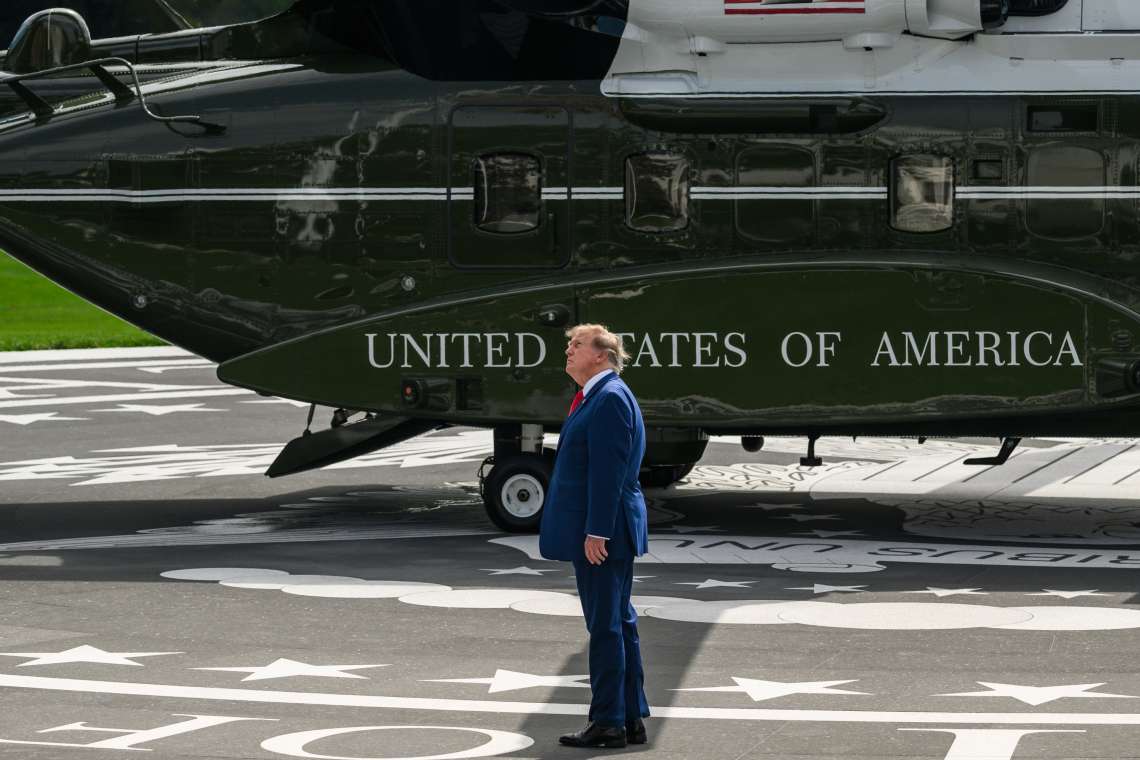
The CENTCOM admonition comes amid a heightened US naval presence in the region. In recent days, President Donald Trump said several US warships are being deployed toward Iran, with the force described as greater than the US presence near Venezuela. He framed the deployment as pressure aimed at securing diplomatic progress but declined to set any deadlines for negotiations.
Tensions between Washington and Tehran have been elevated for months, fueled by differences over sanctions, Iran’s regional activities and broader security issues in the Gulf. Naval posturing and public warnings from both sides reflect longstanding sensitivities around military activity in the region’s critical waterways, where freedom of navigation is closely tied to international trade and energy markets.