Growing trade deficit and reliance on Chinese capital spark economic concerns…reports Asian Lite News
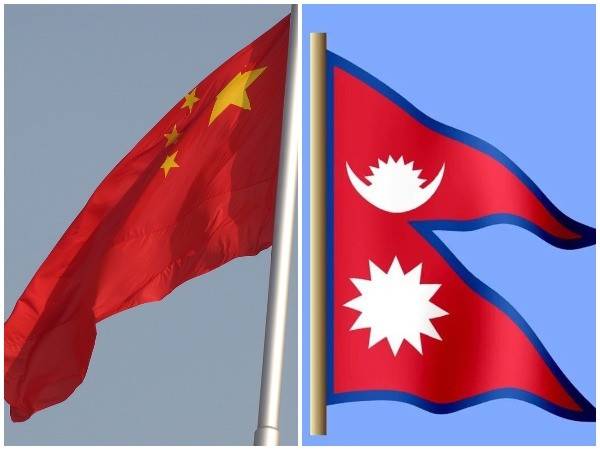
Nepal is becoming increasingly trapped in an uneven economic relationship with China, with a widening trade imbalance raising concerns over long term economic dependence, according to an article published in Eurasia Review.
The report noted that Nepal’s imports from China continue to surge, driven by demand for electronics, machinery, vehicles and textiles, while Nepal’s exports to its northern neighbour remain comparatively negligible.
During the first half of the 2025 26 financial year, Nepal’s imports from China crossed Rs 195 billion, whereas exports accounted for only a small fraction of that figure, highlighting the growing asymmetry in bilateral trade.
The article argued that infrastructure financing linked to China’s Belt and Road Initiative, which Nepal joined in 2017, has further deepened the imbalance between the two countries.
Citing World Bank research, the report said more than 60 per cent of Chinese funded Belt and Road projects worldwide are awarded to Chinese companies, compared with around 30 per cent for projects financed by non Chinese institutions.
As a result, Nepali firms often remain confined to limited roles in major infrastructure projects inside their own country, while Chinese companies dominate high value contracts involving equipment supply and specialised engineering services.
The article also highlighted the vulnerability of Nepal’s domestic manufacturing sector, which remains relatively small compared to regional economies.

Industrial production in Nepal is largely concentrated in sectors such as food processing, textiles and construction materials. However, local manufacturers operating in sectors that compete with Chinese imports have reportedly seen their market share decline.
According to the report, this trend reflects both competitiveness challenges and policy concerns, as foreign direct investment arrangements that bring Chinese capital into Nepal can also intensify competition for domestic industries.
The article further stated that Nepal’s central bank and Finance Ministry have already identified excessive dependence on Chinese imports as a structural economic risk.
Addressing the issue would require Nepal to diversify its import sources through new trade agreements and supply chain development or significantly strengthen domestic industrial production through investment and skills development.
However, the report noted that Nepal currently lacks the financial capacity to independently fund such large scale economic transformation, leaving it reliant on external investment, including from China.
The article concluded that while Chinese capital remains readily available for infrastructure and industrial projects, the conditions attached to such financing often reinforce the same cycle of economic dependence and imbalance.