RSP President Rabi Lamichhane is set to visit New Delhi for high-level meetings amid growing scrutiny of Nepal-India relations….reports Asian Lite News Desk
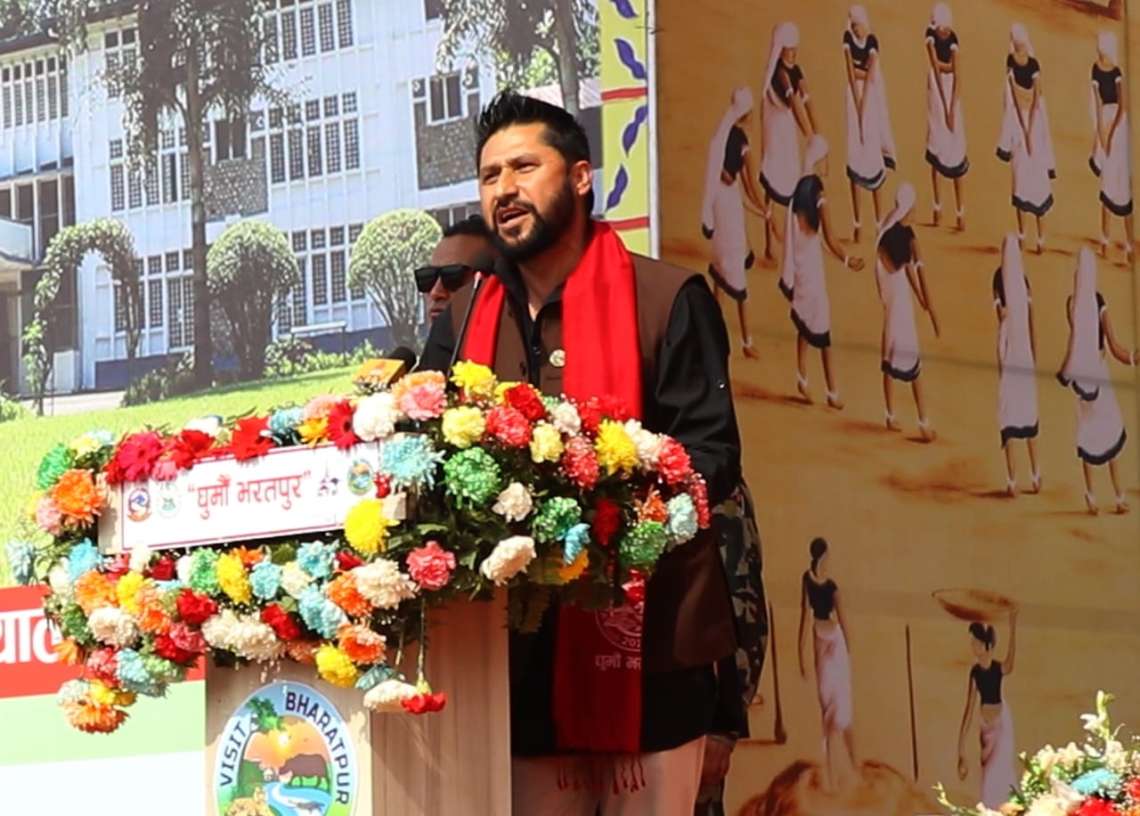
Rabi Lamichhane, president of Nepal’s ruling Rashtriya Swatantra Party (RSP), is scheduled to visit India on June 1-2, a trip that comes at a time of growing diplomatic sensitivities between Kathmandu and New Delhi and uncertainty surrounding a proposed visit by Nepal Prime Minister Balendra Shah.
According to RSP spokesperson Manish Jha, Lamichhane will travel to New Delhi at the invitation of the Bharatiya Janata Party (BJP). During the two-day visit, he is expected to hold meetings with senior Indian leaders, including Prime Minister Narendra Modi and External Affairs Minister S. Jaishankar, in addition to BJP officials.
“We will announce details about the visit on Monday,” Jha told IANS.
Neither the BJP nor the Indian government has formally announced the visit. However, political observers note that the BJP has increasingly focused on strengthening party-to-party ties alongside traditional state-to-state diplomatic engagement. Leaders of several Nepali political parties have visited India in recent years under similar arrangements.
The visit is significant as the RSP, founded only in 2022, currently leads Nepal’s first government backed largely by younger voters. The party secured a commanding mandate in the House of Representatives and has emerged as a major force in Nepali politics. Several RSP leaders described Lamichhane’s visit to India as a natural step given the close relationship between the two neighbouring countries.
Lamichhane’s trip comes against the backdrop of recent strains in India-Nepal relations. Earlier this month, Nepal lodged formal protests with both India and China after the two countries announced that Indian pilgrims would travel to Kailash Mansarovar through the disputed Lipulekh region without Kathmandu’s approval. Nepal claims sovereignty over Lipulekh, Kalapani and Limpiyadhura, areas that remain under India’s effective control.
Trade issues have also contributed to friction. Nepal’s stricter enforcement of customs duties on goods worth more than Rs 100 brought across the border from India sparked protests among Indian traders who depend on Nepali customers. While Nepal argued the measure was aimed at curbing smuggling, implementation of the rule has been suspended following an interim order from Nepal’s Supreme Court.
Another source of concern was India’s requirement for mandatory laboratory testing of all Nepali tea shipments entering the country. The measure affected Nepal’s tea exports before New Delhi revised the policy, limiting testing requirements to tea intended for re-export to third countries while exempting tea destined for domestic Indian consumption.
The abrupt cancellation of Indian Foreign Secretary Vikram Misri’s planned visit to Nepal on May 11 further fuelled speculation about tensions between the two sides. Although Prime Minister Modi has formally invited Prime Minister Shah to visit India, the Nepali leader has yet to finalise a date for the trip.
According to senior RSP leaders, Shah is reluctant to undertake foreign visits before completing 100 days in office. Shah assumed office on March 27 and has indicated that several bilateral issues should first be addressed through official channels to ensure any future visit produces tangible outcomes.
Former Nepali ambassador to India Lok Raj Baral said Lamichhane’s visit could help strengthen political understanding between the ruling parties of the two countries, even if major bilateral disputes remain unresolved. He noted that India would naturally seek closer engagement with a political party that enjoys a significant mandate in Nepal.
Baral also pointed to longstanding issues such as border disputes and trade disagreements as recurring irritants in bilateral ties, though he described such differences as common between neighbouring countries.
The visit is also being closely watched as an indication of how the relatively new RSP government intends to shape Nepal’s foreign policy. Prime Minister Shah has repeatedly stressed that his administration will adhere to Nepal’s traditional diplomatic principles and pursue balanced relations with all countries.
However, Baral questioned whether a policy of strict equidistance among major powers is practical given Nepal’s unique and multifaceted relationship with India. He argued that decisions on diplomatic engagement should be guided primarily by national interests rather than rigid adherence to protocol.
As Lamichhane prepares for his New Delhi visit, analysts say the meetings could offer an opportunity to rebuild momentum in bilateral engagement at a time when several political, economic and strategic issues remain under discussion between the two neighbours.