Nicolás Maduro, Venezuela’s working-class president, is central to a rapidly unfolding crisis after US claims of strikes and his alleged capture, deepening regional instability.
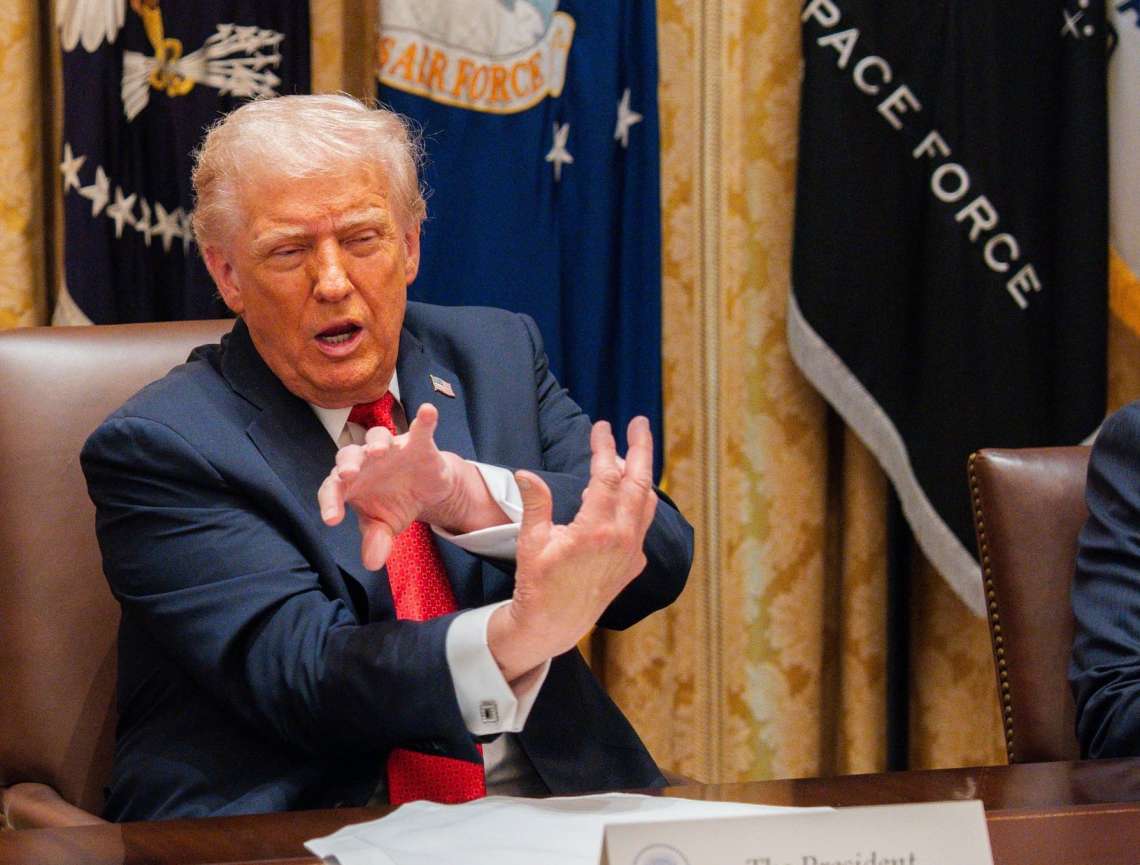
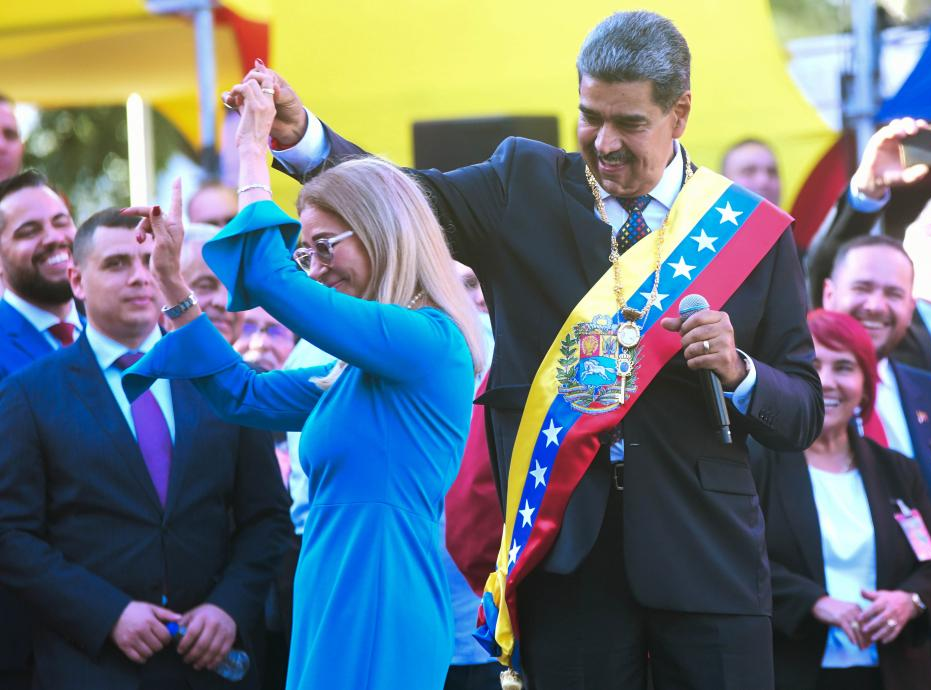
Nicolás Maduro, Venezuela’s polarising leader and the country’s first working-class president, has been at the centre of fresh international turmoil after US President Donald Trump claimed on Saturday that Maduro and his wife were “captured” and flown out of the country following large-scale strikes on Caracas.
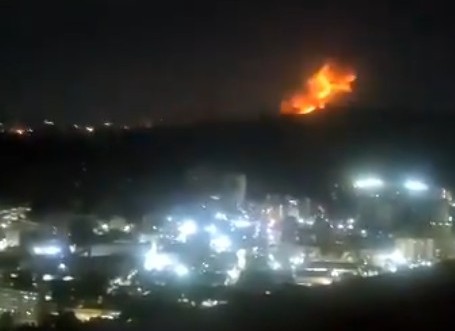
Trump posted the allegation on his social platform, Truth Social, saying the operation — conducted, he claimed, in conjunction with US law enforcement — had removed the Venezuelan president. He said further details would be provided at a planned news conference. The dramatic assertion came amid reports of several loud explosions in the Venezuelan capital in the early hours of Saturday, which residents said sparked panic and brief power and communications disruptions.
The developments come against a backdrop of mounting tensions between Washington and Caracas. Maduro has long accused the United States of seeking to destabilise Venezuela. In a recent interview with former Ecuadorian president Rafael Correa on the RT network, Maduro warned that the US was “creating a false narrative to justify military action” and suggested Washington’s motives centred on controlling Venezuela’s natural resources.
Born in Caracas on 23 November 1962, Maduro rose from the ranks of the working class. He began his career as a driver on the Caracas Metro and became a union leader and a founding figure in the Metro workers’ union. He was an early member of the Bolivarian Revolutionary Movement 200 and a close ally of Hugo Chávez, who named him as his political heir.
Maduro’s political career included serving as a deputy for the Federal District and a period as foreign minister, during which he helped promote regional initiatives such as ALBA and Petrocaribe. He became acting president after Chávez’s death in 2013 and was elected constitutional president later that year, becoming the first Chavista leader from a working-class background to hold the office.
His tenure has been marked by controversy and deep polarisation. After winning the July 2024 presidential election with 51.95 per cent of the vote, Maduro was sworn in for a third term in January 2025 and pledged constitutional reforms aimed at what he described as modernising Venezuela’s political and economic framework. He has repeatedly rejected accusations from the US linking his government to organised crime, insisting that Washington’s criticisms mask a desire to seize control of Venezuela’s oil and mineral wealth.
Tensions escalated last year when President Trump signalled he would not rule out military intervention to dismantle what his administration called “narco-terrorists”. Reports have also suggested that, amid the crisis, Maduro resisted calls to relinquish power and reportedly sought guarantees such as immunity from prosecution and retention of military control — claims that have yet to be independently verified.
Saturday’s explosions and the capture claim have provoked sharp condemnation from Caracas, which described the alleged attack as “extremely serious military aggression” and accused the United States of attempting to undermine Venezuela’s sovereignty. The situation remains fluid, with Venezuelans and international observers awaiting confirmation and clearer detail on the events and their consequences for the country and the wider region.