Brent crude briefly tops $117 as Houthi attacks on Saudi energy infrastructure, a UAE oil spill and renewed US-Iran war fears unsettle global markets…reports Arab Daily News Desk
Oil prices surged to a six-month high on Friday as escalating tensions across the Middle East, Houthi attacks on Saudi Arabia and fears of renewed US military action against Iran heightened concerns over global energy supplies.
Brent crude, the international benchmark, climbed to $117.45 a barrel during the session before easing to settle at $116.72, up $3.55, or 3.14 per cent. It was the benchmark’s highest closing price since 29 April.
US West Texas Intermediate (WTI) crude rose $3.80, or 3.8 per cent, to settle at $103.27 a barrel. Brent gained around 6 per cent over the week, while WTI advanced 2.3 per cent.
The rally reflects mounting anxiety that the expanding regional conflict could disrupt oil production and shipments through key maritime routes, adding to pressure on energy markets and threatening to push up costs for businesses and consumers worldwide.
The latest price surge followed a series of attacks by Yemen’s Iran-aligned Houthi movement across Saudi Arabia, including strikes affecting energy infrastructure.
Saudi Arabia is the world’s largest crude oil exporter, making any threat to its production facilities and export routes a major concern for global markets.
Saudi Aramco ordered the evacuation of its headquarters in Dhahran on Thursday, 22 October, as tensions intensified. The move added to concerns over the security of the kingdom’s energy operations, although an evacuation alone does not establish that oil production or exports have been interrupted.
“Fears of supply disruptions drove the advance after Iranian-backed Houthi rebels carried out a series of attacks across Saudi Arabia, including on energy infrastructure,” said Adam Turnquist, chief cross-asset strategist at LPL Financial.
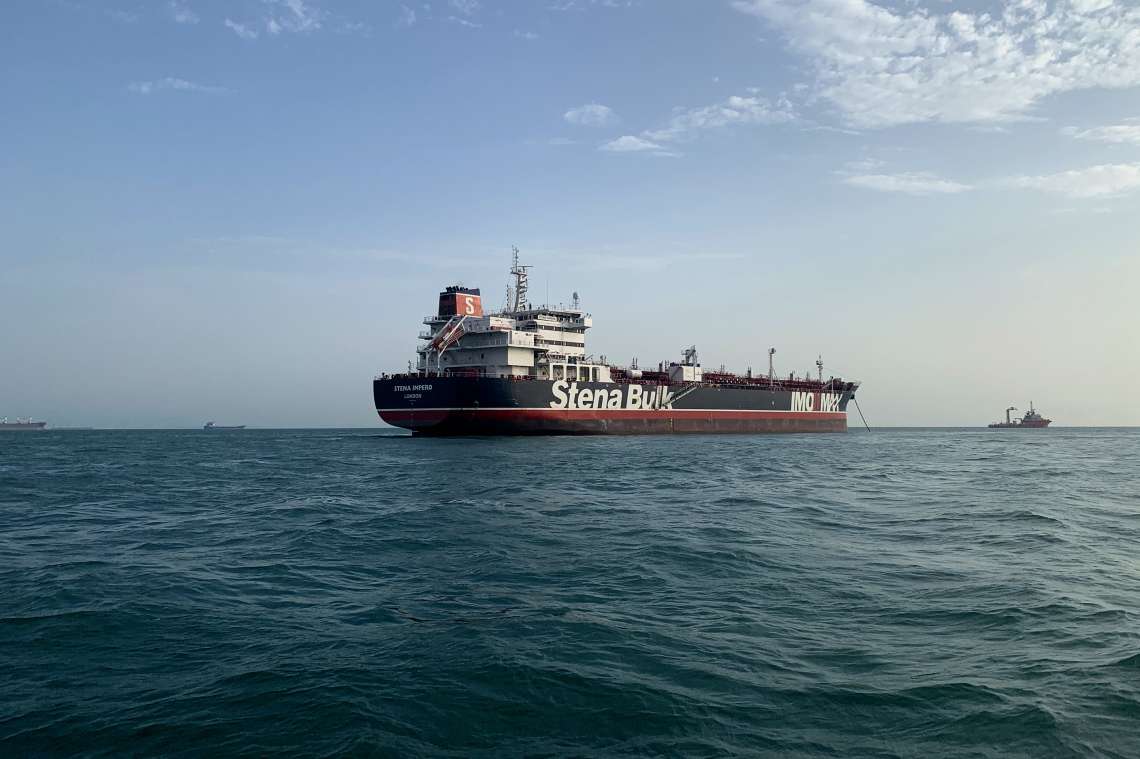
The UAE also reported an oil spill from a tanker off the coast of Umm Al Quwain. Authorities had not identified the vessel or disclosed the cause of the spill, adding another concern to an already unsettled regional energy picture.
Iran remain a concern
Oil markets have also been reacting to the prospect of renewed American and Israeli military action against Iran.
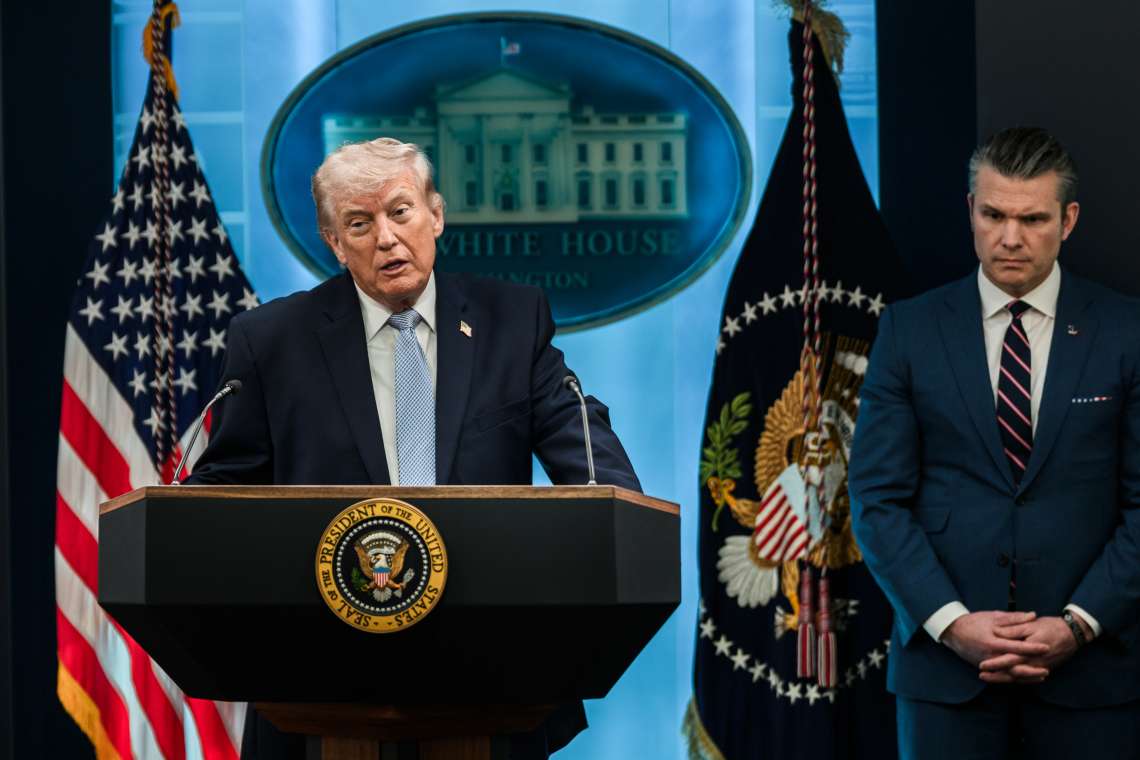
US President Donald Trump has warned that Washington could launch further strikes if Tehran fails to reach an agreement with the United States. Reports that the administration could consider renewed military action after the US midterm elections on 3 November have added to market uncertainty.
The Strait of Hormuz remains a particular concern. The strategic waterway is a vital route for international oil shipments, and attacks on commercial vessels have increased the risks facing ships operating in and around the Gulf.
Iran’s Revolutionary Guard has claimed to have struck commercial ships in the strait, while Washington has ordered some US diplomats and family members of government employees to leave Saudi Arabia amid the deteriorating security situation.
Market participants are watching closely for evidence of actual disruptions to oil production, loading operations and tanker movements, which could determine whether prices continue rising.
Governments weigh measures to ease pressure
The price surge has renewed attention on emergency supplies and measures to cushion the impact of disruption.
The US Department of Energy authorised an emergency exchange of up to 400,000 barrels of crude from the Strategic Petroleum Reserve to address a supply disruption affecting Phillips 66’s Lake Charles refinery in Louisiana.
The measure is intended to address a specific refinery supply problem rather than constitute a general release of oil to counter the latest market rally. Germany’s national oil stockpiling agency has also circulated a tender for diesel, heating oil and crude from strategic reserves.
Meanwhile, disruptions elsewhere are adding to the uncertainty. Production at Libya’s Hamada and Tahara oilfields fell after a valve was shut on a pipeline linking the fields to the port of Zawiya, according to reporting citing the head of Libya’s National Oil Corporation.
These developments underline how regional conflict and infrastructure problems can compound supply concerns even without a complete shutdown of a major export route.
Higher crude prices can feed through to petrol and diesel costs, transport charges, manufacturing expenses and household energy bills. If elevated prices persist, they could also complicate efforts by central banks to bring inflation under control.
The latest rally is particularly concerning because oil has already experienced substantial volatility during the conflict. Brent was trading at around $72 a barrel before the war began in February and reached $126 in late April before retreating.
The direction of prices will now depend heavily on whether hostilities intensify, whether oil infrastructure sustains further damage and whether commercial shipping can continue operating safely through the region.