The allegations include claims of illegal kidney removal and recruitment through false promises of employment….reports Asian Lite News Desk
Concerns have been raised over alleged human organ trafficking networks operating between Pakistan and Bangladesh, with intelligence sources and security analysts warning of potential risks to vulnerable Bangladeshi citizens travelling abroad for work and medical treatment.
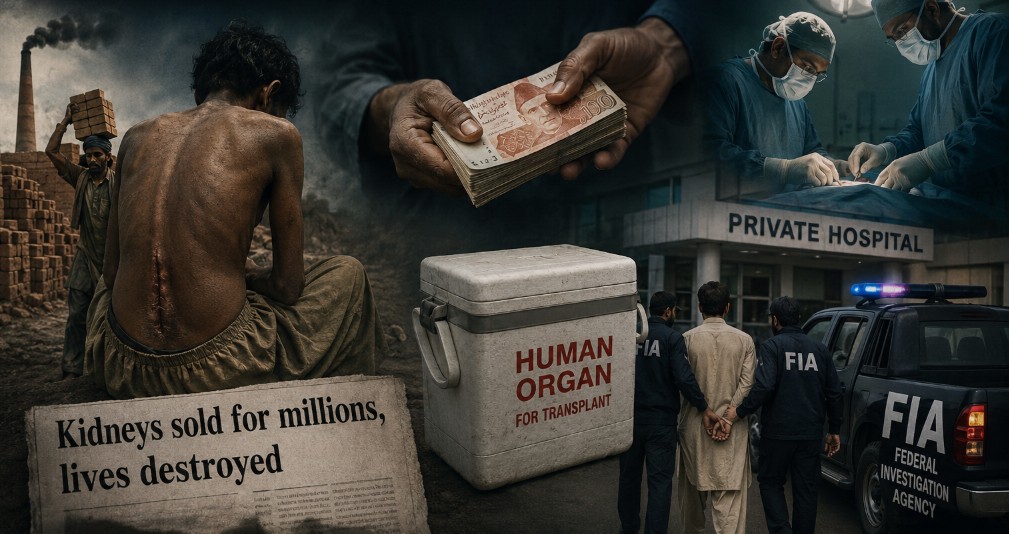
According to a report published by Bangladeshi newspaper Blitz, several intelligence sources have alleged that organised trafficking networks linked to Pakistan are recruiting Bangladeshis through promises of employment and other opportunities before subjecting them to illegal organ harvesting operations.
The report, written by Blitz editor Salah Uddin Shoaib Choudhury, cites unnamed intelligence sources claiming that victims are offered jobs with monthly salaries of up to 750 US dollars and persuaded to travel to Pakistan.
According to the allegations, individuals arriving in Lahore are taken to private medical facilities under the pretext of routine health examinations. Sources cited in the report claim that victims are then rendered unconscious and subjected to illegal kidney removal procedures without their consent.
The report further alleges that victims who discover the deception are confined to isolated locations before eventually being repatriated to Bangladesh.
According to the claims, individuals are allegedly pressured to sign documents stating that they voluntarily donated their organs to relatives before being allowed to return home.
Choudhury reported that at least four trafficking networks are believed to be involved in recruiting Bangladeshi nationals.
Citing information allegedly shared by Bangladesh’s diplomatic mission, the report states that Lahore Police identified one such network operating under the cover of a company called Zakir Traders (Private) Limited, which is accused of presenting itself as a provider of medical services for Bangladeshi patients.
The report also alleges that some hospitals and private clinics in Lahore may be involved in facilitating illegal transplant procedures.
According to the claims, trafficking victims are admitted to healthcare facilities under the guise of legitimate treatment while legal safeguards governing organ transplantation are allegedly bypassed through fraudulent documentation.
In addition to the organ trafficking allegations, the report refers to intelligence inputs describing what sources characterised as a more serious operation involving Pakistani criminal networks.
According to the claims, some Bangladeshi citizens travelling to Pakistan for tourism, employment or other purposes may have been deliberately exposed to HIV through deceptive practices during medical examinations and pathological testing.
However, the report notes that these allegations require thorough investigation and independent verification.
No official evidence has been publicly presented to substantiate the claims, and the allegations have not been independently confirmed.
The report comes at a time of increasing diplomatic engagement between Dhaka and Islamabad, with security analysts calling for greater scrutiny of cross-border criminal networks and stronger protections for vulnerable migrant workers.
Authorities in both countries have yet to publicly comment on the specific allegations contained in the report.