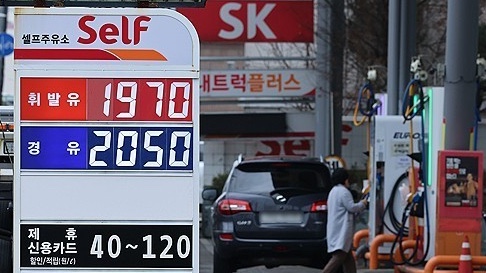
South Korea launches first-ever oil swap scheme to protect refiners from West Asia supply shocks, bolster energy security, and diversify crude imports amid geopolitical tensions, reports Asian Lite Newsdesk
South Korea has unveiled its first-ever oil swap programme, a move designed to help domestic refiners manage potential supply disruptions amid escalating tensions in West Asia. The initiative allows refiners to borrow crude from government reserves and return equivalent volumes at a later date, offering a flexible buffer against short-term market shocks.
Announced by the Ministry of Trade, Industry and Resources on Tuesday, the programme aims to ensure stable crude supply while supporting the country’s broader strategy to diversify imports away from the volatile West Asian region.
“This is a flexible use of stockpiles to manage timing gaps as refiners secure alternative supplies,” said Yang Ki-wook, deputy minister for resource security. “We supply crude only when incoming shipments are confirmed and receive it back later.”
The scheme comes at a time of heightened concern over the security of oil shipments through the Strait of Hormuz, a critical chokepoint for global energy trade. South Korea, which sources a significant portion of its crude from West Asia, is particularly exposed to disruptions stemming from conflicts or blockades in the region.
By allowing refiners to borrow from strategic reserves, the government aims to mitigate the impact of sudden supply shortfalls without immediately depleting national stockpiles. “The goal is not to conserve reserves but to encourage refiners to actively secure alternative supplies,” Yang added.
Details of the Programme
All four of South Korea’s domestic refiners are expected to participate in the scheme, with combined demand estimated at around 20 million barrels. Initially, the programme will run through April and May, with the possibility of extension depending on market conditions.
Officials emphasised that the swap programme strengthens overall supply chain resilience while maintaining reserve levels for long-term energy security. The initiative also supports refiners in sourcing crude from diverse markets, reducing dependence on any single region.
“The new mechanism provides a buffer against price volatility and supply shortages, while allowing authorities to manage reserves efficiently,” the ministry said.