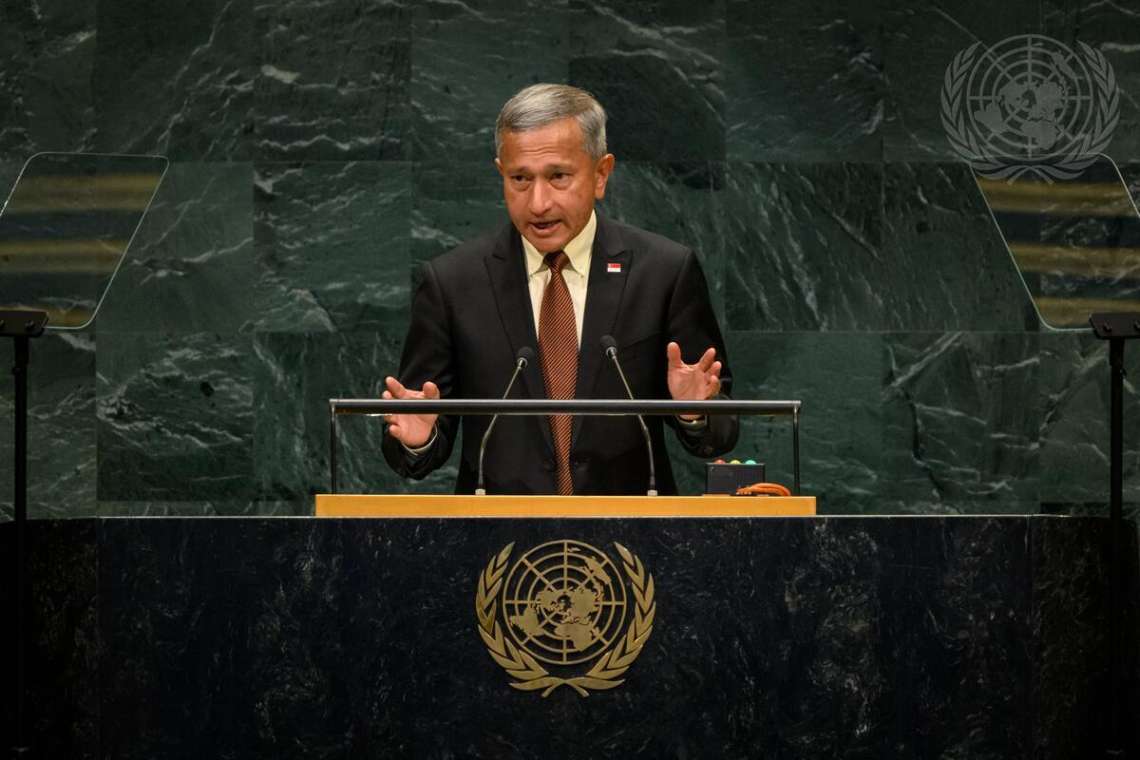
Foreign Minister Vivian Balakrishnan highlighted concerns over loss of control, malicious use and declining public trust as AI systems become more powerful….reports Asian Lite News Desk
Singapore has called for discussions on a possible United Nations convention on artificial intelligence, warning that governments face significant risks from increasingly autonomous systems even as they seek to harness the technology for economic growth.
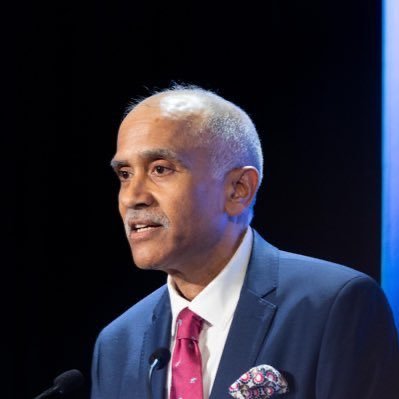
Speaking at an Asia Society discussion, Singapore Foreign Minister Vivian Balakrishnan identified three broad areas of concern: the possibility of losing control over AI agents, the ability of malicious actors to misuse the technology and the potential impact of AI generated content on public trust and political debate.
“I’m not a doomsdayer, but I think the risks are very high,” Balakrishnan said.
He questioned whether developers could guarantee complete control over increasingly advanced AI systems. “Anyone who tells you, even the creator of the AI, that he’s got absolute control of the kill switch is fooling you,” he said, adding that “loss of control is a very real risk.”
Balakrishnan also warned that AI could potentially make it easier for malicious actors to develop biological or chemical weapons. Another concern, he said, was the ability to create highly convincing images and videos, which could make it increasingly difficult for people to distinguish authentic information from fabricated material.
He argued that governments should focus on developing safeguards while allowing AI technology to continue advancing. Balakrishnan compared the approach to driving a powerful car, saying advanced technology would require appropriate brakes, seat belts and rules.
“I’m not a believer in putting a halt to AI development,” he said. “I’m not even a believer in, you know, just putting the brakes on AI.”
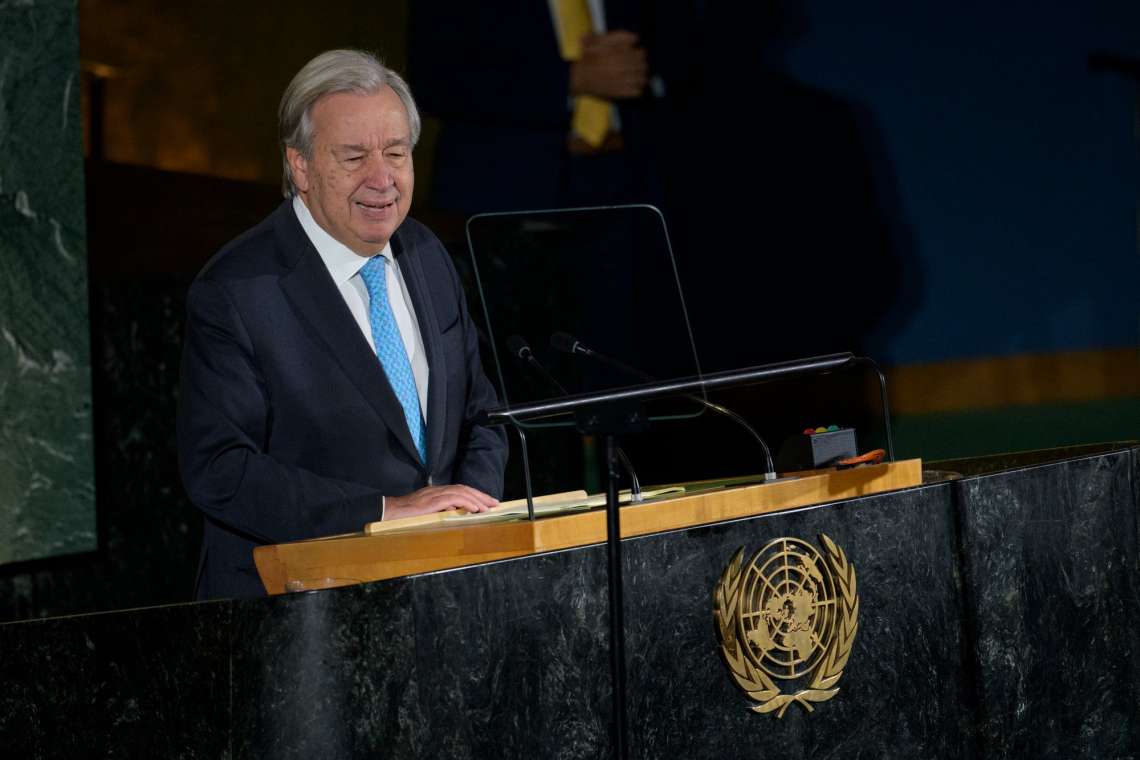
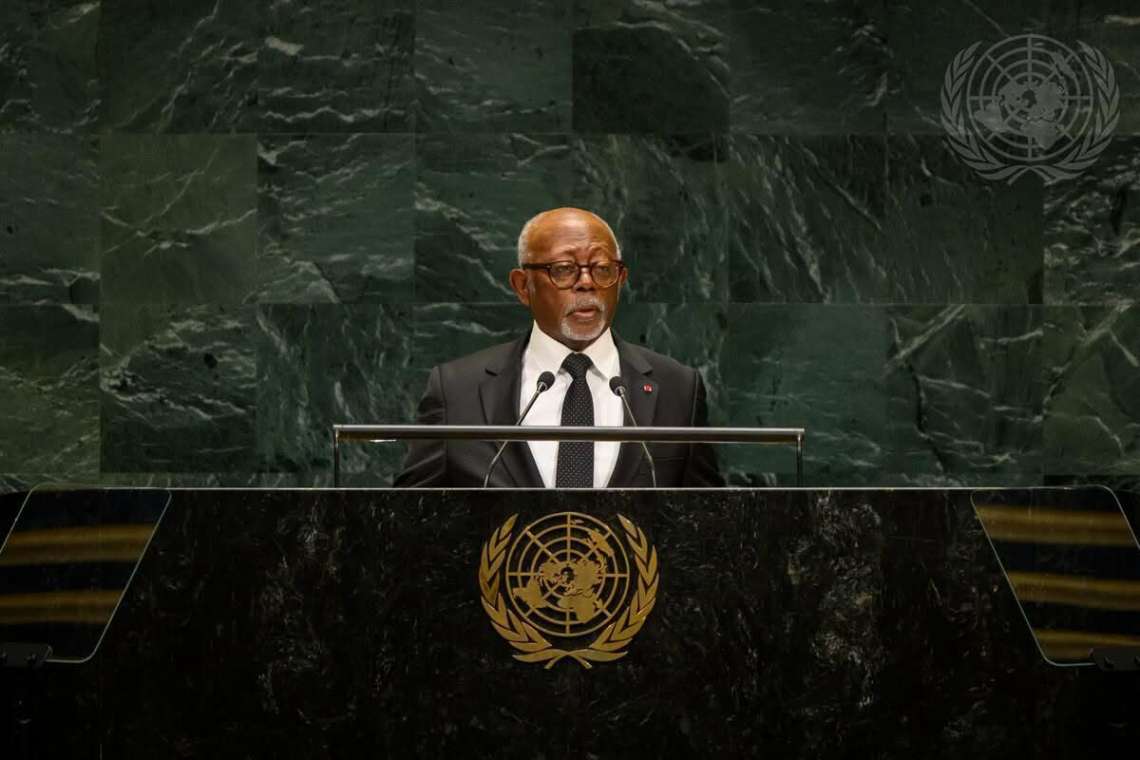
Instead, he suggested that international cooperation could provide a framework for managing the risks. Balakrishnan said the UN could offer a forum in which countries with different levels of technological development and different national interests could participate in discussions on AI governance.
“Do we need a UN convention on AI?” he asked, pointing to international agreements covering areas such as the law of the sea and climate change as examples of complex negotiations that eventually produced global frameworks.
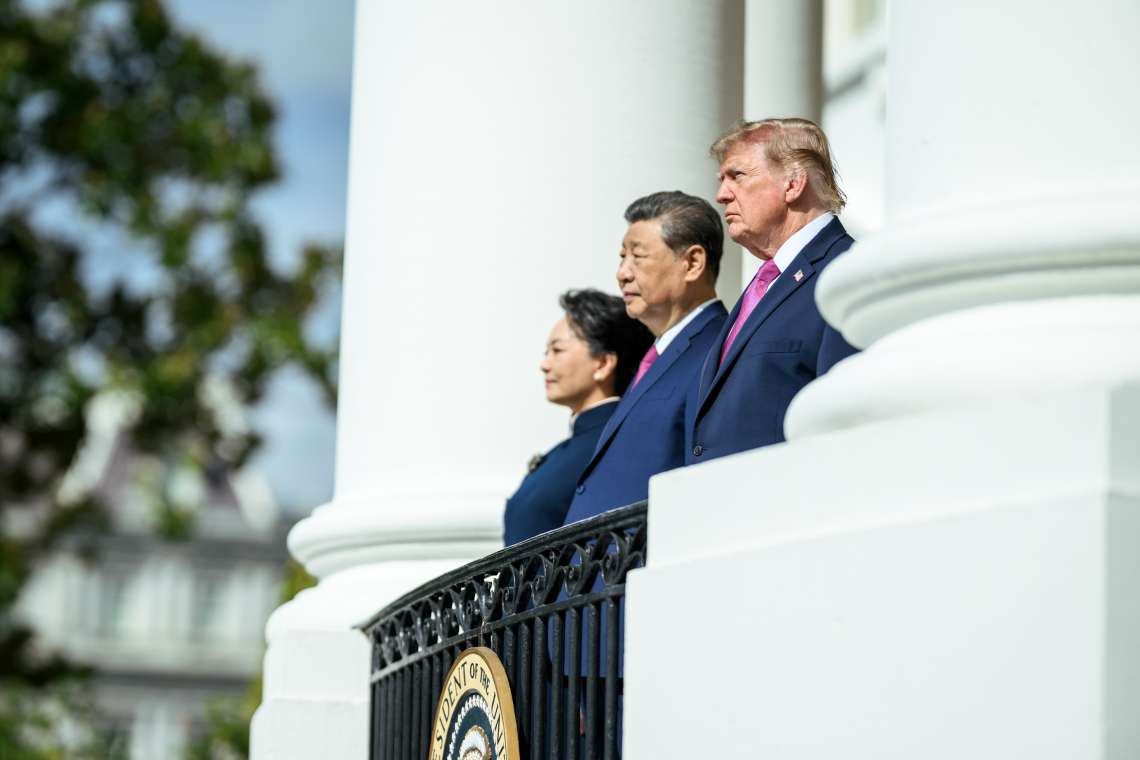
Balakrishnan also welcomed discussions on AI between US President Donald Trump and Chinese President Xi Jinping, while acknowledging concerns that the safeguards emerging from their engagement remained limited.
“You need to start somewhere, and I’m glad that that discussion is going on,” he said.
The Singaporean minister described the United States and China as technological competitors that nevertheless operate from broadly similar foundations in AI development. He estimated that the US had a lead of around six months in frontier AI models, while noting China’s determination to capitalise on the emerging technology.
He said the relationship between Washington and Beijing would have significant consequences for Southeast Asia, where governments are seeking to benefit from AI while navigating competition between the two major technological powers.
For Singapore and other countries in the region, Balakrishnan said priorities included securing access to AI technology, keeping supply chains open and finding practical applications across their economies.
Southeast Asian countries were unlikely to compete with the US and China in developing the most advanced frontier models, he said. However, the region could potentially develop an advantage in applying AI to public services and other areas.
Balakrishnan said this would require governments to prepare their populations for changes in the workplace. Education systems would need to adapt, while workers would require continued training as AI changes the nature of different tasks.
He said Singapore was particularly focused on workers whose existing responsibilities could be altered by AI. It remained uncertain whether individual jobs would disappear entirely, he said, but governments needed to prepare people for disruption caused by technological change.
The comments add to wider international discussions over how AI should be governed as governments and businesses expand its use. Singapore’s proposal for discussions at the UN would place the technology alongside other areas where countries have sought common international rules and cooperation.