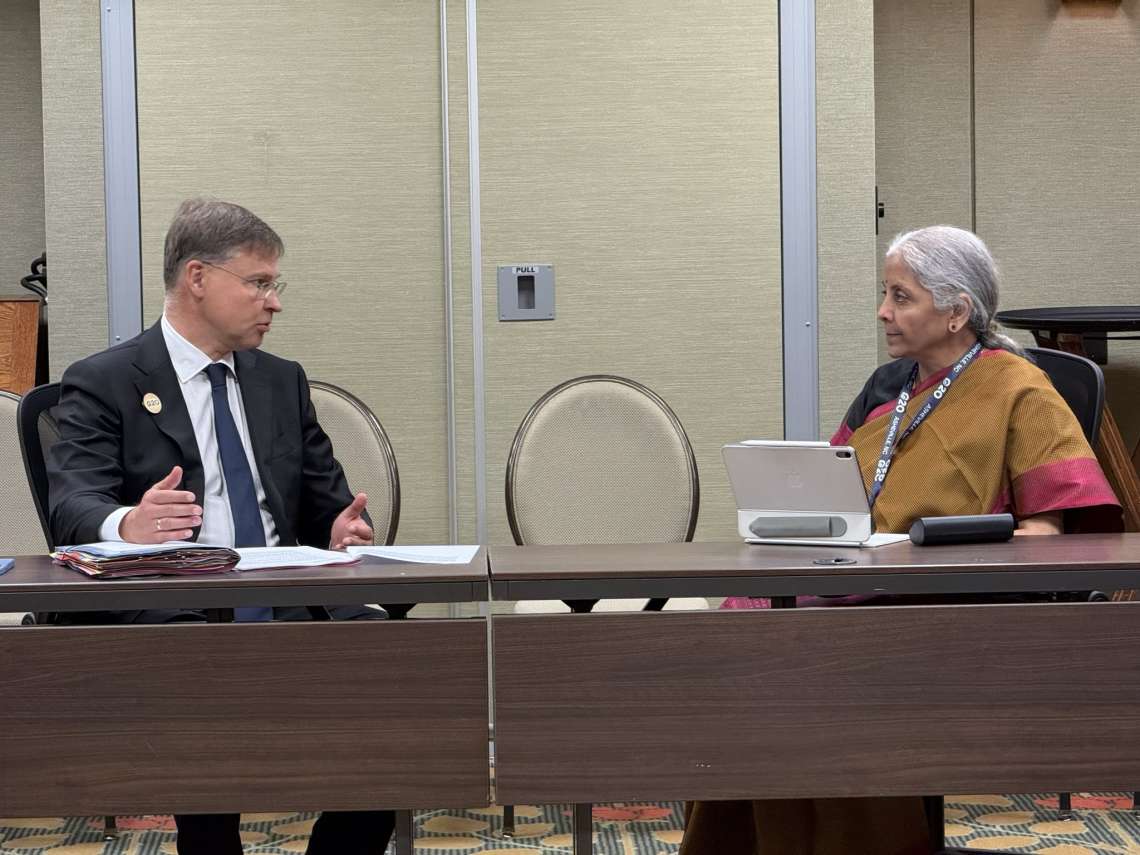
Finance Minister Nirmala Sitharaman held separate talks with Russian and South Korean officials on economic cooperation and shared global challenges.The meetings in Asheville also covered multilateral development banks, investment, critical minerals, green finance and digital payments…reports Asian Lite News Desk
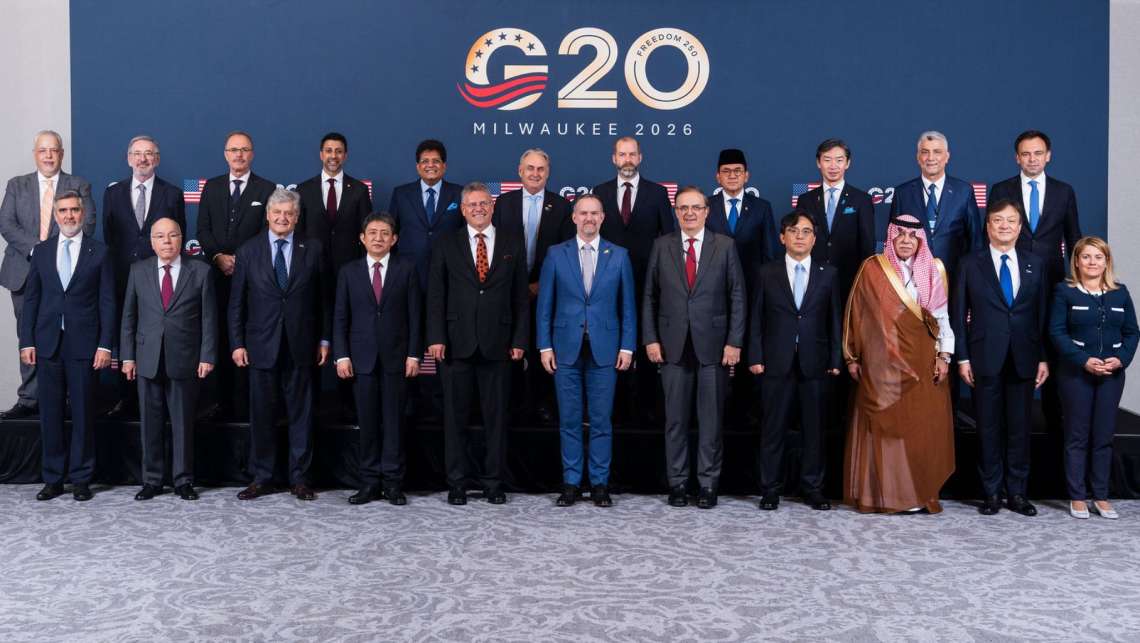
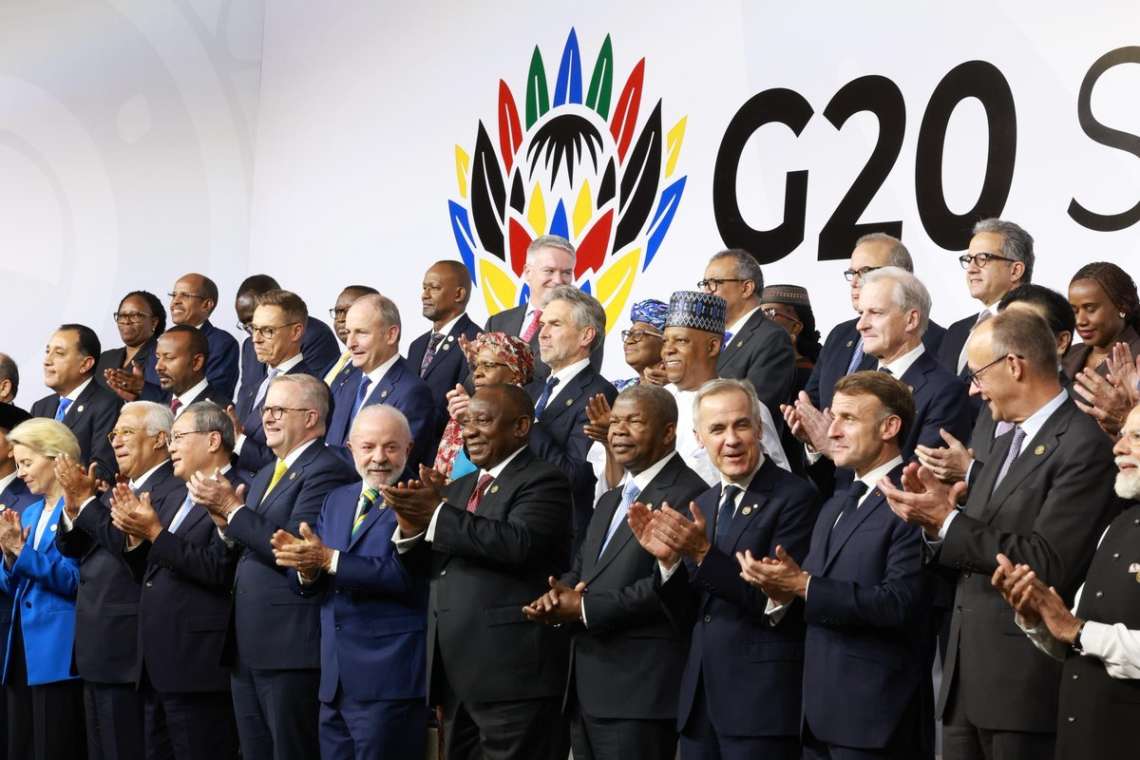
Finance Minister Nirmala Sitharaman held separate bilateral meetings with senior Russian and South Korean officials on the sidelines of the G20 Finance Ministers and Central Bank Governors meeting in Asheville, the US.
The Ministry of Finance shared details of the discussions in a series of posts on X, highlighting efforts to strengthen economic and financial cooperation with both countries.
Sitharaman met Russian Finance Minister Anton Siluanov to discuss bilateral cooperation, regional and global economic developments and issues of shared interest in multilateral forums.
The two sides discussed cooperation through the New Development Bank and the Asian Infrastructure Investment Bank, including areas of mutual interest that could strengthen both institutions as effective multilateral development banks.
They also discussed the establishment of a Shanghai Cooperation Organisation Development Bank.
Sitharaman separately met South Korea’s Deputy Prime Minister and Minister of Economy and Finance, Koo Yun-cheol.
The Finance Ministry said Sitharaman described South Korea as an important economic partner for India and highlighted the mutually beneficial nature of the relationship.
“The Union Finance Minister acknowledged that India considers the Republic of Korea a very important economic partner, and the relationship has been mutually beneficial across several dimensions,” the ministry said.
The ministers discussed strengthening bilateral economic and financial cooperation, including plans to take forward the India-Korea Finance Ministers’ Meeting through early working-level consultations.
Sitharaman noted that India and South Korea have had a Special Strategic Partnership since 2015. She also pointed to the Joint Strategic Vision for 2026-2030 announced during South Korean President Lee’s state visit to India in April 2026.
The Finance Minister said India wanted to expand cooperation with South Korea in emerging and strategic areas, including critical minerals and resilient supply chains.
She also welcomed greater South Korean investment in emerging sectors in India and said Indian companies would explore investment opportunities in South Korea to promote mutually beneficial investment flows.
The discussions also covered investment cooperation through the National Investment and Infrastructure Fund and progress on a proposed concessional credit line under South Korea’s Economic Development Cooperation Fund framework.
The proposed financing is aimed at supporting infrastructure and green-transition investments in India.
Digital payments were another area discussed during the meeting. The two sides reviewed ongoing efforts to establish interoperability between India and South Korea’s QR-based payment systems.
According to the Ministry of Finance, such interoperability could make cross-border payments easier while strengthening economic and people-to-people links between the two countries.
Koo Yun-cheol highlighted India’s growth potential and the scale of its economy, saying stronger bilateral cooperation could further boost trade and investment between the two countries.
Sitharaman also held meetings with other international economic leaders during the G20 gathering.

She met International Monetary Fund Managing Director Kristalina Georgieva to discuss the global economic outlook and India’s evolving growth trajectory.
The Finance Minister also held high-level bilateral meetings with World Bank Group President Ajay Banga and European Commission Commissioner for Economy and Financial Affairs Valdis Dombrovskis.
The series of meetings comes as G20 finance officials discuss international economic developments and cooperation across areas including investment, financial institutions and sustainable growth.
For India, the bilateral discussions provided an opportunity to advance economic ties with key partners while also addressing broader issues through multilateral financial institutions.