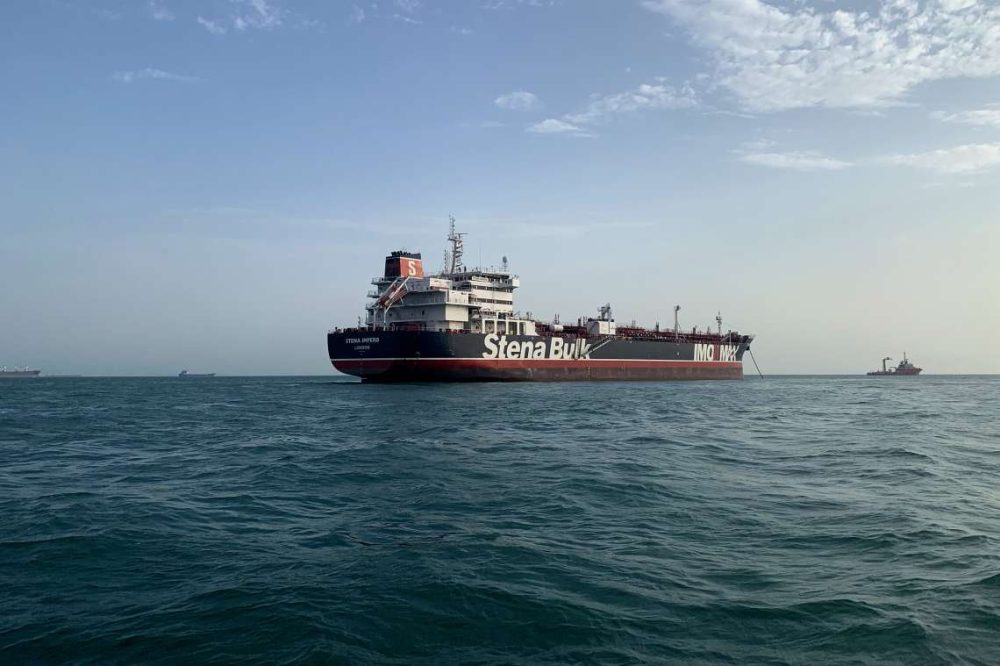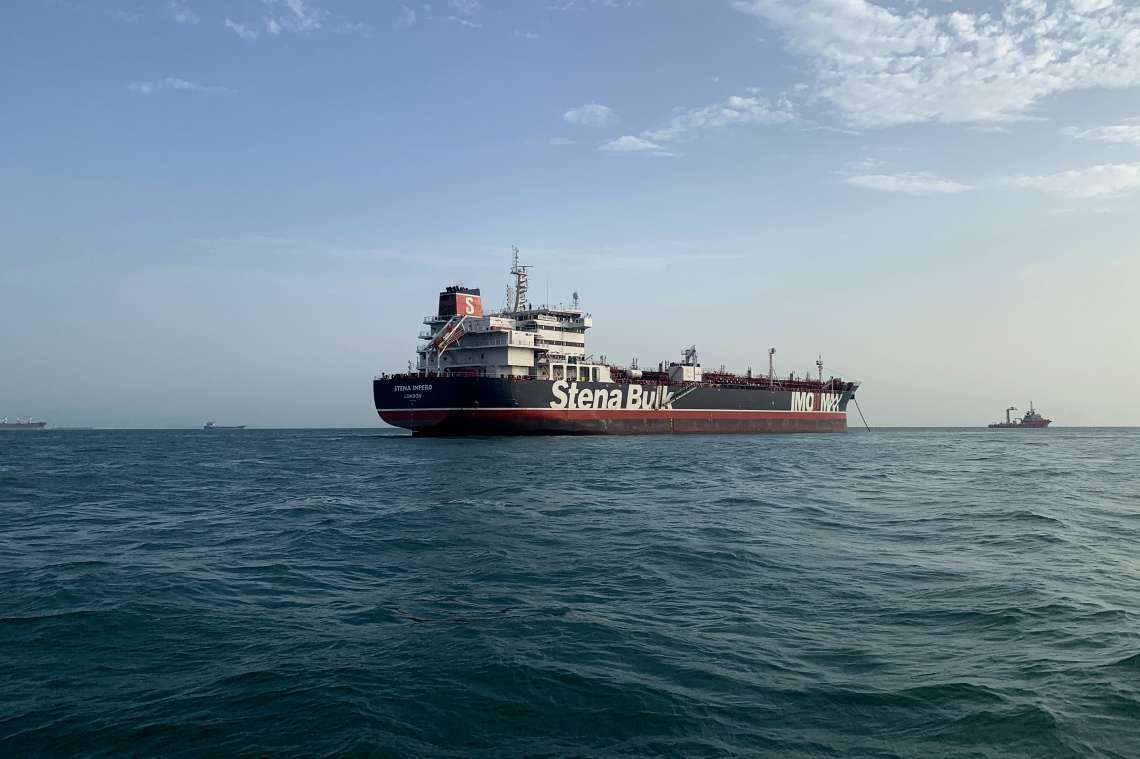
Fresh disruption in one of the world’s most critical shipping lanes has heightened fears over energy supplies and maritime safety. Diplomatic tensions remain high as reports of attacks on vessels add to uncertainty over the fragile ceasefire…reports Asian Lite News
Iran has said it is closing the Strait of Hormuz again to commercial vessels, warning that any ship approaching the waterway will be targeted, as tensions with the United States continue to escalate.
The announcement followed reports that vessels in or near the strait, including a tanker, were targeted by Tehran on Saturday. The move marks a renewed disruption to a key global shipping channel that had only briefly reopened a day earlier.
The Islamic Revolutionary Guard Corps (IRGC) said the decision was in response to what it described as a continuing US blockade of Iranian ports. The development comes shortly after Iran’s foreign minister announced the strait had been temporarily reopened.
In a statement, the IRGC Navy warned that “no vessel is to move from its anchorage in the Persian Gulf or the Sea of Oman”. It added that, while some ships had passed through the strait under its management since Friday night, access would remain restricted until the US halted its blockade.
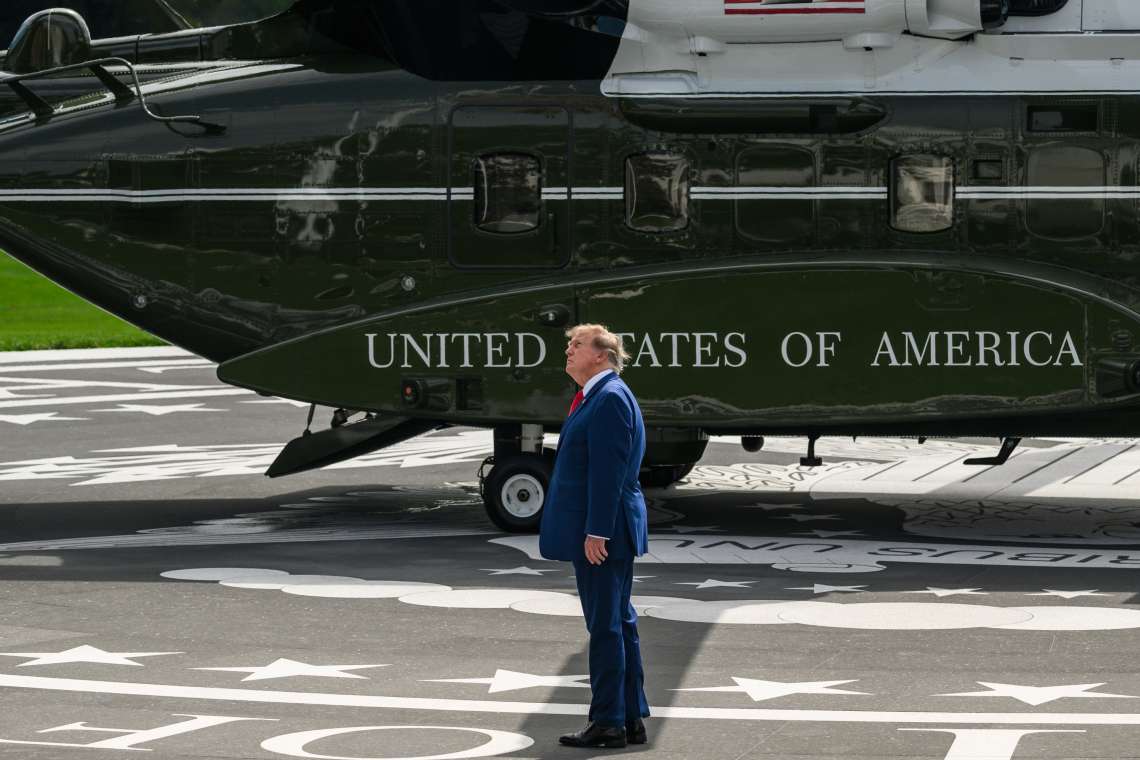
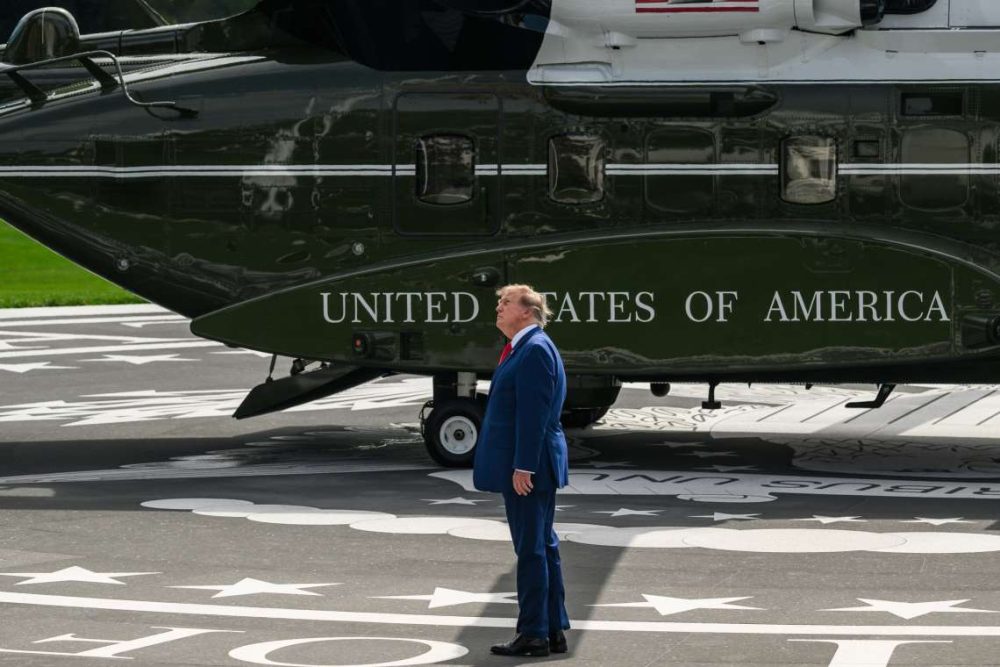
“Approaching the Strait of Hormuz will be considered co-operation with the enemy, and the offending vessel will be targeted,” the IRGC said. US President Donald Trump said Iran cannot “blackmail” the United States with threats over the waterway, which has effectively been blocked for nearly two months. The disruption has contributed to volatility in global energy markets, with prices rising sharply during the standoff.
Washington has said it will continue enforcing a naval blockade of Iranian ports until a peace agreement is reached. A two-week ceasefire between the two sides is currently in effect and is due to expire on 22 April.
According to US officials, 23 ships have been turned away since the blockade began on 13 April. Iran’s Supreme National Security Council (SNSC) has described the blockade as a violation of the ceasefire agreement, saying it would halt the reopening of the strait as long as restrictions remain in place.
On the prospect of negotiations, the SNSC said new proposals from the United States were under review and that Tehran had not yet responded. Earlier peace talks held this month ended without agreement. “We have very good conversations going on. It’s working out very well,” Trump said on Saturday, referring to the state of negotiations.
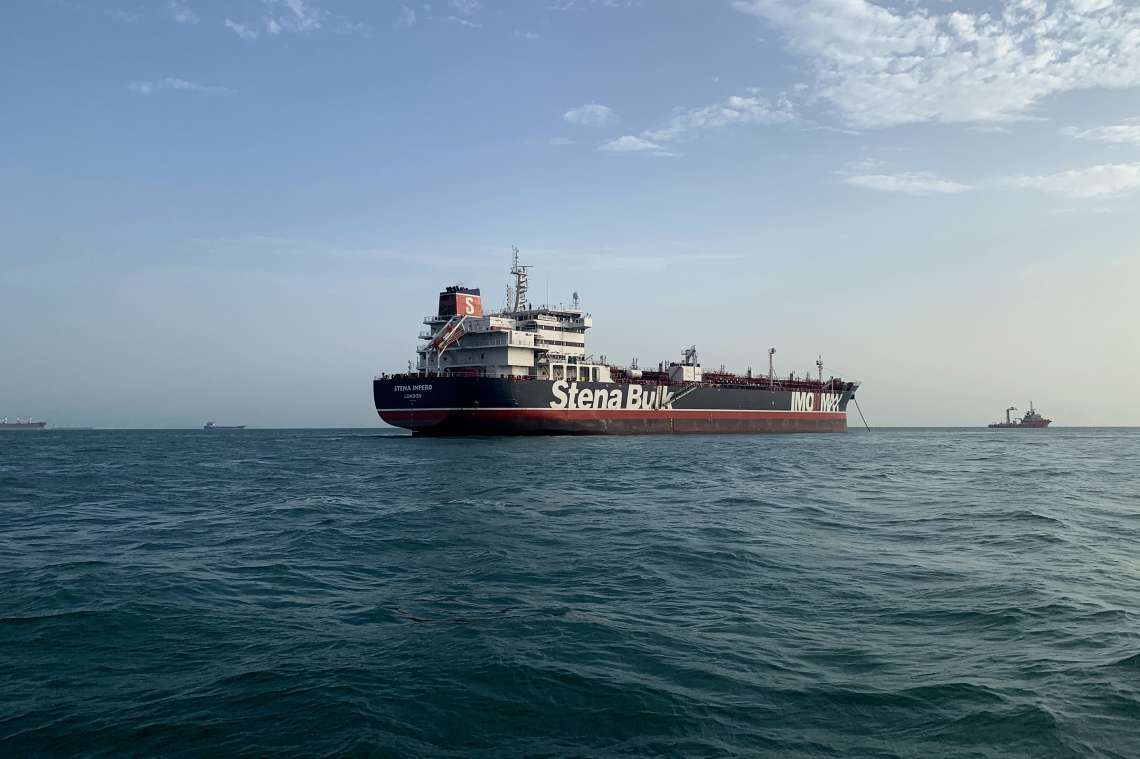
There have been multiple reports of vessels coming under attack in the area. The UK Maritime Trade Operations (UKMTO) said two Iranian gunboats opened fire on a tanker in the strait. A container ship was also struck by “an unknown projectile” off the north-eastern coast of Oman, damaging some containers.
India’s foreign ministry said it had summoned the Iranian ambassador to convey its “deep concern at the shooting incident earlier today involving two Indian-flagged ships in the Strait of Hormuz”. Shipping data from MarineTraffic indicated that some vessels were able to transit the strait during the brief reopening, while others altered course after being denied access by Iranian forces.
The Strait of Hormuz is a narrow but strategically vital passage linking the Gulf to the Arabian Sea, serving as a primary route for exports from major oil-producing states. Around 20% of the world’s oil and liquefied natural gas typically passes through the corridor.
However, traffic through the strait has declined significantly since the conflict began on 28 February, when the United States and Israel launched attacks on Iran. The crisis has seen oil prices surge above $100 at points amid concerns over supply disruptions.
Iran has previously threatened to attack tankers and other vessels in the region and has warned it may deploy naval mines, raising further concerns among shipping operators and international observers over the safety of the route.