Overcrowding, traffic congestion and mounting waste are putting pressure on popular tourist destinations, highlighting the need for better planning….reports Asian Lite News Desk
Pakistan needs to shift its tourism strategy away from chasing visitor numbers and towards protecting local communities, cultural heritage and the environment, a report has said. The country’s tourism sector continues to face challenges from overcrowding, poor destination management and pressure on public services, raising concerns about the long-term sustainability of popular destinations.
A report published by The News Pakistan said tourism discussions in the country often focus on its vast potential but lack effective planning and management at individual destinations.
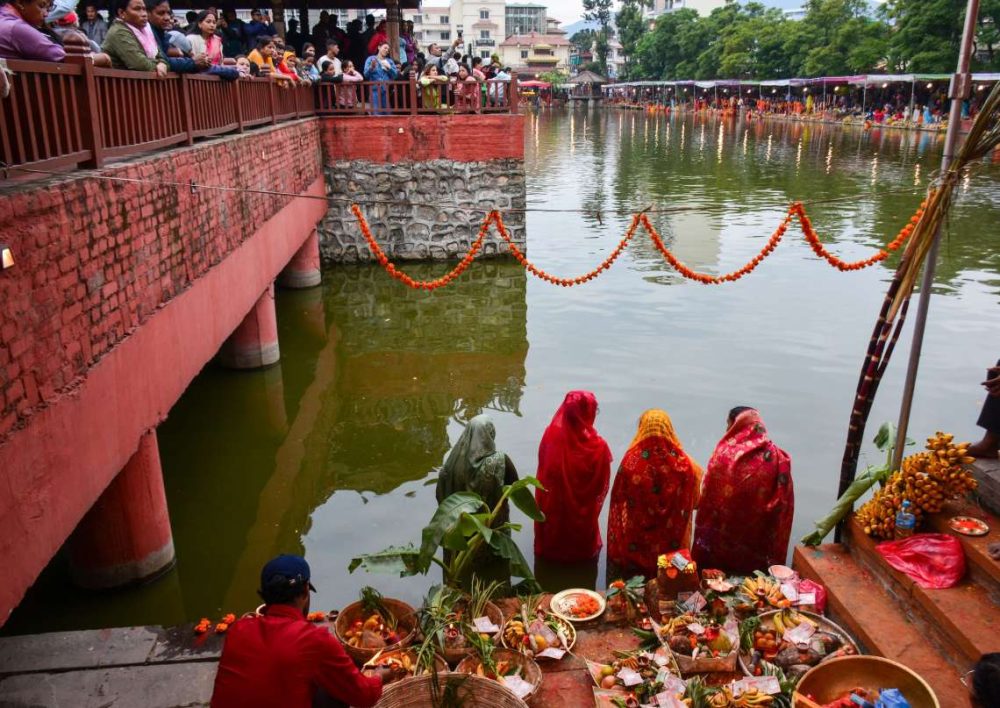
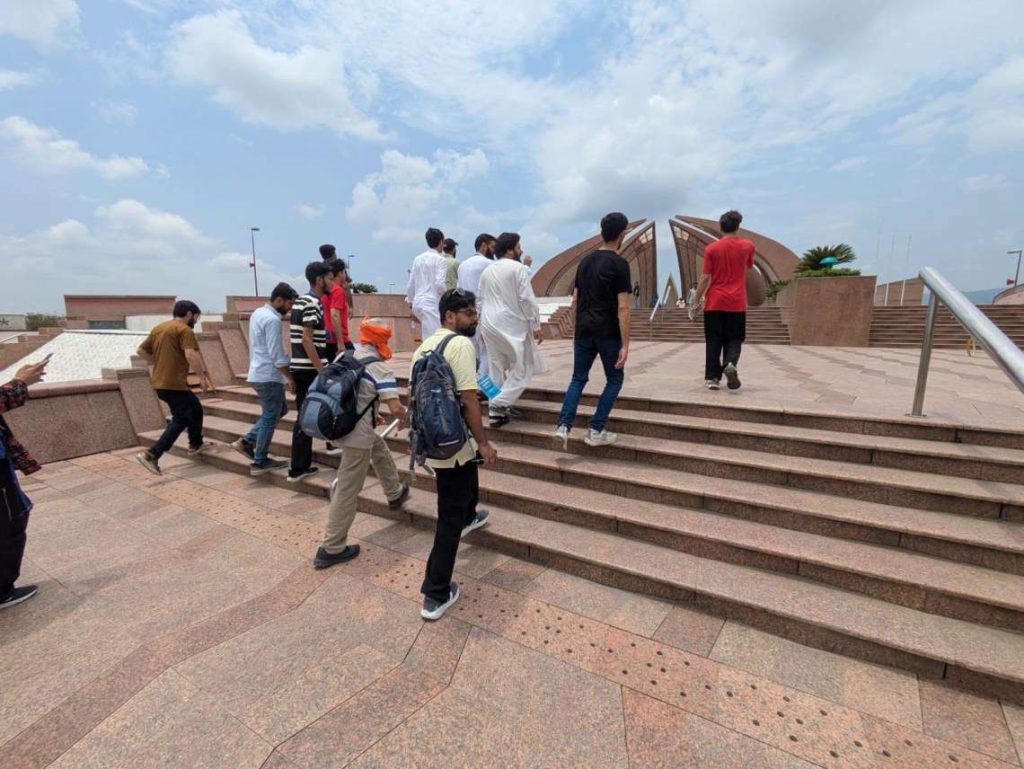
Popular tourist spots regularly experience overcrowding during holiday periods, resulting in traffic congestion, mounting waste, pressure on public services and growing frustration among residents.
For decades, tourism performance has largely been measured through indicators such as visitor arrivals, hotel occupancy and tourist spending. However, the report argues that these figures can conceal deeper problems, including strained infrastructure, environmental damage, cultural erosion and dissatisfaction among local communities.
“It’s time to redefine what success means in tourism. Instead of chasing numbers, destinations should focus on creating real value for guests, communities and businesses. This means prioritising sustainability, stakeholder alignment and community benefit,” the report said.
Why is Pakistan’s tourism model facing criticism?
The report argues that increasing tourist numbers do not necessarily translate into meaningful benefits for local residents. While higher visitor numbers may appear positive in economic statistics, unmanaged growth can damage the places that attract tourists in the first place.
It identifies the management of tourism growth, rather than visitor numbers alone, as a central challenge. Without effective regulations, visitor education and engagement with local communities, tourism can become disruptive instead of offering meaningful cultural experiences.
The growing influence of social media has added another concern. According to the report, some destinations are increasingly treated as backdrops for online content rather than places for cultural learning and engagement.
The report says sustainable tourism should create shared value for all stakeholders. Visitors should benefit from authentic and safe experiences, while local communities should have access to income opportunities, a role in decision-making and protection for their cultural and environmental assets.
For businesses, a sustainable approach would prioritise long-term stability rather than short-lived seasonal booms.
What changes does Pakistan need to make?
The report calls on Pakistan to move beyond discussions about tourism potential and invest in practical measures to improve destination management.
Its recommendations include professional training, stronger local governance, greater community participation and year-round tourism planning. These measures would help destinations manage visitor flows, reduce pressure on infrastructure and protect the environment and cultural heritage.
The report also emphasises the need to involve residents in decisions affecting tourism destinations, ensuring that communities share in the benefits while having a say in how tourism develops.
Rather than judging success solely by the number of people visiting a destination, the report argues that Pakistan should assess whether tourism improves local livelihoods, protects natural and cultural assets, and provides lasting benefits for businesses and residents.
It concludes that the future of the country’s tourism sector depends on sustainability, community wellbeing and cultural preservation, rather than the pursuit of higher visitor numbers alone.