US President Donald Trump has again portrayed the Strait of Hormuz as “NEW US Territory”, escalating tensions with Iran over the strategically vital waterway….reports Asian Lite News Desk
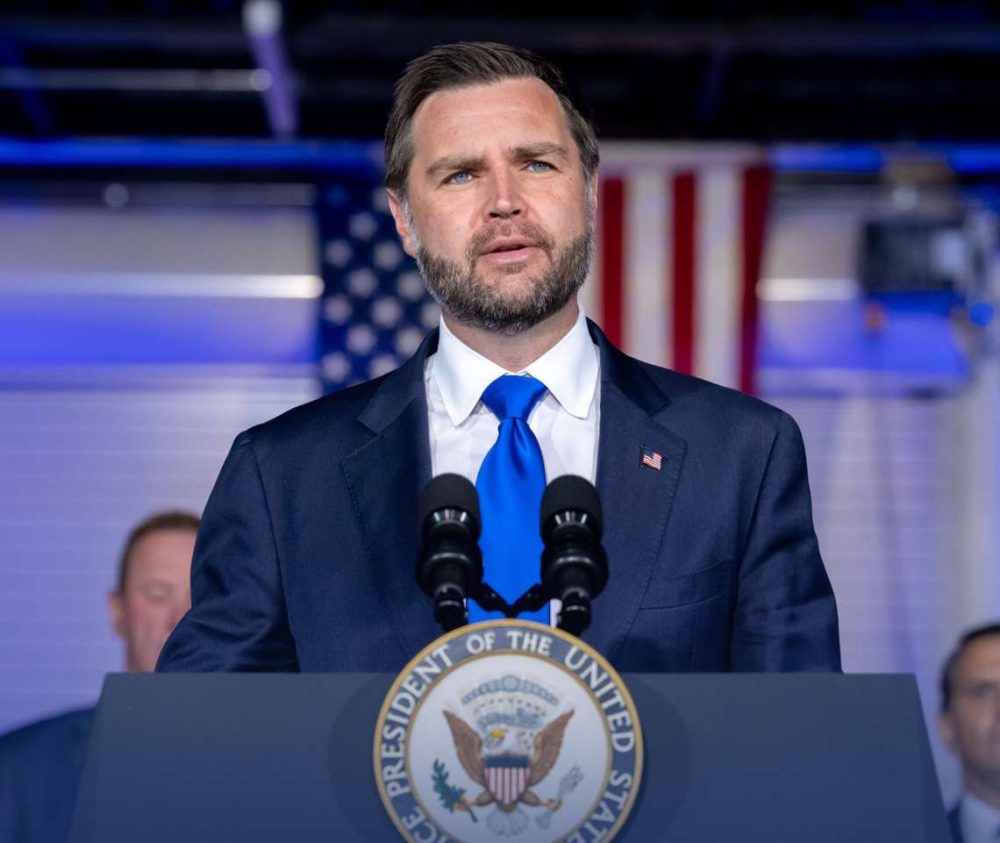
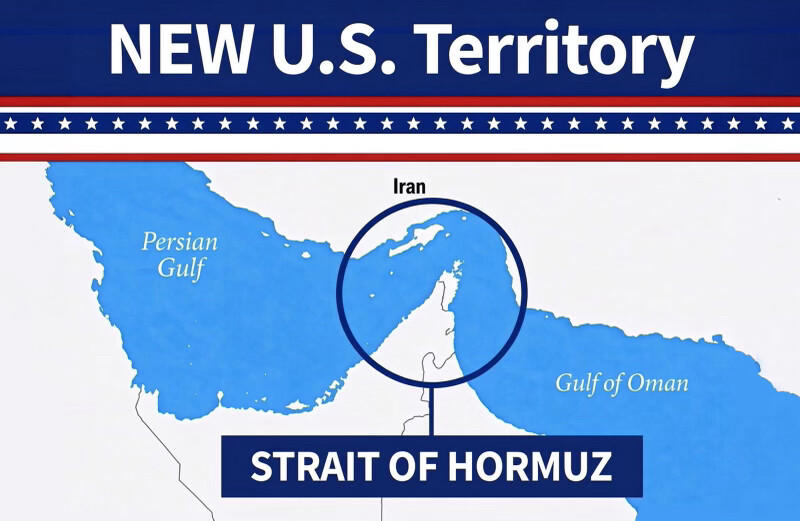
Tensions between the United States and Iran escalated further on Sunday after US President Donald Trump again shared an image portraying the strategically important Strait of Hormuz as “NEW US Territory”, while Tehran reiterated that the key maritime route would remain closed unless Washington changes its position.
Trump had previously shared the same graphic on August 18, after suggesting that the United States could claim jurisdiction over the waterway.
Speaking at a police academy gathering on Long Island on August 14, Trump said, “Pretty soon I’ll be declaring the Strait of Hormuz a territory of the United States”.
Iran has rejected the US president’s statements over the narrow waterway, with Supreme National Security Council secretary Mohsen Rezaei sharply criticising Washington’s position.
“The gap between America’s inability to reopen the Strait of Hormuz and its claim to own it is greater than the 7,000-mile distance between Washington and the Strait itself,” Rezaei said.
He added, “Welcome to the post-American order in the Persian Gulf.”
The latest escalation comes as Washington prepares additional economic measures against Tehran, further intensifying the financial confrontation between the two countries.
Iran has condemned the planned measures, warning that they could further damage its economy and affect important trading partners, particularly China, a major importer of Iranian crude.
US Treasury Secretary Scott Bessent is expected to outline what he has described as “the toughest sanctions in history” against Tehran. He has also called on Beijing to cooperate with Washington over Iranian oil shipments.

Iranian Foreign Ministry spokesperson Esmaeil Baghaei criticised the planned restrictions, accusing Washington of seeking to exercise authority beyond its jurisdiction.
“Such secondary sanctions find no foundation in international law,” Baghaei posted on X on August 22.
Rezaei also warned countries in the region against supporting the US economic measures against Iran.
“We are telling all nearby countries not to join the US economic war, otherwise we will consider them as enemies,” he stated.
The Strait of Hormuz has become a central point in the escalating confrontation. Tehran maintains that the waterway is closed and has warned of countermeasures against tanker traffic that it considers unauthorised.
Disruptions to shipping through the strategic passage have affected international energy movements, given the waterway’s importance to global oil and gas trade.
Trump has repeatedly warned foreign governments against providing Tehran with “any type of lifeline” and has maintained that Iran must agree to what Washington considers an acceptable deal.
Iranian officials, however, have also indicated that they remain open to diplomatic engagement despite maintaining a firm position on the dispute.
Iranian President Masoud Pezeshkian has called for negotiations to resolve the confrontation, saying Tehran should seek to end the conflict while protecting its national strength and dignity.
The competing positions have left the Strait of Hormuz at the heart of the growing US-Iran crisis, with Washington continuing its pressure campaign against Tehran and Iranian officials insisting that the waterway will remain closed unless there is a change in US policy.
The latest exchange of statements has further raised tensions over the strategic maritime corridor, while planned US sanctions and Iran’s warnings to regional countries threaten to widen the dispute beyond the two countries.