US President Donald Trump prolongs ceasefire at the last minute, but Tehran refuses to attend talks, citing ongoing naval blockade and pressure tactics…reports Asian Lite News
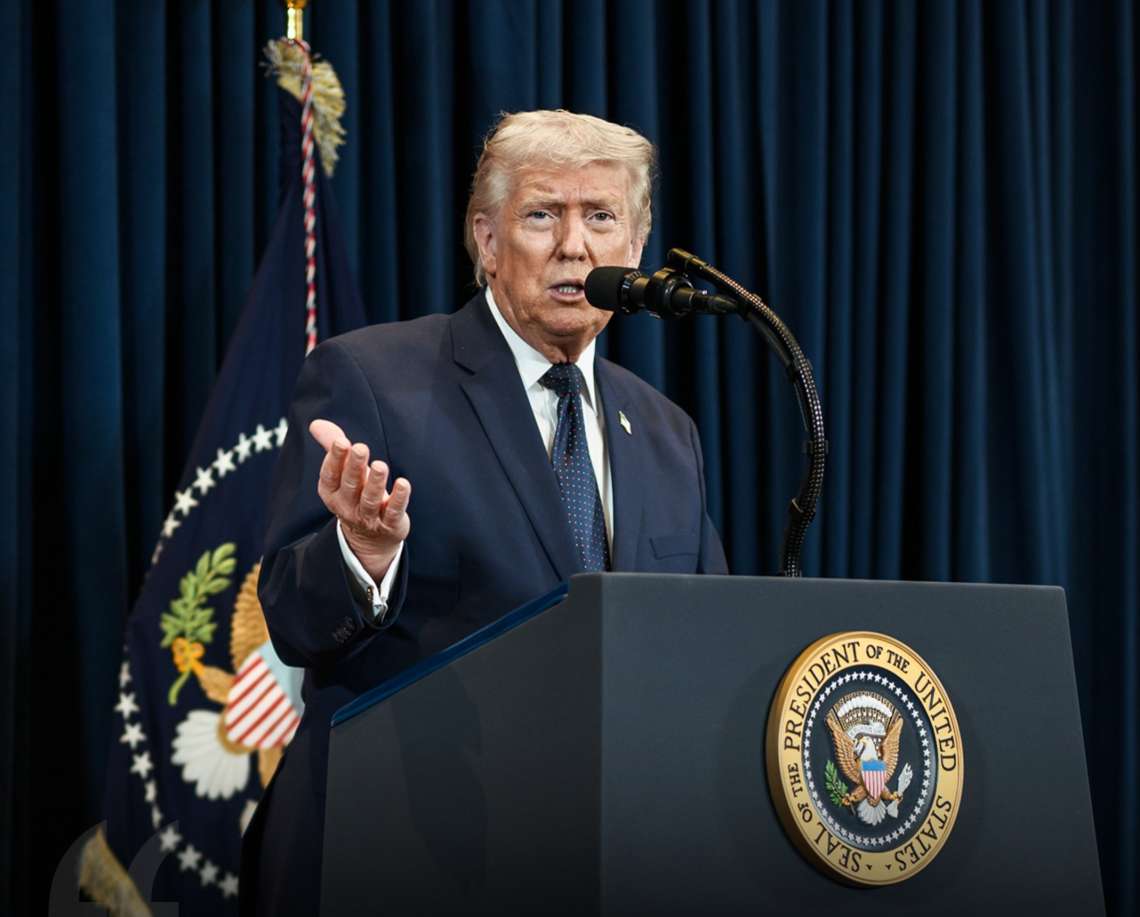
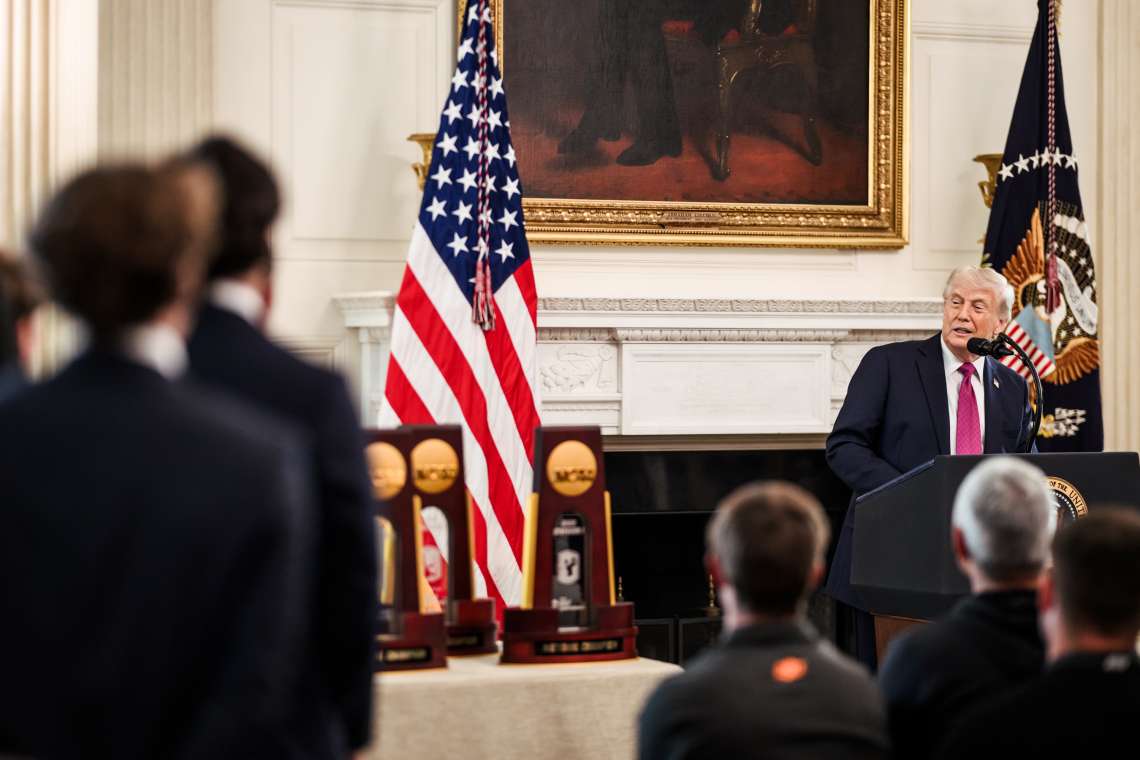
US President Donald Trump has unilaterally extended a ceasefire with Iran indefinitely, just hours before it was due to expire, even as Tehran refused to attend a fresh round of negotiations he had earlier said were imminent.
In a post on Truth Social on Tuesday, Trump said the truce would remain in place because Iran’s leadership was “seriously fractured”, adding that more time was needed for Tehran to present a unified position. The decision marked a sharp shift from his earlier stance, after he warned in a CNBC interview the same day that he would not extend the ceasefire and expected military action if no agreement was reached.
Despite prolonging the pause in direct hostilities, Trump confirmed that a US naval blockade of Iranian ports would continue. The blockade has been a key sticking point, with Iranian officials citing it as a primary reason for refusing to join talks that were expected to take place this week in Islamabad.
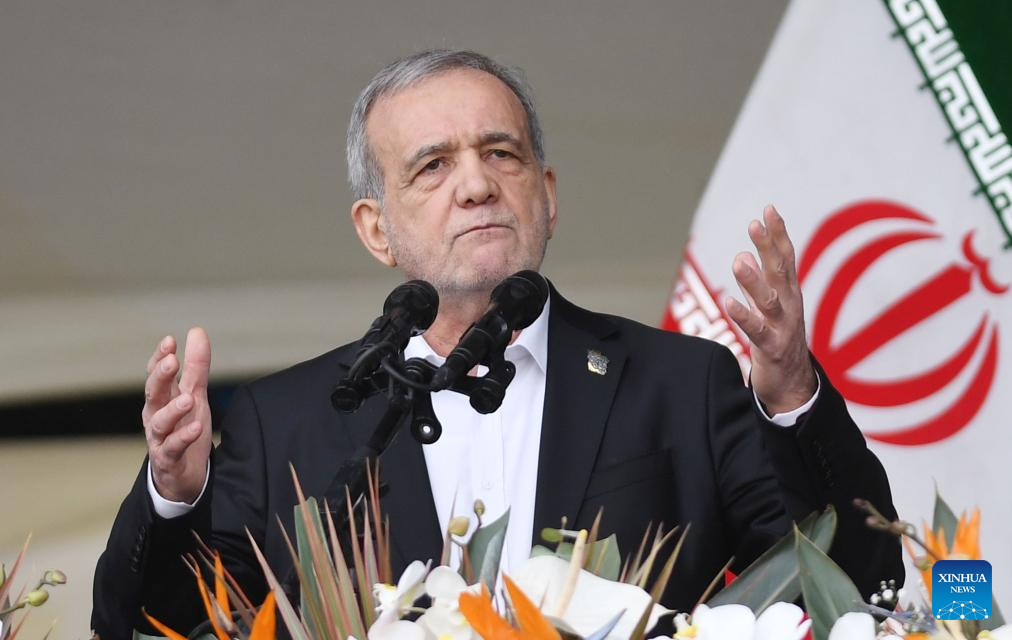
Iranian state media struck a defiant tone. Press TV reported that Tehran had “unequivocally insisted on the removal of the blockade” and would not return to negotiations under pressure. The semi official Tasnim news agency said Iran had already informed Washington, through a Pakistani intermediary, that its delegation would not travel to Islamabad and that there was currently “no prospect” of talks resuming.
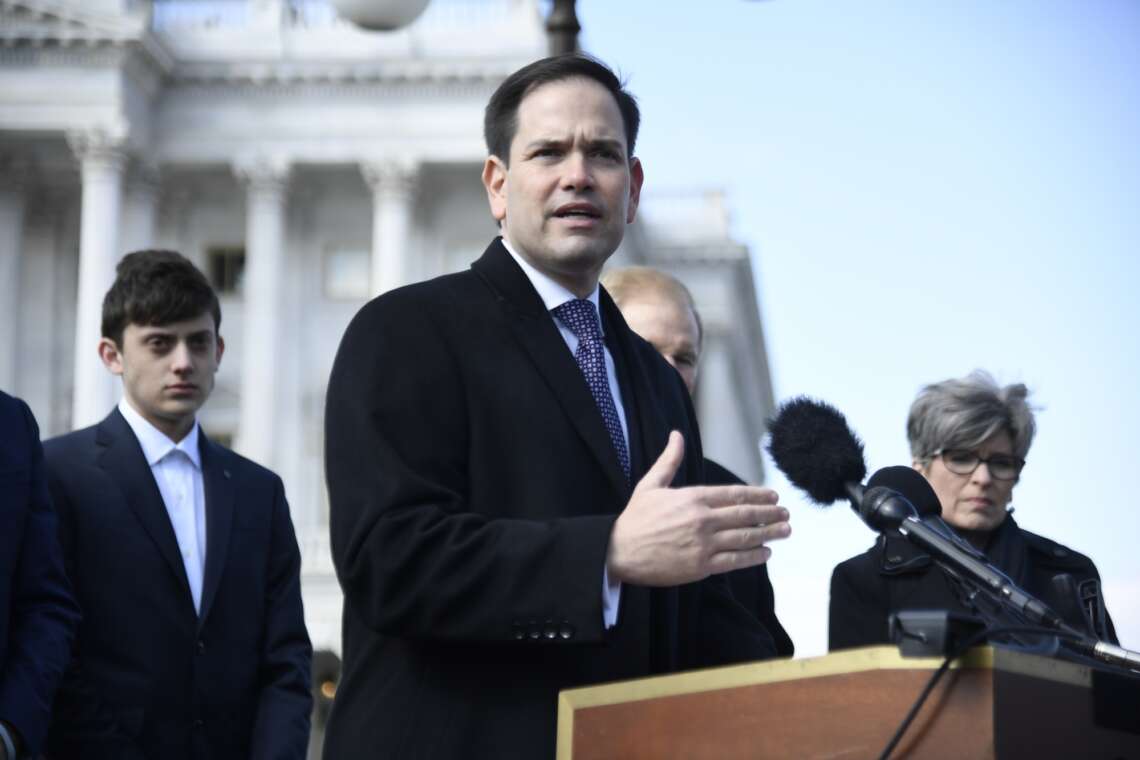
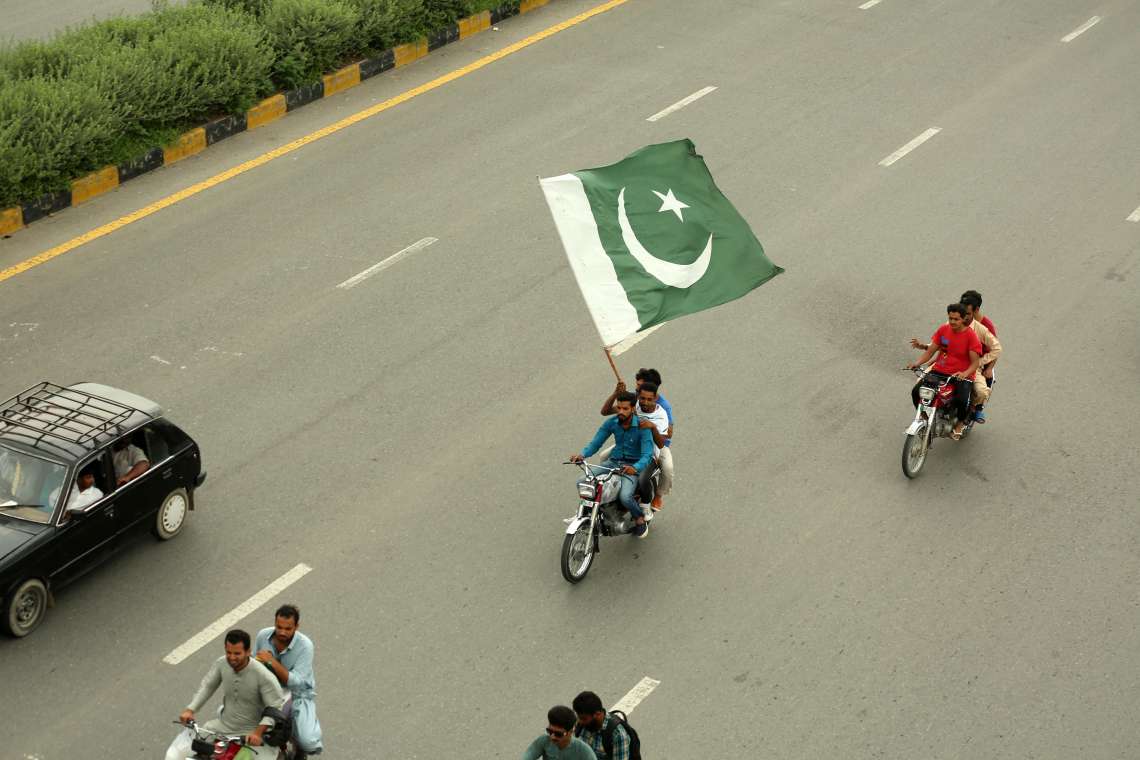
Pakistan’s Information Minister Attaullah Tarar confirmed that Iran would not participate in the planned second round of discussions. Meanwhile, US Vice President J. D. Vance, who has been leading the diplomatic effort, delayed his trip to Pakistan amid uncertainty over Iran’s attendance.
Trump again pointed to Islamabad’s leadership as a factor in his decision, saying Pakistan’s army chief Asim Munir and Prime Minister Shehbaz Sharif had urged him to hold off on military action until Iran’s leadership could consolidate its position.
The ceasefire was originally announced on April 7 following 21 hours of inconclusive talks in Islamabad. At the time, Sharif publicly appealed for restraint in a move later understood to have been coordinated with Washington.
Despite the extension, there is little sign of an immediate breakthrough. The ongoing blockade has effectively shut the Strait of Hormuz, through which roughly 20 per cent of the world’s oil and gas supplies pass, fuelling global economic anxiety.
Iran has made clear that reopening the strait is contingent on lifting the blockade. Tasnim warned that Tehran could use force to break the restrictions if necessary, framing the continued naval presence as an act of ongoing hostility.
Trump has repeatedly claimed that a deal is within reach, describing his proposal as more favourable than the previous international nuclear agreement he scrapped during his first term. His conditions, however, include Iran abandoning its nuclear ambitions, surrendering enriched uranium stockpiles, and ending its missile programme — demands widely seen as unacceptable to Tehran.
Iran’s internal political dynamics have further complicated the situation. Hardline elements, particularly the Islamic Revolutionary Guard Corps, appear to hold increasing sway, while Supreme Leader Mojtaba Khamenei has remained largely out of public view.
Senior Iranian figures have continued to issue warnings. Parliament Speaker Mohammad Bagher Ghalibaf said the country was preparing to unveil “new cards on the battlefield”, signalling potential escalation.
The standoff now appears to hinge on endurance. In the United States, Trump faces growing domestic pressure, with public support for the conflict reportedly low and midterm elections approaching. Iran, by contrast, continues to project resilience, with its leadership signalling readiness to withstand prolonged economic and military strain.