The councils proposed a “paradigm shift” in EU–Türkiye relations…reports Asian LIte News
Leaders of 26 business councils linking Türkiye and European Union member states have called for a fundamental reset in relations, urging Brussels to revive Ankara’s stalled accession process and deepen economic integration to confront mounting global challenges.
In a joint message addressed to EU leadership, the councils said Turkish businesses remain firmly committed to European values and ready to contribute to Europe’s economic strength, competitiveness, and strategic autonomy. They noted that Turkish companies have long been embedded in Europe’s value chains, industrial ecosystems, and innovation networks.
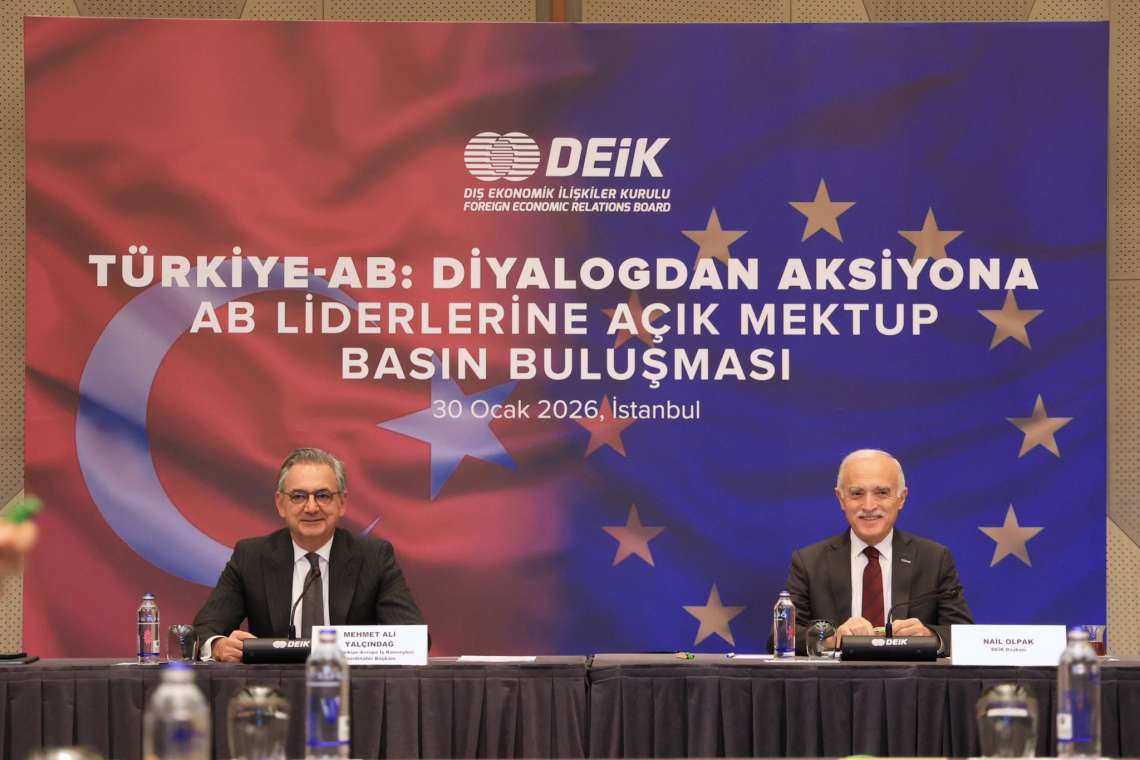
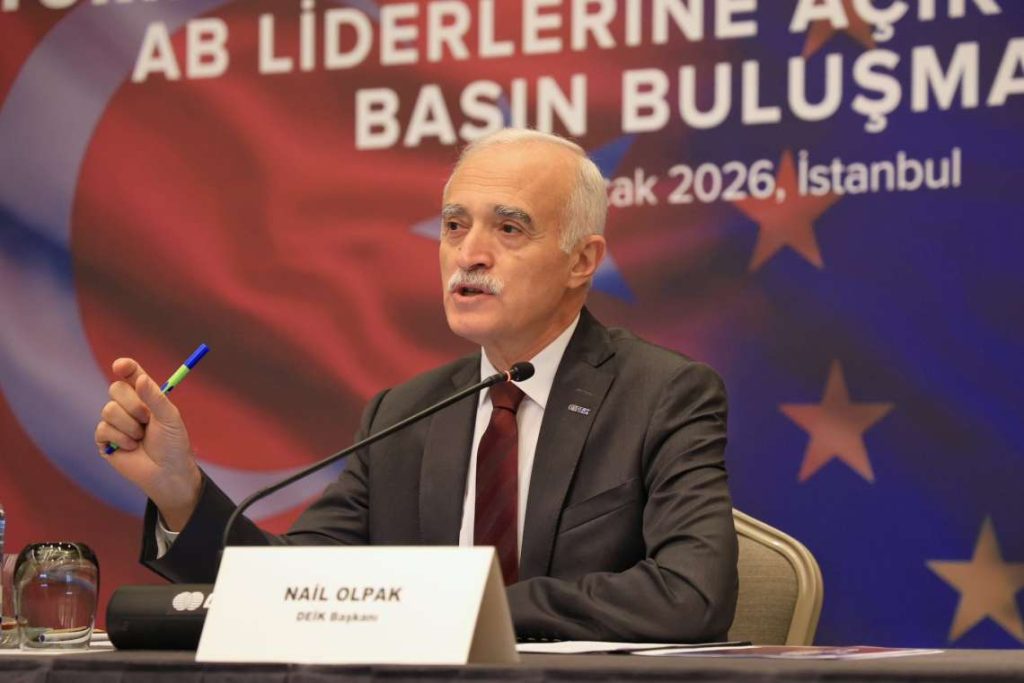
In an open letter prepared by Foreign Economic Relations Board of Türkiye (DEİK) and the DEIK/Türkiye-Europe Business Councils, the business leaders pressed EU authorities to move beyond prolonged political inertia and restore momentum in Türkiye–EU ties. The letter, signed by the presidents of business councils from 26 EU countries, has been sent to EU leaders and is scheduled for publication in the Financial Times.
The statement highlighted a convergence of pressures facing Europe, including the rapid advance of artificial intelligence, the demands of the green transition, demographic change, migration pressures, shifting transatlantic ties, and heightened geopolitical risks across Eurasia. The growing strategic and economic weight of the Asia-Pacific, the councils added, carries long-term implications of “historic significance” for Europe.
Against this backdrop, the business leaders argued that fully integrating Türkiye into the EU’s trajectory towards global power status is an essential part of Europe’s response. While acknowledging outstanding issues on both sides, they said the current stagnation in accession talks has become untenable as global events outpace political processes.
The councils proposed a “paradigm shift” in EU–Türkiye relations, calling for a clear and unambiguous membership perspective to restore strategic clarity and mutual confidence. Such a move, they said, would allow sustained dialogue, Türkiye’s societal dynamism, and the EU’s transformative capacity to drive progress and resolve disputes that have become disproportionate to the scale of Europe’s wider challenges.
They also urged the EU to update the EU–Türkiye Customs Union, arguing that deeper trade integration would bolster European competitiveness in a fragmented global economy and anchor Türkiye within the EU’s emerging economic security and defence architecture.
Turkish firms, alongside EU companies operating in Türkiye, said they stand ready to invest, innovate, and form long-term partnerships to support a stronger and more confident Europe. The statement concluded by expressing confidence in EU leadership to take bold decisions and stressed the need for EU policies to resonate positively within Turkish society.
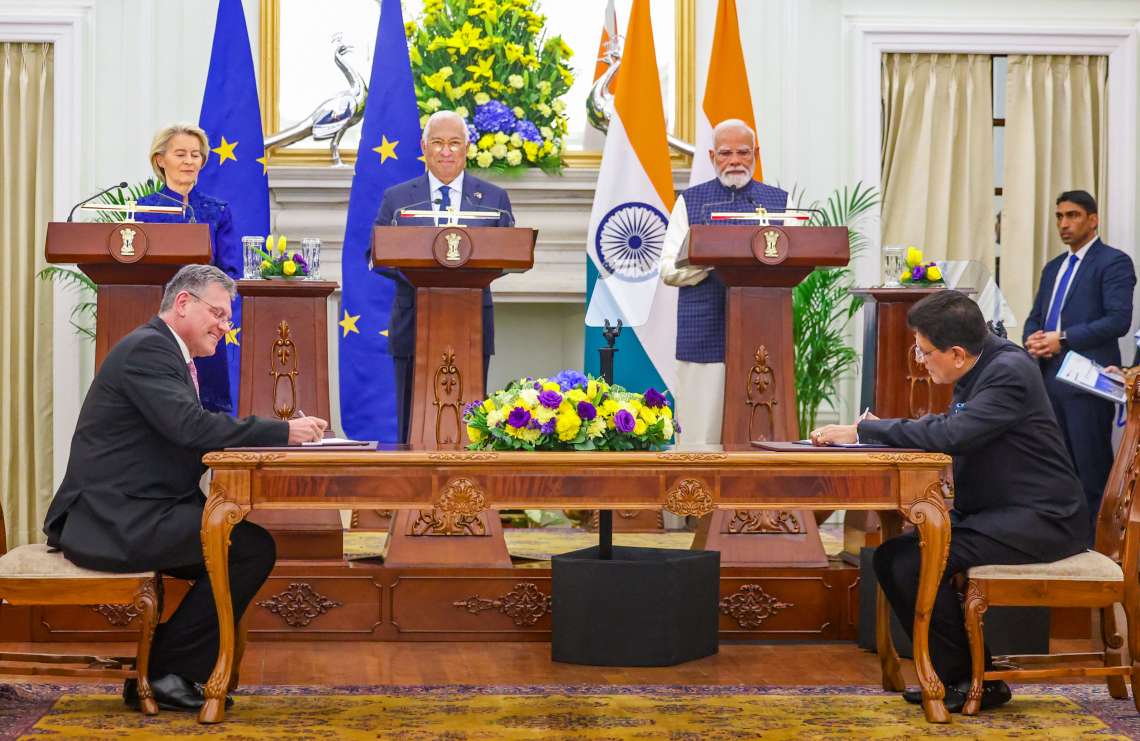
Meanwhile, European Union and India have agreed on a huge trade deal creating a free trade zone of two billion people, European Commission President Ursula von der Leyen and Indian Prime Minister Narendra Modi have said.
In a post on X during her visit to New Delhi on Tuesday, von der Leyen said the two parties were “making history today”.
“We have concluded the mother of all deals. We have created a free trade zone of two billion people, with both sides set to benefit,” she added.
Modi said the landmark agreement, following nearly two decades of on-and-off negotiations, had been reached, hailing its benefits before a meeting with von der Leyen and European Council President Antonio Costa. “This deal will bring many opportunities for India’s 1.4 billion and many millions of people of the EU,” he said.

The deal will cover about 25 percent of the global gross domestic product (GDP), Modi said, adding that India will get a boost in sectors including textiles, gems and jewellery, and leather goods.
The trade pact, which EU officials said was the most ambitious India had ever agreed, comes amid a push by Brussels and New Delhi to open up new markets in the face of tariffs imposed by the United States and Chinese export controls.
It will pave the way for India, the world’s most populous nation, to open up its huge, protected market to free trade with the 27-nation EU, its biggest trading partner. The EU, which views India as an important market for the future, said European companies would benefit from so-called “first mover advantage” in the Indian market, while New Delhi sees Europe as an important potential source of technology and investment.