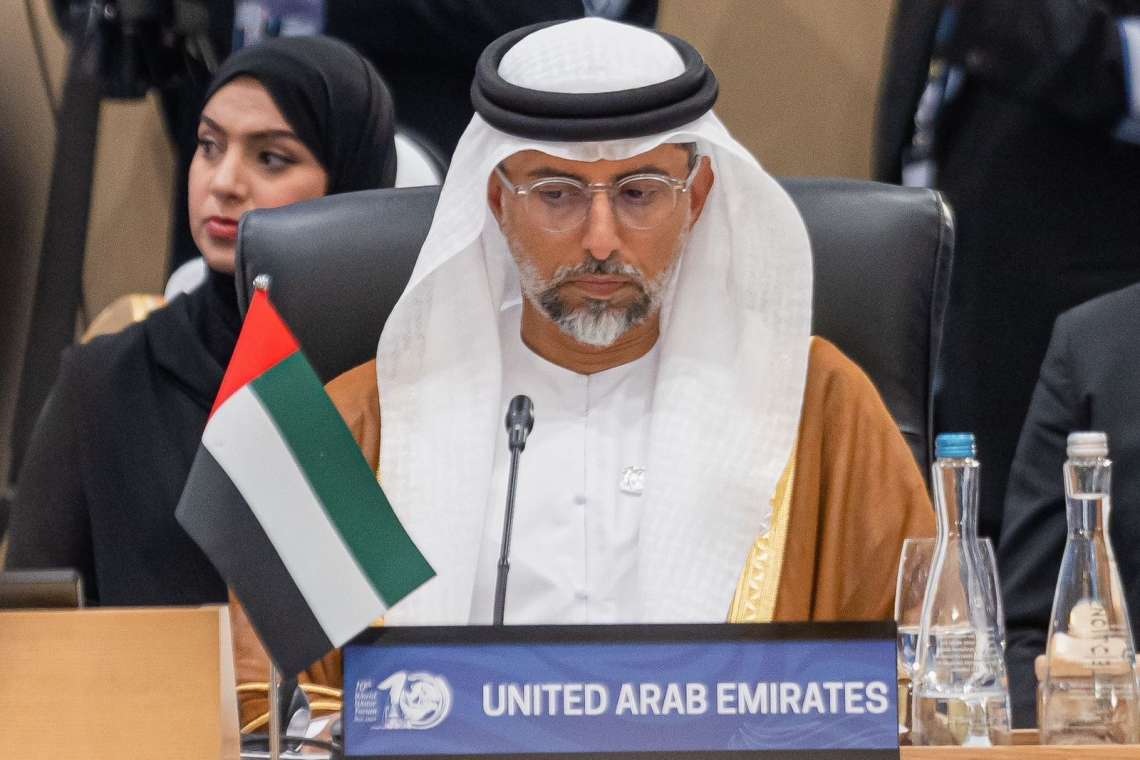
UAE exits OPEC and OPEC+, signalling a strategic shift towards energy independence, flexible production, and long-term market positioning amid rising global demand and geopolitical uncertainty, reports Asian Lite Newsdesk
The United Arab Emirates has announced it will exit the Organisation of the Petroleum Exporting Countries and the broader OPEC+ alliance, marking a significant shift in global energy geopolitics. The decision, set to take effect from 1 May 2026, signals a recalibration of the country’s long-term economic and energy strategy amid evolving market conditions and rising global demand.
In a formal statement, the UAE said the move followed a comprehensive review of its production policy, capacity outlook, and national priorities. Officials stressed that the decision reflects the country’s “strategic and economic vision” as it accelerates investments in domestic energy production and diversifies its broader energy portfolio.
The departure comes at a time of heightened uncertainty in global energy markets, with supply disruptions in key transit routes such as the Strait of Hormuz and the wider Arabian Gulf continuing to influence price volatility. Despite near-term instability, the UAE underscored that global energy demand is expected to grow steadily over the medium and long term, requiring reliable and flexible supply from major producers.
The UAE has been a member of OPEC since 1967, initially through Abu Dhabi, and remained part of the organisation following the country’s formation in 1971. Over more than five decades, it has played a prominent role in coordinating output policies aimed at stabilising oil markets, often aligning with production cuts or increases agreed by the bloc.
However, the latest move indicates a policy shift towards greater autonomy. By exiting OPEC and OPEC+, the UAE will gain increased flexibility to adjust its oil production levels in response to market dynamics, without being bound by collective quotas. This, officials argue, will allow the country to respond more effectively to demand fluctuations while continuing to act as a responsible supplier.
Energy analysts view the decision as part of a broader transformation within the UAE’s energy sector. The country has positioned itself as a producer of relatively low-cost and lower-carbon crude, while also investing heavily in renewable energy, hydrogen, and other low-emission technologies. The government reiterated that its future strategy will balance oil production with sustainability goals, ensuring long-term resilience.
Importantly, the UAE emphasised that leaving the alliance does not signal a retreat from cooperation. The country pledged to maintain close engagement with both producers and consumers, continuing to support global market stability through a “measured and responsible” approach to supply. Additional production, it said, would be introduced gradually and aligned with demand conditions to avoid market shocks.
The decision may also have wider implications for OPEC+, which has relied on cohesion among major producers to manage supply and influence prices. While the UAE expressed appreciation for the organisation’s role and wished it continued success, its exit could prompt questions about the long-term unity of the alliance.
For global markets, the immediate impact will depend on how the UAE adjusts its output in the coming months. With a substantial and competitive resource base, the country remains a key player in the energy landscape. Its ability to independently calibrate production could introduce a new dynamic into supply calculations, particularly if other producers reassess their own positions within multilateral frameworks.