US reviews Iran’s proposal on reopening the Strait of Hormuz amid fragile ceasefire, as tensions persist over nuclear demands, sanctions and regional security guarantees, reports Asian Lite Newsdesk
The White House is examining a fresh proposal from Iran aimed at reopening the strategically critical Strait of Hormuz, as tensions persist despite a ceasefire that ended two months of conflict involving the United States and Israel.
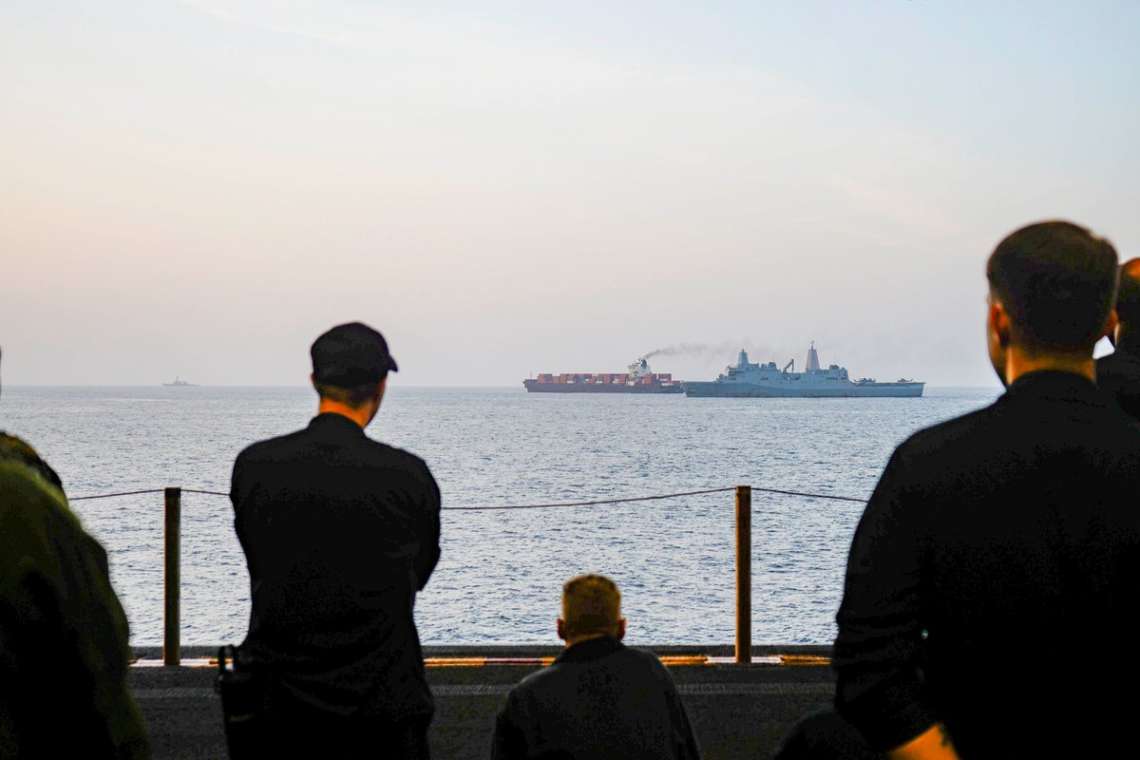
The waterway, a vital artery for global oil and gas shipments, has remained effectively blockaded since the start of the US-Israeli offensive, sending shockwaves through international energy markets and disrupting supply chains. Although active hostilities have paused, negotiations to secure a lasting resolution and restore maritime access have yet to produce a breakthrough.
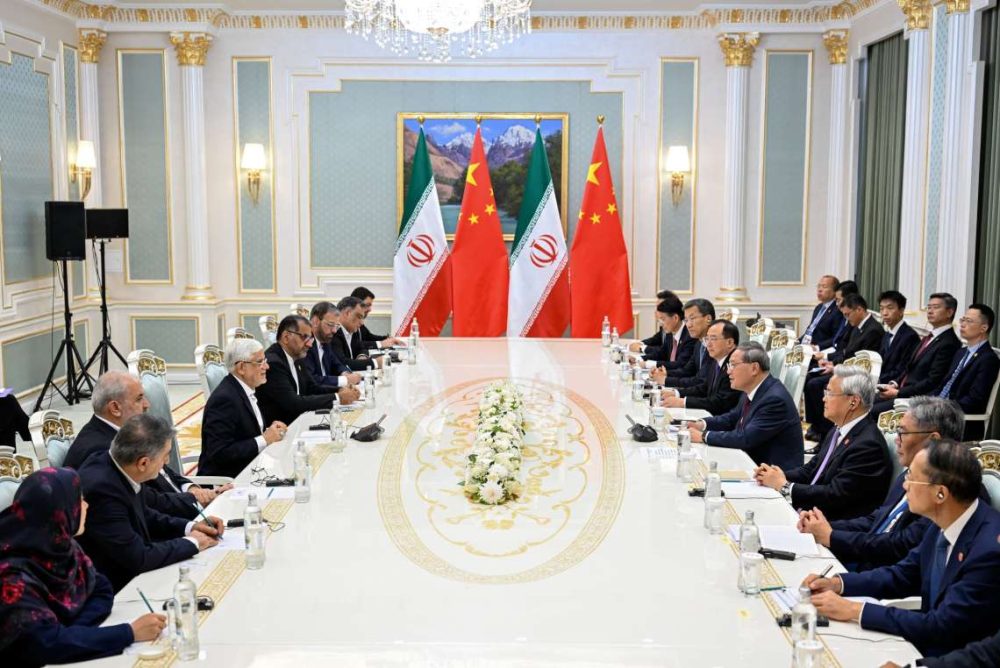
According to US officials, President Donald Trump convened senior security advisers on Monday to review Iran’s latest proposal. The plan was conveyed through written messages delivered via Pakistan, outlining Tehran’s red lines on key issues, including its nuclear programme and the status of the Strait of Hormuz.
White House Press Secretary Karoline Leavitt confirmed the proposal was under active consideration, signalling cautious engagement from Washington. However, divisions remain over the substance and intent of Tehran’s offer.
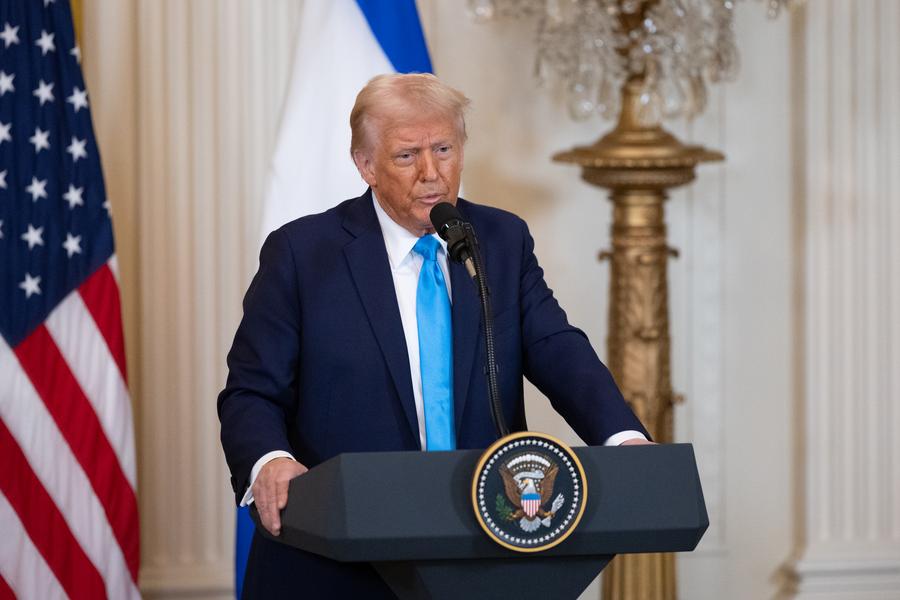
In a post on his Truth Social platform, Trump claimed Iran had indicated it was in a “state of collapse” and was seeking urgent US intervention to reopen the strait. He suggested Tehran wanted the passage restored “as soon as possible” while it addressed internal leadership challenges, although it remains unclear how such a message was formally communicated.
US officials, speaking to Reuters, indicated that Trump is dissatisfied with aspects of the proposal, despite signs it could form the basis for further talks. The reported framework would see Iran ease its blockade of the strait, while the US would lift retaliatory restrictions on Iranian ports, allowing negotiations on broader issues to continue.
Those broader issues remain deeply contentious. Central among them is Iran’s nuclear programme, which continues to be a major sticking point in any potential agreement. US Secretary of State Marco Rubio described the proposal as “better than what we thought they were going to submit”, but cautioned against taking it at face value. He stressed that any deal must ensure Iran cannot move towards developing a nuclear weapon.
Tehran, meanwhile, has struck a defiant tone. Defence ministry spokesman Reza Talaei-Nik said the United States was no longer in a position to dictate policy to independent nations, adding that Washington would eventually have to abandon what he described as “illegal and irrational demands”.
Iran’s Foreign Minister Abbas Araghchi also blamed US “excessive demands” for the lack of progress in peace talks. During a visit to Russia, he sought support from President Vladimir Putin, who has pledged backing for efforts to end the conflict.
Diplomatic efforts have so far struggled to gain traction. Pakistan, which previously hosted an initial round of US-Iran talks, had hoped to convene a second meeting, but those plans failed to materialise.
Iran has indicated that any agreement would require firm guarantees that neither the US nor Israel would launch further attacks. Its envoy to the United Nations has said such assurances are essential if Tehran is to provide security guarantees for the Gulf region.