Iran seizes ships and fires in Strait of Hormuz as US blockade tightens, oil surges past $100 and global trade faces mounting disruption, reports Asian Lite News Desk
Tensions in the Middle East escalated sharply after Iran fired on three commercial vessels and seized two in the strategically vital Strait of Hormuz, intensifying a confrontation with the United States that is already rattling global energy markets and trade flows.
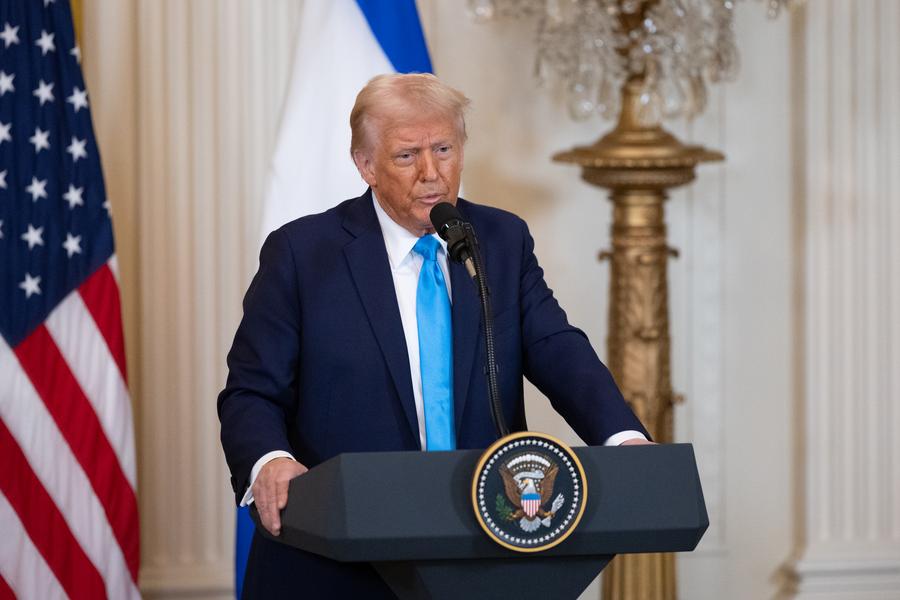
The latest incidents unfolded just a day after US President Donald Trump extended a ceasefire arrangement while maintaining a strict American blockade on Iranian ports. Despite the nominal truce, both sides appear locked in a cycle of retaliatory actions that are steadily raising the stakes.
Iranian state media reported that the country’s paramilitary Islamic Revolutionary Guard Corps had intercepted and was escorting two vessels — the MSC Francesca and the Epaminondas — towards Iranian waters. A third vessel, identified as the Euphoria, was also targeted after reportedly becoming stranded near Iran’s coastline.
Shipping companies and officials described a sequence of alarming encounters. Technomar, which manages the Liberian-flagged Epaminondas, said the ship was approached and fired upon by a manned gunboat off the coast of Oman, causing damage to the vessel’s bridge. Another cargo ship came under fire hours later and was halted at sea, though no injuries were reported in either case.
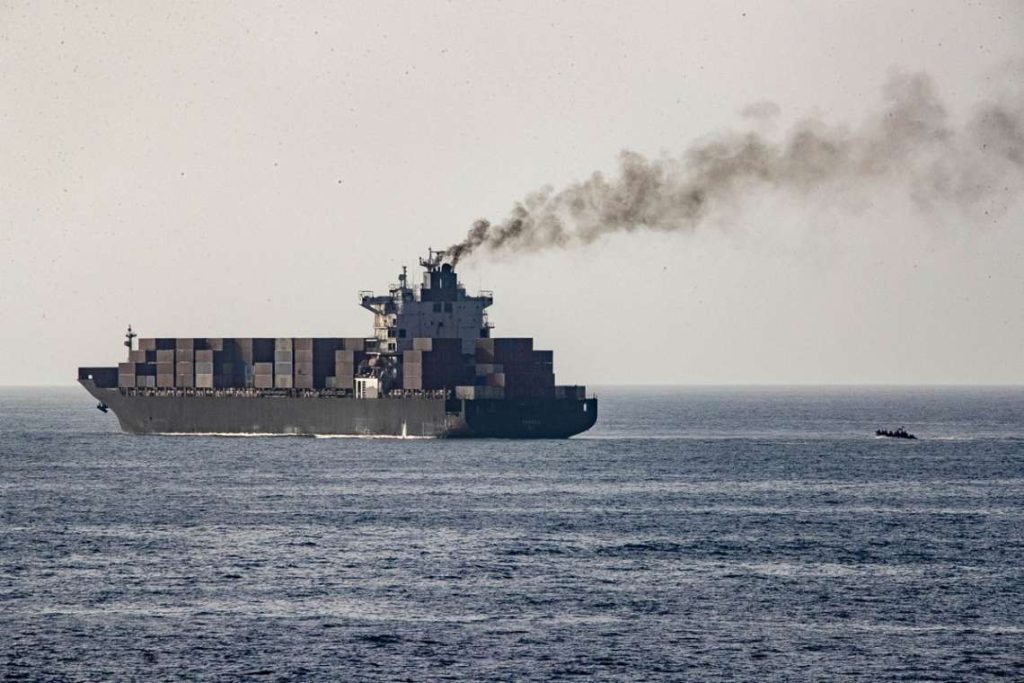
Panama strongly condemned the seizure of the MSC Francesca, calling it an “illegal” act and warning it posed a serious threat to maritime security. The incident has heightened fears among global shipping operators already navigating a volatile security environment in the Gulf.
The White House sought to downplay the escalation, with press secretary Karoline Leavitt stating that the seizures did not violate ceasefire terms because the vessels were neither American nor Israeli. However, analysts say the distinction is unlikely to reassure markets or shipping firms operating in one of the world’s most critical energy corridors.
The crisis has effectively choked off a major artery of global commerce. Roughly 20 per cent of the world’s traded oil typically passes through the Strait of Hormuz in peacetime. With traffic now severely disrupted, the economic fallout is being felt far beyond the region.
Benchmark Brent crude oil prices surged past $100 per barrel, marking a dramatic 35 per cent increase from pre-conflict levels. The spike has translated into rising fuel costs worldwide, with knock-on effects on food prices and broader inflation.
European officials have sounded the alarm over the long-term implications. Dan Jørgensen warned that the disruption could mirror past energy crises, estimating that Europe alone is incurring losses of around €500 million each day due to the turmoil.