Iran awaits a US response on its proposal to reopen the Strait of Hormuz as Qatar mediates between Tehran and Washington amid the conflict…reports Asian Lite News Desk
Iran is awaiting a formal US response to its proposal for reopening the Strait of Hormuz, as diplomatic contacts through Qatar continue amid the conflict between Tehran and Washington.
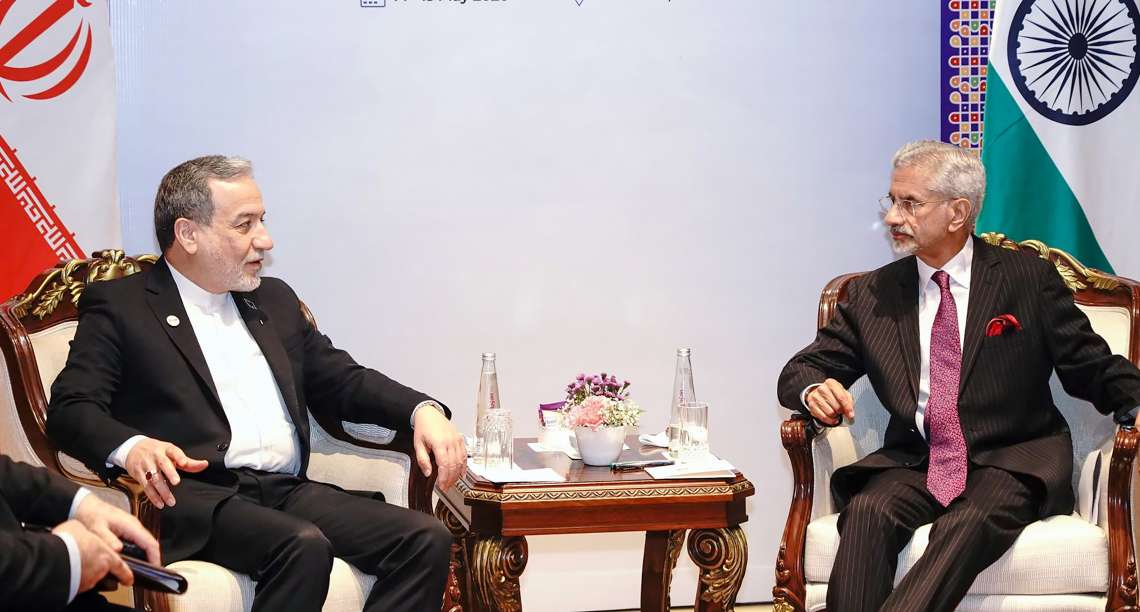
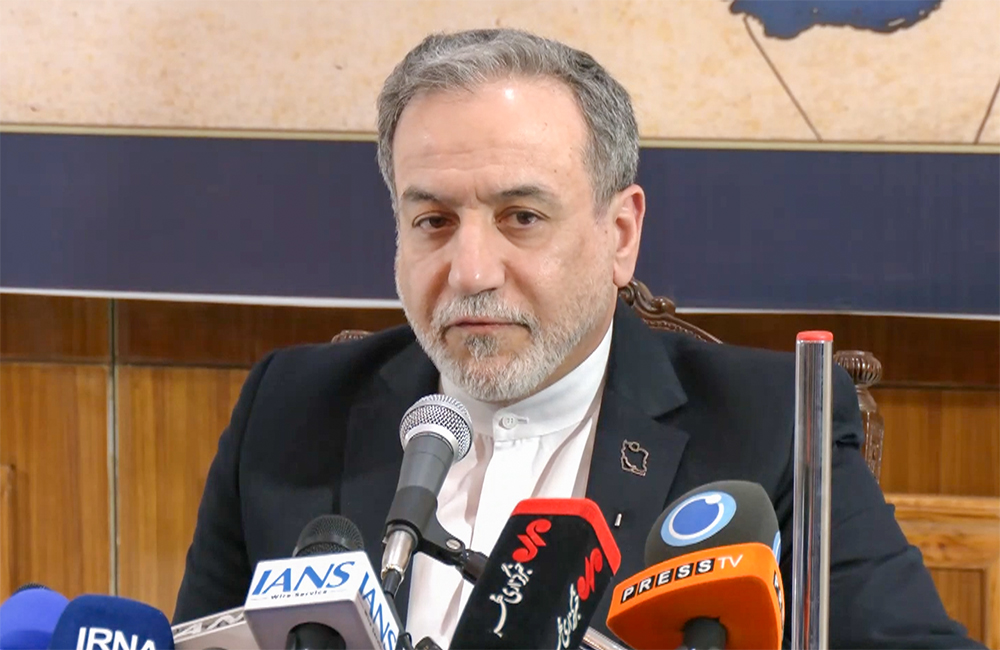
Foreign Minister Abbas Araghchi said Qatari mediators were expected to take ideas discussed with Iran back to the US, with Tehran hoping to receive Washington’s response on Tuesday.
“Qatari intermediaries presented ideas, and we discussed them,” Araghchi told Iranian state media after meeting the mediators in New York. He said the Qataris would raise the matter with the American side again before conveying the final response to Tehran.
Araghchi said Iran’s immediate focus was the Strait of Hormuz and stressed that reopening the strategic waterway would depend on conditions Tehran had communicated to the other side.
The Iranian foreign minister is in New York for the United Nations General Assembly and has been involved in indirect contacts with US officials through Qatari and Pakistani mediators.
The latest diplomatic effort follows an Iranian proposal that calls for steps including an end to the US naval blockade of Iranian ports, sanctions relief and the release of frozen Iranian funds, in exchange for reopening the Strait and moving towards broader negotiations.
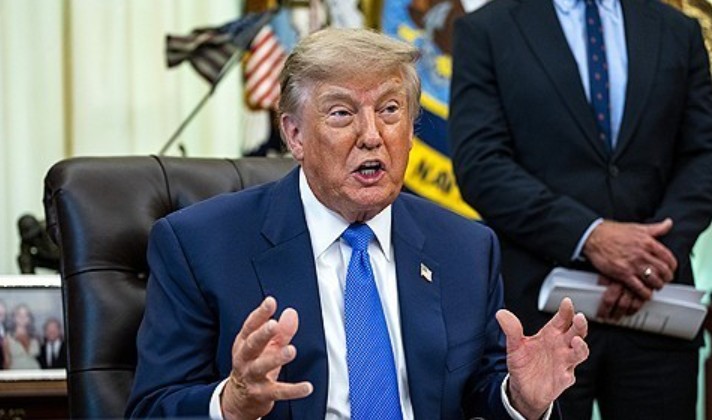
US President Donald Trump rejected an earlier version of Tehran’s proposal over the weekend, calling its conditions unacceptable.
On Monday, Trump also denied an Axios report that he was prepared to offer Iran sanctions relief and access to frozen funds in return for concrete steps on its nuclear programme.
“Axios just released a story that ‘Trump’ offered Sanctions Relief and Frozen Funds to Iran. This is untrue. I offered them NOTHING!” Trump wrote on Truth Social.
Axios, citing unnamed US officials, reported that Trump was willing to consider such measures in exchange for Iranian nuclear concessions. The report also said diplomatic efforts involving Qatari and Pakistani mediators were continuing.
The Strait of Hormuz remains central to the crisis because of its importance to global energy supplies. Before the conflict, the waterway carried roughly one-fifth of the world’s oil and liquefied natural gas supplies. Disruption to shipping through the strait has contributed to pressure on energy markets.
Araghchi said the channels between Tehran and Washington remained open and had become more serious following Iran’s latest proposal, although significant differences remain over the conditions for ending the conflict and addressing Iran’s nuclear programme.