US and Iran sign initial deal to halt hostilities, ease sanctions and reopen Strait of Hormuz, with a 60-day deadline set for a final nuclear agreement, reports Asian Lite News Desk
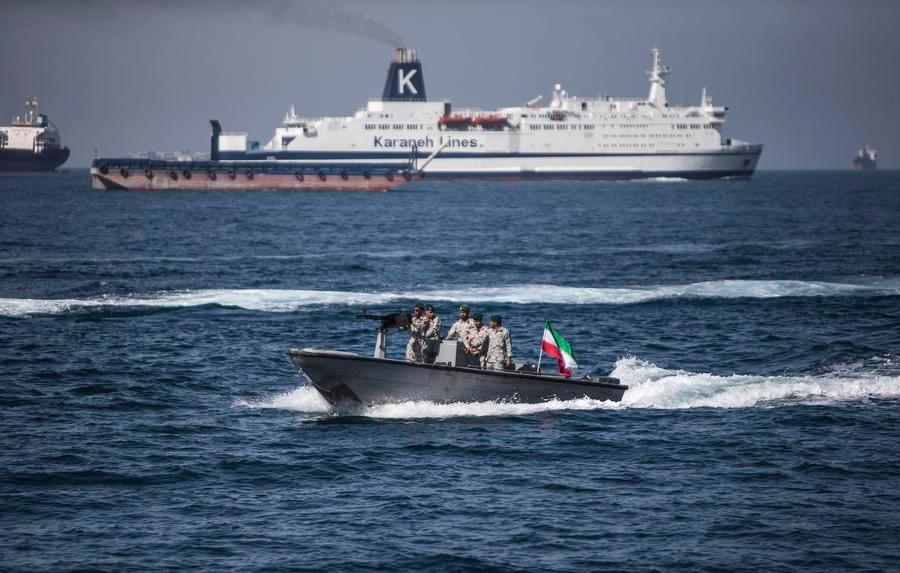
The United States and Iran have signed an initial agreement aimed at ending hostilities, easing sanctions and reopening the Strait of Hormuz, marking a significant diplomatic breakthrough amid ongoing nuclear negotiations.
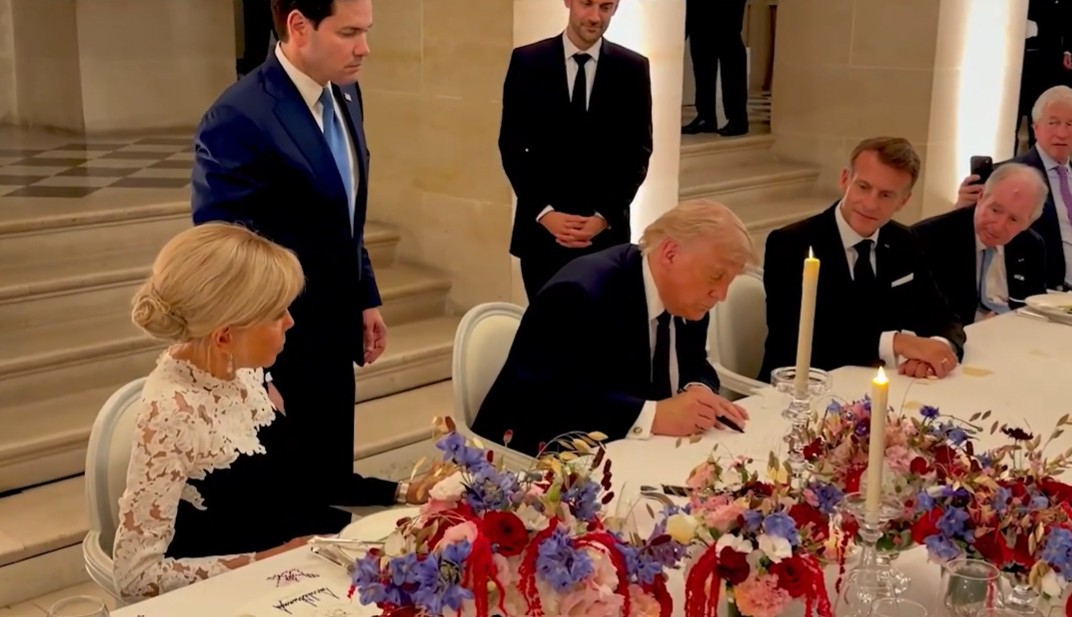
US President Donald Trump signed the agreement in Versailles, France, while Iranian President Masoud Pezeshkian signed separately in Tehran, according to Iranian state media. The deal, which both sides say takes immediate effect, outlines steps to de-escalate tensions while setting a 60-day deadline to negotiate a comprehensive settlement on Iran’s nuclear programme.

Under the terms disclosed so far, Iran is expected to dilute its stockpile of highly enriched uranium. In return, the United States will waive key sanctions, allowing Tehran to resume oil exports in what is seen as a major concession from Washington.
Pakistan’s Prime Minister Shehbaz Sharif, who acted as a mediator, confirmed the agreement and later added his signature. He described the deal as a commitment by both sides to pursue a diplomatic resolution and said it would lead to the reopening of the Strait of Hormuz and the lifting of a US naval blockade.
Despite the breakthrough, the agreement has been marked by confusion and limited transparency. US officials have yet to formally release the full text, instead briefing journalists on draft provisions. Iranian state media has published details that broadly align with the US position.
President Trump signed a physical copy of the agreement during a dinner with French President Emmanuel Macron at the Palace of Versailles, a venue associated with historic diplomatic settlements. Video footage showed Trump signing the document alongside senior officials, including Secretary of State Marco Rubio.

Speaking after the signing, Trump acknowledged the difficulty of the negotiations but left open the possibility of renewed military action if talks fail to progress.
The agreement comes after weeks of heightened tensions and conflict, and while it offers immediate economic relief to Iran, analysts note it extracts limited upfront concessions beyond the nuclear commitment.
A planned formal signing ceremony in Switzerland remains uncertain amid conflicting statements from Washington, Tehran and Islamabad.
Negotiations are expected to intensify over the coming weeks as both sides attempt to translate the initial framework into a lasting agreement addressing Iran’s nuclear ambitions and broader regional security concerns.