Iran reopens Hormuz for commercial shipping during ceasefire, easing global markets, but US blockade and unresolved negotiations keep tensions high across the vital energy corridor, reports Asian Lite Newsdesk
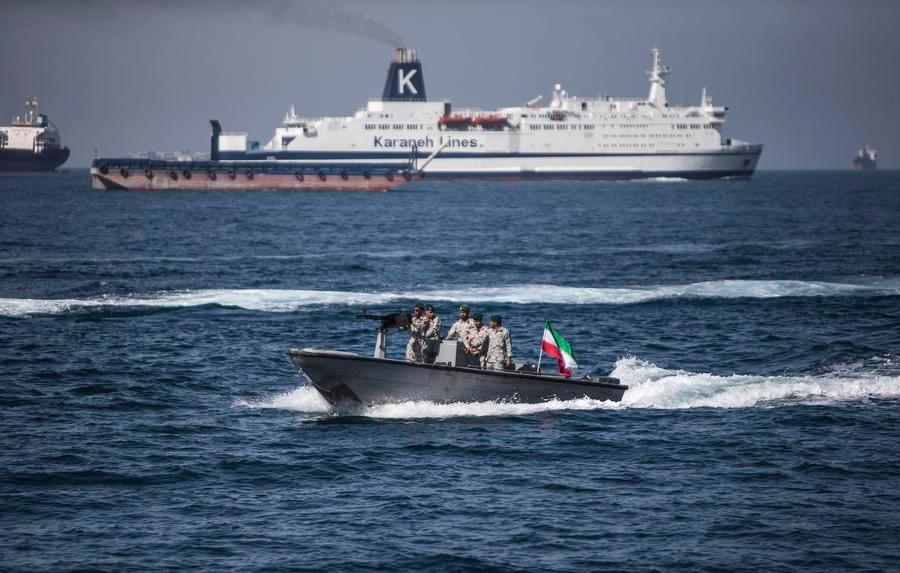
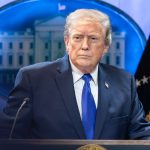
Iran has announced that the Strait of Hormuz will remain open to commercial shipping during the ongoing ceasefire, a move swiftly acknowledged by United States President Donald Trump, even as Washington continues to enforce a naval blockade on Iranian ports.
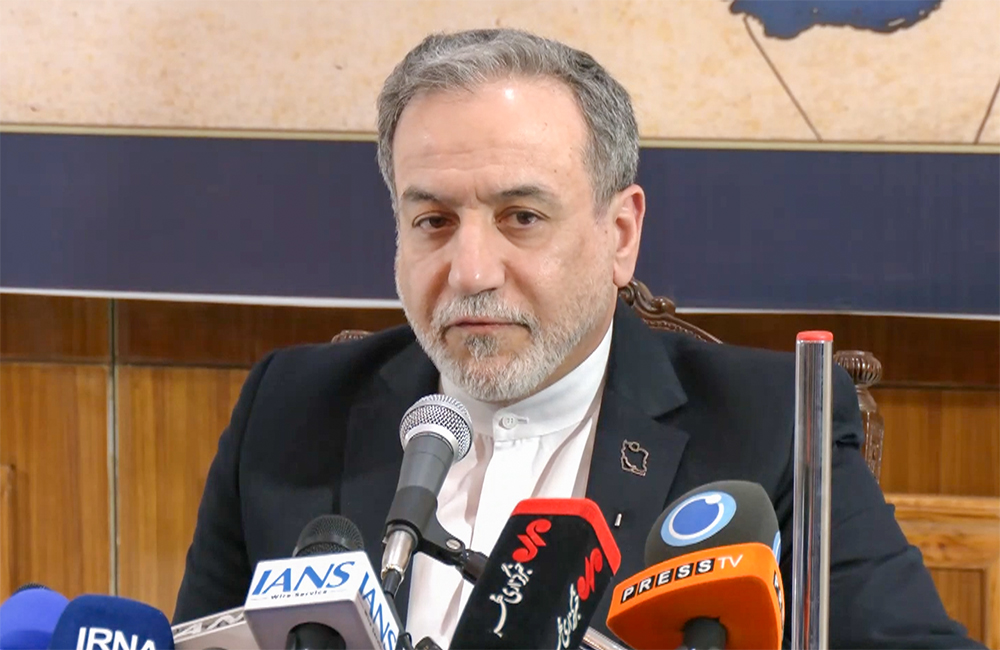
Iranian Foreign Minister Seyed Abbas Araghchi said the passage through the strategically critical waterway would be “completely open” for commercial vessels for the duration of the ceasefire. He linked the decision to the recently agreed 10-day truce between Israel and Lebanon, suggesting the reopening was part of broader de-escalation efforts in the region.
The Strait of Hormuz, a vital maritime chokepoint through which nearly 20 per cent of the world’s fossil fuel supply passes, had been effectively disrupted following the escalation of hostilities earlier this year. Its closure sent shockwaves through global energy markets, driving up prices and fuelling concerns over supply stability.
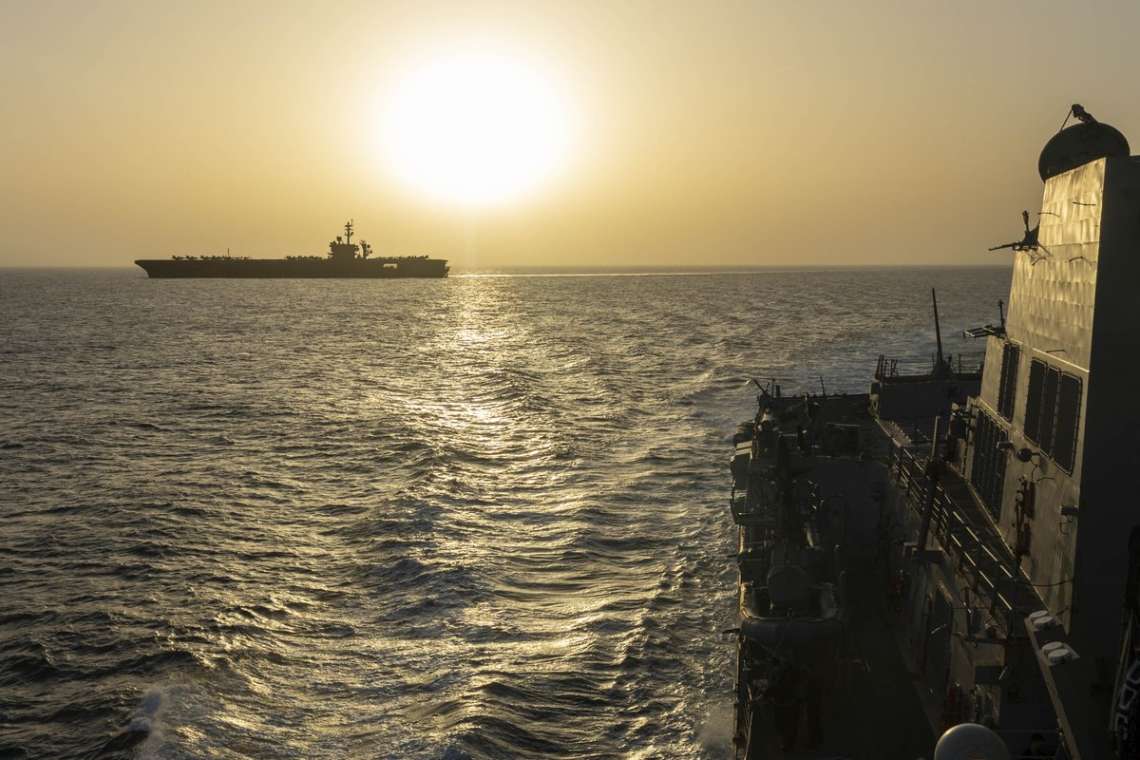
Trump responded to Iran’s announcement in a series of posts, welcoming the reopening with a brief message of thanks, though he referred to the waterway as the “Strait of Iran” in a notable departure from its established name. Despite the apparent breakthrough, he made clear that US pressure on Tehran would continue, stating that the naval blockade targeting Iranian ports would remain in place until a broader agreement between the two countries is fully concluded.
He indicated that negotiations were progressing, suggesting that most key points had already been agreed and that a final deal could be reached soon. However, no formal framework has yet been publicly confirmed, and significant ambiguities remain around the scope and duration of the current arrangements.
Iran’s statement did not clearly specify whether the reopening aligns solely with the Lebanon-Israel ceasefire or also applies to the separate ceasefire between Iran and the United States, which is expected to run for a longer duration. The lack of clarity has added to uncertainty in an already volatile geopolitical environment.
Araghchi also noted that vessels would be required to follow designated routes coordinated by Iran’s Ports and Maritime Organisation, indicating that while commercial traffic is permitted, strict controls will remain in place. The reference to “commercial vessels” has further suggested that military ships may not be allowed transit under the current arrangement.
The reopening of the strait has had an immediate impact on global markets. Oil prices fell sharply by around nine per cent in early trading in New York, while major stock indices, including the Dow Jones Industrial Average, registered gains as investor sentiment improved on signs of easing tensions.
Nevertheless, the broader situation remains fragile. The United States continues to maintain its blockade, and both sides have issued strong statements indicating that negotiations are ongoing but not yet finalised. The partial reopening of the strait, while significant, does not fully resolve concerns over long-term access to one of the world’s most critical energy corridors.