Iran signals imminent US deal that could reopen Strait of Hormuz, easing global energy concerns, but internal divisions, disputed terms and fragile ceasefire keep outcome uncertain, reports Asian Lite News Desk
A potential breakthrough in the prolonged confrontation between Iran and the United States could reopen one of the world’s most critical energy corridors, with Tehran indicating that a deal to end hostilities is close but not yet finalised.
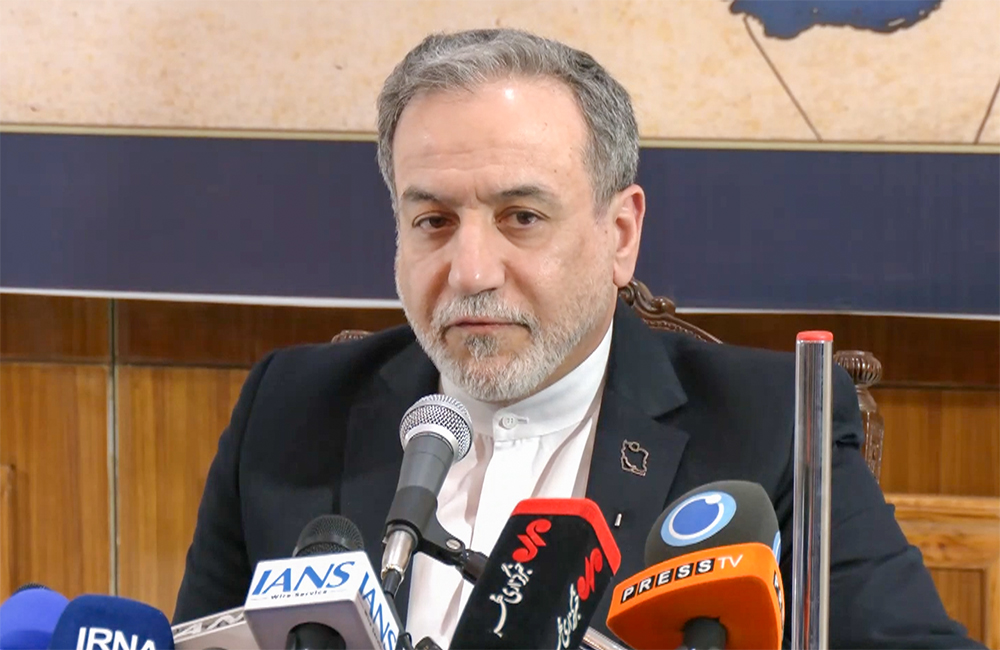
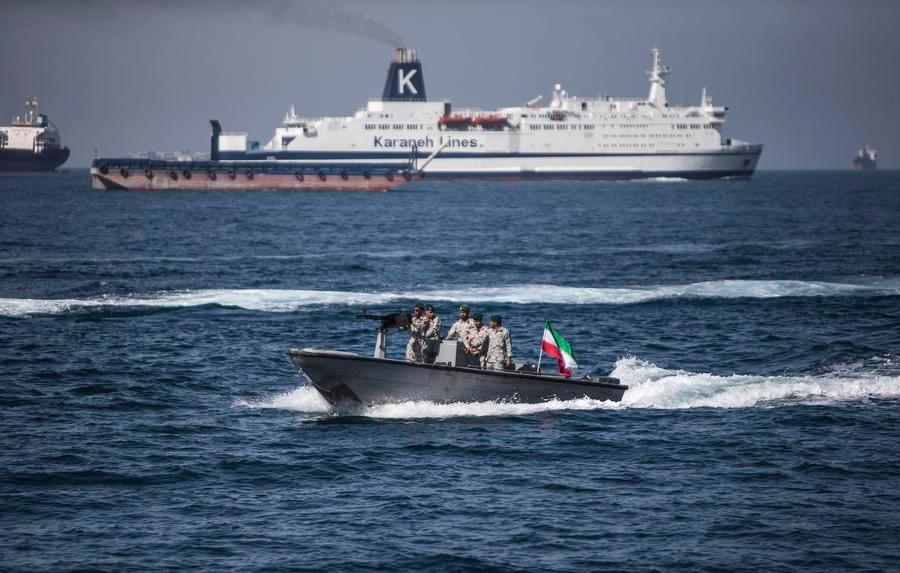
Iranian Foreign Minister Seyed Abbas Araghchi said a proposed agreement includes the reopening of the Strait of Hormuz, which has remained effectively shut amid escalating tensions. The narrow maritime passage is vital for global oil and liquefied natural gas shipments, and its disruption has fuelled volatility in international energy markets.
Araghchi told state television that the framework also provides for the lifting of what Iran describes as a US economic blockade. However, he indicated that more contentious issues, including Tehran’s nuclear programme, would be addressed in subsequent negotiations rather than forming part of the immediate agreement.
Officials in Washington have acknowledged elements of the emerging deal, while emphasising that any economic relief for Iran would depend on compliance with agreed commitments. The cautious tone reflects lingering mistrust after months of military escalation and diplomatic deadlock.
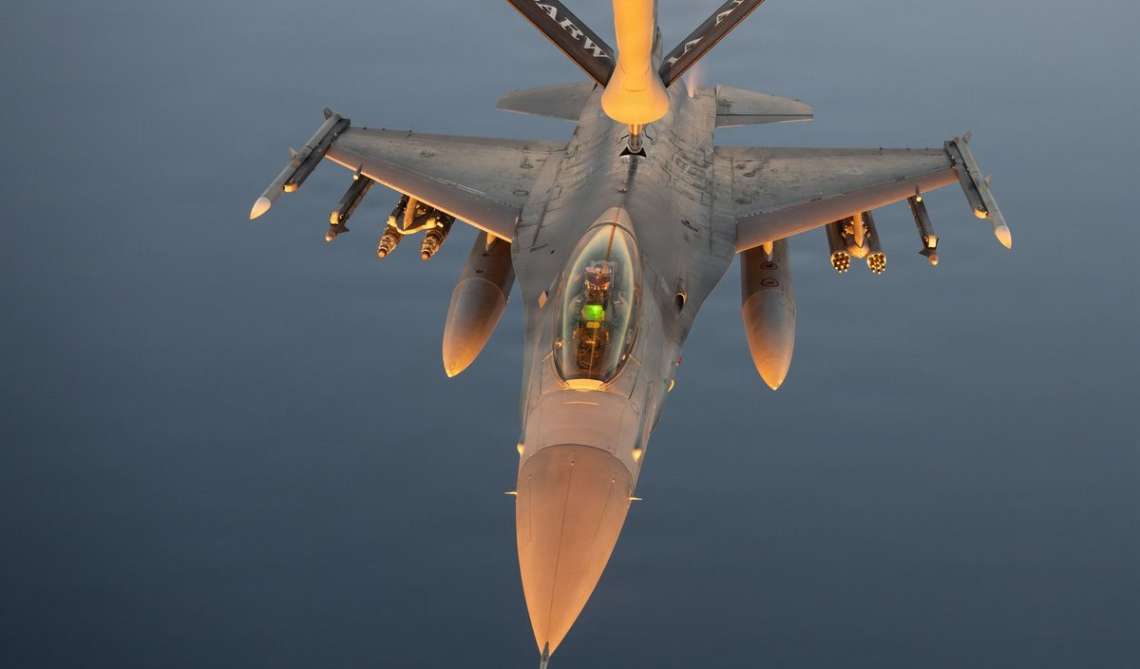
The conflict traces back to 28 February, when coordinated strikes by the United States and Israel targeted sites across Iran. Tehran responded with attacks on Israeli and US-aligned positions in the Gulf, alongside measures that curtailed shipping through the Strait of Hormuz. The disruption to maritime traffic heightened concerns over global energy security, given the route’s central role in transporting a significant share of the world’s hydrocarbons.
Although a ceasefire was agreed in April, it has proved fragile. Both sides have engaged in intermittent exchanges of fire, including tit-for-tat strikes reported earlier this week. The continued flare-ups have underscored the urgency of a more durable settlement.
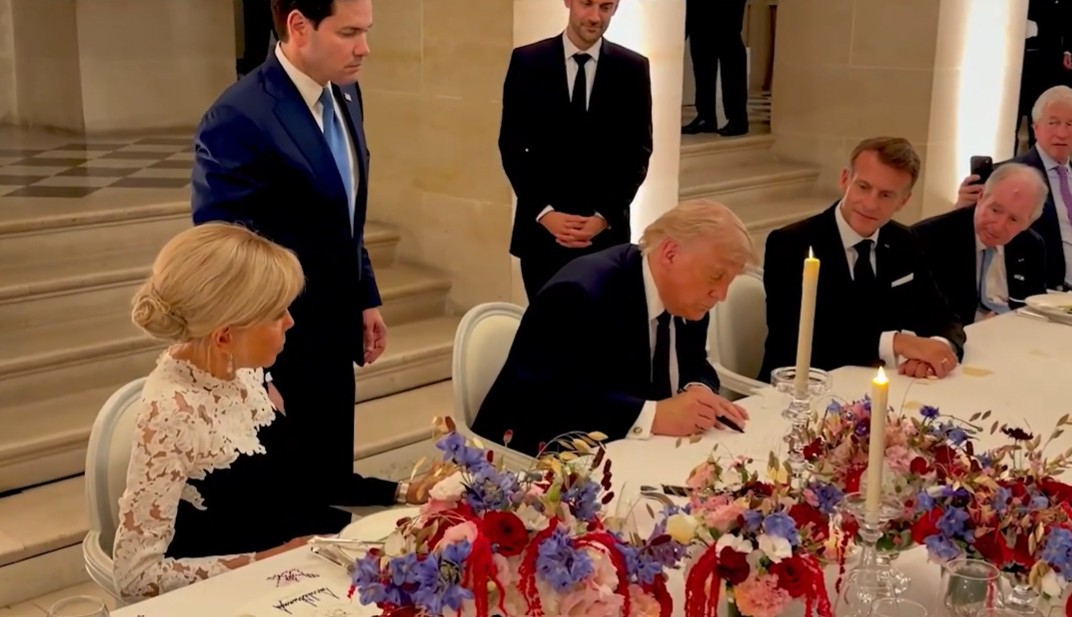
US President Donald Trump said he had cancelled planned military action against Iran after negotiators made significant progress towards what he described as a “great settlement”. He suggested that a formal agreement could be signed soon, raising expectations of a de-escalation.
However, confusion over the details has persisted. Iranian media reported aspects of a 14-point agreement, but Trump publicly dismissed those claims, stating that the reported terms bore no resemblance to the actual negotiations. The conflicting narratives have highlighted the sensitivity and complexity of the talks.
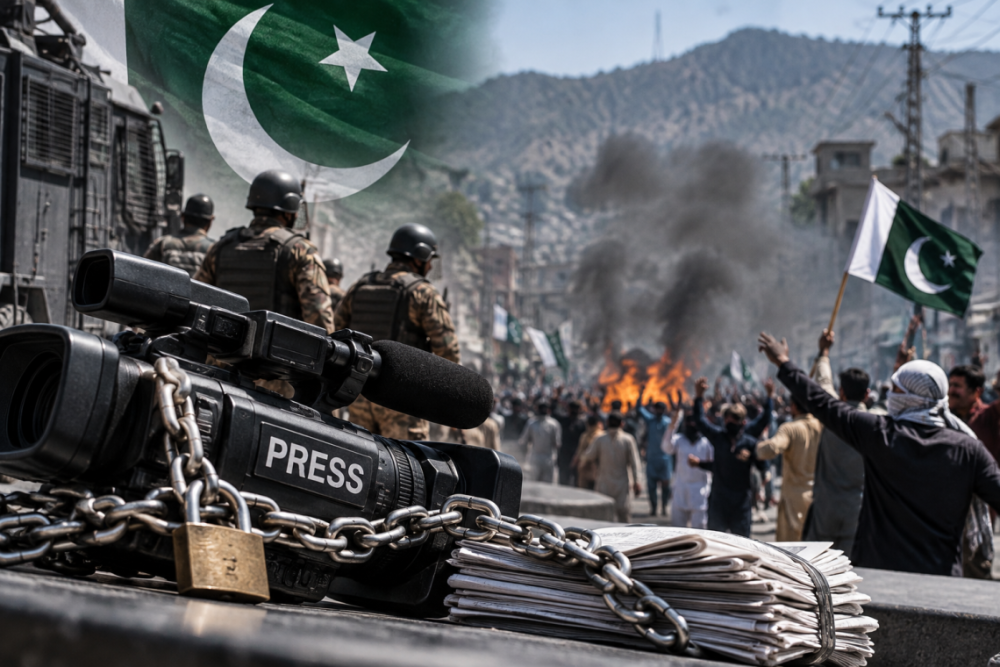
Diplomatic mediation has played a key role in advancing discussions. Shehbaz Sharif said a Memorandum of Understanding between the United States and Iran had been agreed in principle and was awaiting finalisation. Pakistan’s involvement reflects broader regional concerns about stability and the economic impact of prolonged conflict.
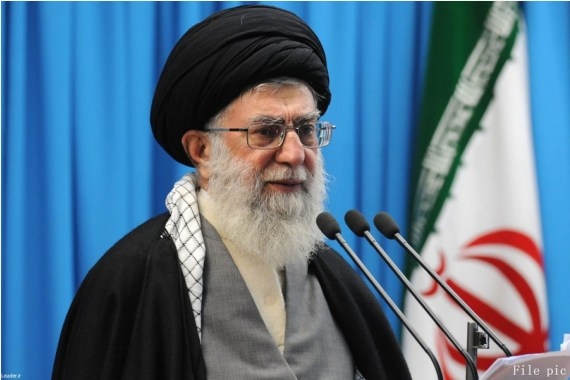
Within Iran, the proposed deal remains under scrutiny. Araghchi acknowledged divisions within the country’s top decision-making body, the Supreme National Security Council, noting that both supporters and opponents are weighing the terms. He said no collective decision had yet been reached and that approval would be required before any agreement could be formally signed, potentially through a remote process.
Notably, Israel is not part of the current negotiations, which are focused on extending the ceasefire and creating space for broader dialogue. Future talks are expected to address Iran’s nuclear programme, an issue that has been at the centre of tensions with Western powers for decades. Tehran has consistently denied seeking nuclear weapons, maintaining that its programme is intended for civilian energy generation and scientific research.